
Reputation Management SEO: Boost Your Online Image

Reputation Management SEO is the strategic and ongoing process of influencing the online perception of an individual, brand, or product within search engine results to ensure positive, accurate, and relevant information ranks prominently, thereby directly impacting trust and conversion rates by an estimated 87% in consumer purchasing decisions in 2026. This specialized discipline integrates traditional search engine optimization techniques with public relations and online reputation management to proactively build, protect, and restore a favorable digital image, which is paramount in today's AI-driven information landscape where search algorithms increasingly synthesize publicly available data.
Key Takeaways
- Reputation Management SEO proactively shapes how an entity is perceived online, directly influencing trust and conversion through strategic search engine optimization.
- A robust strategy combines continuous monitoring, proactive content creation, optimized online profiles, and effective crisis management to maintain a positive digital footprint.
- Proactive content strategies, including authoritative blogging and owned digital assets, are fundamental for dominating search results with positive narratives and expertise.
- Addressing negative search results involves distinct tactics of suppression (pushing down unwanted content with new, positive material) and, in specific cases, removal (legally or directly requesting content takedowns).
- Leveraging positive reviews and social proof is critical; these elements serve as powerful trust signals for both search engines and potential customers, requiring active engagement and response.
- Consistent measurement of SERP sentiment, brand mentions, and review scores is essential for continuous optimization, ensuring the strategy remains effective and responsive to changes.
What is Reputation Management SEO and Why is it Critical in 2026?
Reputation Management SEO is the systematic approach to controlling and improving the online narrative surrounding a brand, individual, or product by optimizing search engine results pages (SERPs) to display favorable information prominently and suppress detrimental content. This practice is critical in 2026 because the digital landscape is increasingly influenced by AI-driven search algorithms and generative AI models, which synthesize vast amounts of online data to form their understanding and present information, making a positive and controlled digital footprint indispensable for trust, credibility, and business success. A strong online reputation directly correlates with customer acquisition, investor confidence, and talent recruitment, with negative search results capable of deterring up to 70% of potential customers.
The internet functions as the primary source of information for consumers, clients, and partners. When someone searches for your brand or name, the first page of results forms their initial impression, which is often the lasting impression. Reputation Management SEO ensures that this impression is overwhelmingly positive and accurate.
Defining Key Concepts in Reputation Management SEO
To fully grasp the scope of this discipline, understanding its core terminology is essential.
- Reputation Management SEO is the strategic blend of search engine optimization and online reputation management techniques designed to control the narrative presented in search results for specific entities.
- Digital Footprint refers to the trail of data left by an individual or organization's online activities, including websites, social media profiles, reviews, news articles, and forum discussions.
- Search Engine Results Page (SERP) Suppression is the tactic of pushing down negative or undesirable search results by strategically creating and promoting a large volume of positive, optimized content.
- Online Sentiment Analysis is the process of computationally identifying and categorizing opinions expressed in a piece of text to determine whether the writer's attitude towards a particular topic is positive, negative, or neutral.
The Evolving Importance of Online Reputation in 2026
The significance of a well-managed online reputation has escalated dramatically, particularly with advancements in artificial intelligence and its integration into search and information retrieval.
- AI-Driven Information Synthesis: Generative AI models like ChatGPT and Gemini often draw upon the top search results to formulate their answers. If negative or inaccurate information dominates your SERPs, AI models will likely incorporate this into their responses, amplifying its reach and impact.
- Increased Consumer Scrutiny: Consumers are more informed and discerning than ever. Before making a purchase or engaging with a service, 93% of consumers check online reviews and search results. A single negative article or a cluster of poor reviews can erode trust instantly.
- Competitive Differentiation: In crowded markets, a pristine online reputation can be a significant differentiator. It signals reliability, quality, and trustworthiness, providing a competitive edge over rivals with less controlled digital narratives.
- Brand Resilience: Proactive reputation management builds resilience against potential crises. By establishing a strong foundation of positive content, a brand is better equipped to weather negative events, as the positive assets will naturally dilute the impact of any single negative piece.
Understanding how your brand appears on Google is the first step. Use the SERP Preview tool to visualize your search result snippets and ensure they convey the intended message. This immediate visual feedback is crucial for strategic adjustments.
The Core Pillars of a Robust Reputation Management SEO Strategy
A robust Reputation Management SEO strategy is built upon four interconnected pillars: continuous monitoring, proactive content creation, strategic off-page optimization, and effective crisis management, each working in concert to shape and protect an entity's online image. Implementing these pillars ensures that a brand maintains control over its digital narrative, builds trust, and mitigates potential damage from negative information.
Ignoring any of these pillars leaves significant vulnerabilities in an organization's online defense. A comprehensive strategy integrates these elements into a cohesive plan.
Pillar 1: Continuous Monitoring and Alert Systems
Effective reputation management begins with vigilant monitoring of all online mentions. This involves tracking what is being said about your brand, products, services, or individuals across various platforms.
- Brand Mentions: Track mentions on news sites, blogs, forums, and social media. Tools like Google Alerts, Brand24, or Awario provide real-time notifications.
- Review Sites: Monitor platforms like Google My Business, Yelp, TripAdvisor, and industry-specific review sites. These are direct sources of consumer feedback and highly influential for local SEO.
- Social Media Channels: Keep an eye on conversations on Facebook, X (formerly Twitter), LinkedIn, Instagram, and other relevant platforms. Social media often serves as the first point of contact for public sentiment shifts.
- Search Engine Results Pages (SERPs): Regularly perform branded searches for your company name, key personnel, and product names. Analyze the first few pages of results to identify any emerging negative content or opportunities for improvement.
Setting up automated alerts ensures that you are immediately aware of new content, both positive and negative, allowing for rapid response.
Pillar 2: Proactive Content Creation and Optimization
The most effective way to control your online narrative is to create it. Proactive content creation involves publishing a steady stream of high-quality, optimized content that highlights your strengths, expertise, and positive attributes.
- Owned Assets: Develop and optimize your official website, blog, and social media profiles. These are platforms you fully control, allowing you to shape your message precisely.
- Thought Leadership: Publish articles, whitepapers, case studies, and expert commentary that establish your authority and positive contributions to your industry. This content should be SEO-optimized to rank for relevant keywords.
- Positive News & PR: Generate positive media coverage through press releases, media outreach, and partnerships. Ensure these stories are distributed widely and linked back to your owned properties.
- Personal Branding: For individuals, actively manage LinkedIn profiles, personal websites, and professional portfolios. These assets are crucial for professional reputation.
By consistently producing valuable content, you naturally push down less desirable results and fill the SERPs with your chosen narrative.
Pillar 3: Strategic Off-Page Optimization and Link Building
Off-page SEO factors significantly influence how search engines perceive the authority and relevance of your online assets. This extends beyond your owned properties to external signals.
- High-Quality Backlinks: Secure backlinks from authoritative and relevant websites. These links act as "votes of confidence" for search engines, boosting the ranking potential of your positive content.
- Online Reviews & Testimonials: Actively solicit and manage positive reviews on key platforms. Reviews are powerful trust signals for both users and search algorithms.
- Social Media Engagement: While social signals are not direct ranking factors, an active and engaged social media presence can increase brand visibility, drive traffic to positive content, and generate valuable mentions.
- Directory Listings: Ensure consistent and accurate listings across relevant online directories, especially for local businesses.
The goal is to build a strong, credible web presence that search engines recognize as trustworthy and authoritative.
Pillar 4: Crisis Management and Negative Content Mitigation
Despite proactive efforts, negative content can emerge. Effective crisis management focuses on mitigating damage and restoring reputation.
- Rapid Response: Address negative mentions quickly and professionally. Acknowledge concerns, offer solutions, and move conversations offline when appropriate.
- SERP Suppression: If content cannot be removed, the strategy shifts to suppression. This involves creating and optimizing a large volume of new, positive, and relevant content to push negative results off the first page of search results.
- Legal & Direct Removal: In specific cases (e.g., defamation, privacy violations, outdated content), legal avenues or direct requests to website owners or Google may lead to content removal. This is often a last resort and requires careful consideration.
- Learning and Adaptation: Analyze the root cause of negative sentiment and adapt internal processes or communication strategies to prevent recurrence.
A well-executed crisis management plan minimizes the long-term impact of negative events on your brand's reputation.
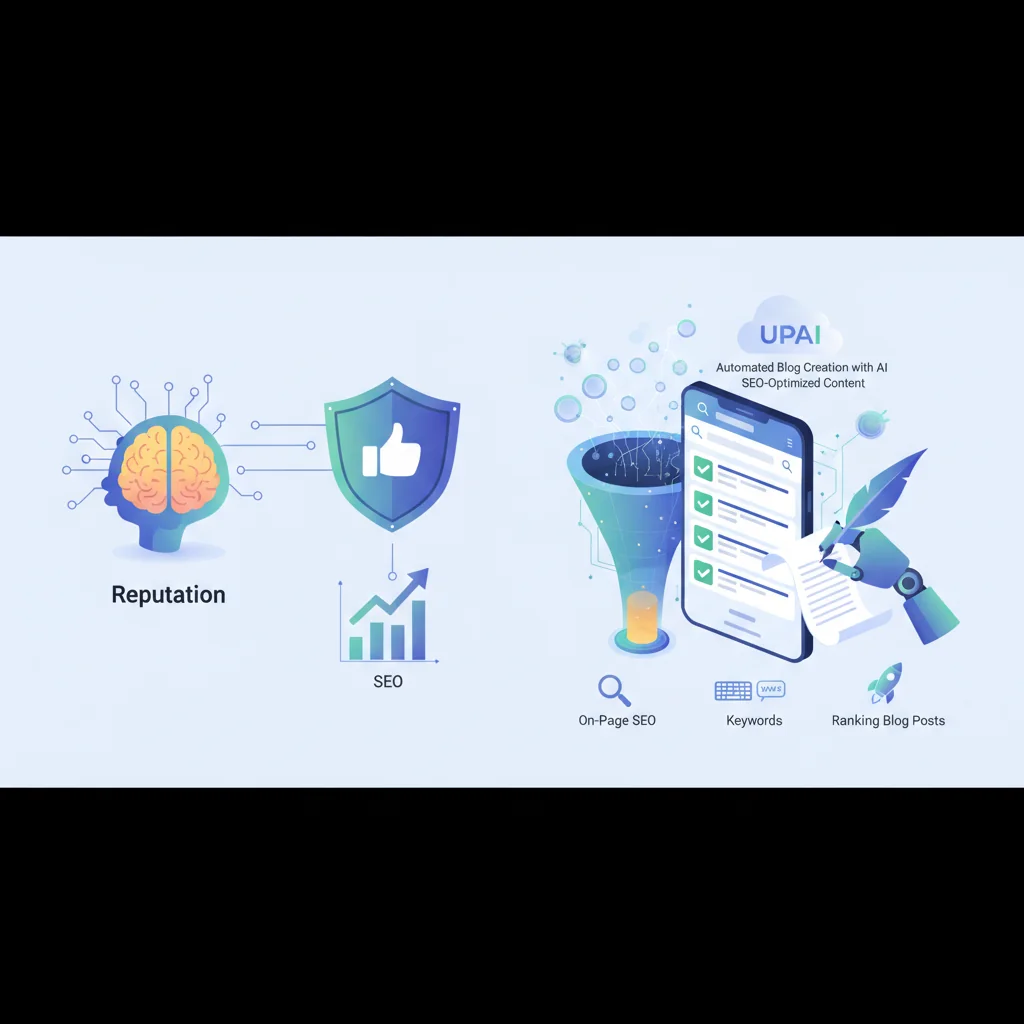
Proactive Content Strategies for Building a Positive Digital Footprint
Proactive content strategies are fundamental to Reputation Management SEO, focusing on the consistent creation and distribution of high-quality, optimized content that builds a positive digital footprint and dominates search results for branded queries. This approach ensures that when stakeholders search for your entity, they encounter a wealth of favorable and authoritative information, effectively shaping their perception before any negative narratives can take hold.
By controlling the narrative through owned media, brands establish themselves as reliable sources of information and expertise, which is highly valued by search engines and users alike.
Creating and Optimizing Owned Digital Assets
Your owned digital assets are the cornerstone of your online reputation. These are the platforms you control entirely, allowing for precise messaging and optimization.
- Official Website: Your website is your primary digital hub. Ensure it is professionally designed, user-friendly, mobile-responsive, and contains comprehensive, accurate information about your brand, products, and services. Optimize all pages for relevant keywords, including branded terms.
- Brand Blog: A blog is an invaluable tool for thought leadership and SEO. Regularly publish high-quality articles that address industry topics, demonstrate expertise, provide value to your audience, and organically incorporate your brand's narrative. Use the Readability tool to ensure your blog content is accessible and engaging for your target audience.
- Social Media Profiles: Establish and actively manage profiles on all relevant social media platforms. Ensure consistent branding, provide complete information, and engage with your audience. These profiles often rank high in branded searches.
- Executive/Team Profiles: For key personnel, create and optimize professional profiles on platforms like LinkedIn. These profiles should reflect the company's values and expertise.
Each of these assets should be interlinked and optimized to reinforce your brand's authority and ensure consistency in messaging.
Blogging for Reputation and Thought Leadership
Blogging is not just for driving traffic; it's a powerful reputation management tool. Consistent, high-quality blogging positions your brand as an industry leader and a trusted source of information.
- Expertise & Authority: Publish in-depth articles, guides, and analyses that showcase your deep knowledge and unique insights. This builds credibility and positions you as an expert in your field.
- Addressing FAQs & Concerns: Proactively address common questions, industry misconceptions, or potential concerns about your products/services. This transparency builds trust and can pre-empt negative narratives.
- Showcasing Values & Culture: Use your blog to share company news, community involvement, employee spotlights, and your brand's core values. This humanizes your brand and fosters positive sentiment.
- SEO Optimization: Ensure all blog posts are optimized for relevant keywords, including long-tail variations related to your brand's niche. This increases their visibility in search results. Use the Keyword Density tool to ensure optimal keyword usage without over-stuffing.
- Engagement & Community Building: Encourage comments and discussions on your blog posts. Responding to comments demonstrates engagement and builds a loyal community around your brand.
Regularly generating valuable content ensures that search engines have ample positive material to index and rank.
Strategic Guest Posting and Press Releases
Extending your content reach beyond your owned properties amplifies your reputation management efforts.
- Guest Posting: Contribute high-quality articles to reputable industry blogs and news sites. This not only provides valuable backlinks to your owned assets but also positions your brand as an authority in front of new audiences. Choose publications with strong domain authority and relevance.
- Press Releases: Use press releases to announce significant company news, product launches, partnerships, or philanthropic initiatives. Distribute them through reputable wire services to maximize reach and potential for media pickup. Ensure press releases are optimized with relevant keywords and link back to your website.
- Media Outreach: Cultivate relationships with journalists and media outlets. Offer yourself or your executives as expert sources for industry stories. Positive media coverage from trusted sources significantly boosts reputation and search visibility.
When crafting headlines for all your content, whether on your blog or for external publications, use the Headline Analyzer to ensure they are compelling and SEO-friendly, maximizing click-through rates and overall content performance.
Addressing Negative Search Results: Suppression vs. Removal
Addressing negative search results effectively requires a clear understanding of the distinction between suppression and removal, as each tactic employs different strategies and carries distinct implications for your reputation management efforts. While removal aims to eliminate undesirable content from the internet entirely, suppression focuses on pushing negative results lower in SERPs by strategically outranking them with positive, optimized content, ensuring that the most visible information about your brand remains favorable.
The choice between suppression and removal depends on various factors, including the nature of the content, its legality, and the feasibility of achieving either outcome.
Understanding SERP Suppression Tactics
SERP suppression is a long-term, proactive strategy that leverages SEO principles to dilute the visibility of negative content. It is often the most practical and sustainable approach when outright removal is not possible or advisable.
The core idea behind suppression is to flood the first few pages of search results with positive, authoritative content that you control or influence, effectively pushing the negative content onto subsequent pages where it is less likely to be seen.
Key tactics for effective SERP suppression include:
- High-Volume Content Creation: Continuously publish new, high-quality content across your owned properties (website, blog, social media) and reputable third-party sites (guest posts, press releases). This content must be highly optimized for your branded keywords and related positive terms.
- Optimizing Existing Positive Assets: Ensure all your existing positive content (e.g., "About Us" pages, product pages, positive reviews, media mentions) is fully optimized for search engines. This includes on-page SEO elements, internal linking, and mobile responsiveness. Use the SEO Checker to analyze and improve the SEO performance of your key pages.
- Strategic Internal Linking: Link extensively from your most authoritative pages to other positive content on your site. This passes "link juice" and boosts the ranking potential of your preferred pages.
- Building Authoritative Backlinks: Secure high-quality backlinks to your positive content from reputable external websites. These links signal to search engines that your content is trustworthy and relevant, helping it to outrank negative results.
- Leveraging Social Media: Maintain active and optimized social media profiles. These often rank highly for branded searches and can serve as additional positive assets. Share your positive content frequently to increase its visibility and engagement.
- Creating Niche Content: If the negative content is specific (e.g., related to a particular product or event), create a series of positive, informative articles that directly address that niche, providing a balanced or alternative perspective.
Suppression requires patience and consistent effort, but it builds a robust, positive digital presence that is resilient to future negative content.
Understanding Content Removal Strategies
Content removal is the ideal solution for truly damaging or inaccurate information, but it is often more challenging to achieve. Removal means the content is no longer accessible on the internet, or at least no longer indexed by search engines.
Approaches to content removal include:
- Direct Contact with Webmaster/Publisher: The first step is often to politely request the removal of the content from the website owner or publisher. Provide a clear, concise explanation of why the content is inaccurate, outdated, or harmful, and offer supporting evidence. Be prepared for resistance.
- Legal Action: If the content is defamatory, libelous, infringes on copyright, or violates privacy laws, legal action may be an option. A "cease and desist" letter from an attorney can sometimes be sufficient. This is a costly and time-consuming route, best reserved for severe cases.
- Google's Removal Policies: Google has specific policies for removing certain types of content from its search results. This includes personal identifying information (e.g., bank account numbers), doxing content, non-consensual explicit imagery, and certain types of spam. Google does not typically remove content simply because it is negative or critical, unless it violates their specific guidelines. Even if Google de-indexes content, it may still exist on the original website.
- Outdated Content Removal Request: For content that is no longer available on the original website but still appears in Google's cache or search results, you can submit an outdated content removal request through Google Search Console. This only works if the original page has been removed or significantly altered.
- Platform-Specific Reporting: For content on social media or review platforms, utilize their built-in reporting mechanisms if the content violates their terms of service (e.g., hate speech, harassment, fake reviews).
Removal is often difficult and not always guaranteed, making suppression a more frequently employed tactic.
Comparison: Suppression vs. Removal
Understanding when to apply each strategy is key to effective reputation management.
| Feature | Content Suppression | Content Removal |
|---|---|---|
| Goal | Push negative content off visible SERP pages (e.g., page 1) | Eliminate content from the internet or search index entirely |
| Method | Create and rank more positive, optimized content | Legal action, direct contact, platform reporting, Google requests |
| Feasibility | Generally high (requires consistent effort) | Often low (depends on content type, legality, platform policies) |
| Cost | Ongoing content creation, SEO investment | Potentially high (legal fees, agency fees) |
| Speed | Gradual, long-term process | Can be immediate if successful, but often lengthy or impossible |
| Control | High (control over new content) | Low (reliant on third parties) |
| Risk | Low risk, focuses on positive growth | Can escalate situations, draw attention to content if unsuccessful |
| Best For | Negative opinions, critical reviews, old but non-illegal content | Defamatory, illegal, privacy-violating, or factually incorrect content |
In many cases, a hybrid approach is most effective, attempting removal where possible and simultaneously implementing suppression tactics to manage visibility regardless of removal success.
Leveraging Reviews and Social Proof for Enhanced Reputation SEO
Leveraging positive reviews and social proof is an indispensable component of enhanced Reputation Management SEO, as these elements serve as powerful trust signals for both search engine algorithms and prospective customers, directly influencing local search rankings and conversion rates. Actively soliciting, managing, and responding to reviews across various platforms not only improves your search visibility but also builds credibility and fosters a loyal customer base.
In 2026, the volume and sentiment of online reviews are more critical than ever, with consumers often making purchasing decisions based almost entirely on peer feedback.
The Impact of Online Reviews on SEO and Trust
Online reviews are far more than mere testimonials; they are a critical ranking factor and a direct reflection of customer satisfaction.
- Local SEO Dominance: For local businesses, Google My Business reviews are paramount. A higher quantity of positive reviews and a strong average rating significantly boost local pack rankings. Search engines interpret reviews as a strong signal of local relevance and quality.
- Enhanced Click-Through Rates (CTR): Star ratings displayed in SERPs (often through schema markup) make your listings stand out, encouraging more users to click on your website. This improved CTR can indirectly boost your rankings.
- Trust and Credibility: Consumers trust peer reviews more than traditional advertising. A business with a strong collection of positive reviews is perceived as more reliable and trustworthy, directly impacting conversion rates.
- Content Generation: Reviews often contain valuable keywords and phrases that real customers use, enriching your brand's overall digital footprint and providing insights for content creation.
Neglecting your online reviews is akin to ignoring a primary source of customer feedback and a key SEO advantage.
Strategies for Acquiring and Managing Positive Reviews
Proactively managing reviews involves a systematic approach to encourage positive feedback and handle negative comments constructively.
-
Ask for Reviews: Do not wait for customers to leave reviews spontaneously. Implement strategies to actively solicit them:
- Send follow-up emails post-purchase or service completion with direct links to review platforms.
- Place clear calls to action on your website and in-store signage.
- Train staff to politely ask satisfied customers for reviews.
- Simplify the Process: Make it as easy as possible for customers to leave reviews. Provide direct links to Google My Business, Yelp, or other relevant industry platforms.
- Diversify Review Platforms: Encourage reviews across multiple platforms relevant to your industry, not just Google. This broadens your social proof and caters to different customer preferences.
- Monitor All Platforms: Regularly check all review sites using monitoring tools. Timely responses are crucial.
-
Respond to ALL Reviews (Positive & Negative):
- Positive Reviews: Thank customers for their feedback, personalize the response, and briefly mention what you appreciate about their comments. This shows appreciation and encourages more reviews.
- Negative Reviews: Respond promptly, professionally, and empathetically. Acknowledge the issue, apologize if appropriate, offer a solution, and invite them to discuss offline. A well-handled negative review can turn a dissatisfied customer into a loyal one and demonstrate excellent customer service to potential customers.
- Leverage Review Schema: Implement FAQ Schema (though specific review schema is also important) or review schema markup on your product and service pages. This allows star ratings and review counts to appear directly in search results, enhancing visibility and CTR.
- Showcase Testimonials: Feature positive testimonials and case studies prominently on your website and marketing materials.
A consistent and thoughtful review management strategy directly enhances your SEO and strengthens your brand's reputation.
The Role of Social Media in Reputation and Social Proof
Social media platforms are integral to building social proof and managing brand perception.
- Active Presence: Maintain active and engaging profiles on platforms where your target audience spends time. Consistent posting and interaction build community and demonstrate brand vitality.
- Customer Service Channel: Social media is often the first place customers go with questions or complaints. Rapid, helpful responses here can prevent small issues from escalating into public relations crises.
- Amplifying Positive Content: Share positive reviews, testimonials, and user-generated content across your social channels. This amplifies social proof and showcases customer satisfaction.
- Influencer Marketing: Collaborating with relevant influencers can generate positive mentions and endorsements, reaching new audiences and bolstering your brand's credibility.
- Social Listening: Use social listening tools to monitor brand mentions and sentiment. This allows you to identify trends, address issues proactively, and engage with your audience in real-time.
A cohesive strategy that integrates social media with your overall SEO and content efforts creates a powerful, positive online presence.
Measuring Success and Continuous Optimization in Reputation Management SEO
Measuring success in Reputation Management SEO involves tracking key metrics such as SERP sentiment, brand mentions, review scores, and traffic to positive assets, which provides quantifiable data to demonstrate the effectiveness of ongoing strategies. Continuous optimization is then the iterative process of analyzing these metrics, identifying areas for improvement, and adjusting tactics to maintain and enhance a favorable online reputation in response to dynamic search engine algorithms and public sentiment.
Without robust measurement and a commitment to ongoing refinement, reputation management efforts risk becoming stagnant or misdirected, failing to adapt to new challenges or opportunities.
Key Metrics for Reputation Management SEO
To effectively gauge the impact of your reputation management efforts, focus on these critical performance indicators:
-
SERP Sentiment and Dominance:
- Percentage of Positive/Neutral Results on Page 1: Track the ratio of positive or neutral search results compared to negative ones for your branded queries. The goal is to have 90-100% positive/neutral results on the first page.
- Number of Owned/Controlled Assets on Page 1: Monitor how many of your official websites, blogs, social profiles, and positive press mentions rank on the first page. More controlled assets mean greater narrative control.
- Visibility of Negative Content: Track the average SERP position of any identified negative content. A successful suppression strategy will push these results beyond page 3.
-
Brand Mentions and Sentiment Analysis:
- Volume of Brand Mentions: Track the total number of times your brand or key personnel are mentioned across the web. An increase in mentions, especially positive ones, indicates growing brand awareness.
- Sentiment Score: Utilize sentiment analysis tools to categorize mentions as positive, neutral, or negative. Monitor trends in sentiment over time.
- Source Authority: Assess the authority and credibility of websites mentioning your brand. Mentions on high-authority sites carry more weight.
-
Online Review Metrics:
- Average Star Rating: Monitor your average star rating across all key review platforms (Google, Yelp, industry-specific sites). Aim for 4.5 stars or higher.
- Number of Reviews: Track the total volume of reviews. A consistent flow of new reviews is a strong signal of an active business and satisfied customers.
- Review Velocity: Measure how frequently new reviews are posted. A steady pace is more beneficial than infrequent bursts.
- Response Rate and Time: Track how quickly and consistently you respond to both positive and negative reviews. A high response rate demonstrates engagement and care.
-
Website Traffic and Engagement:
- Direct Traffic: An increase in direct traffic to your website indicates growing brand recognition and trust.
- Branded Search Volume: Monitor the number of searches for your brand name or related terms. This reflects overall brand interest.
- Engagement Metrics on Positive Assets: Track time on page, bounce rate, and social shares for your positive content. High engagement signals relevance and value.
Regularly compiling and analyzing these metrics provides a clear picture of your reputation management performance.
Tools for Monitoring and Analysis
A variety of tools can assist in tracking these metrics efficiently:
- Google Search Console: Essential for monitoring branded search performance, identifying indexing issues, and submitting content for re-indexing.
- Google Analytics: Provides insights into website traffic, user behavior on your positive assets, and conversion rates.
- Google Alerts: Simple and free for basic brand mention monitoring.
- Social Listening Tools (e.g., Brand24, Awario, Sprout Social): Offer comprehensive monitoring of brand mentions, sentiment, and trending topics across social media and the broader web.
- Review Management Platforms (e.g., Birdeye, Reputation.com): Centralize review monitoring, response management, and reporting across multiple platforms.
- SEO Tools (e.g., Semrush, Ahrefs, Moz): Useful for tracking keyword rankings, backlink profiles, and competitor analysis, all of which inform suppression strategies.
For a deep dive into your page's technical SEO and content quality, use the SEO Checker and the Keyword Density tool to ensure your positive assets are fully optimized to outrank negative content.
The Iterative Process of Continuous Optimization
Reputation Management SEO is not a one-time project; it is an ongoing, iterative process that requires constant attention and adaptation.
- Analyze Performance: Regularly review your key metrics. Identify successes, areas of stagnation, and emerging threats.
-
Identify Gaps and Opportunities:
- Are there new negative mentions that require a response or suppression strategy?
- Are there new platforms where your audience is discussing your brand, warranting a presence?
- Are there opportunities to create new, authoritative content to fill SERP gaps?
-
Adjust Strategy: Based on your analysis, refine your content creation plan, off-page SEO efforts, and review management tactics. This might involve:
- Targeting new keywords with positive content.
- Increasing the frequency of blog posts or press releases.
- Implementing new review solicitation methods.
- Refining your response templates for reviews.
- Implement Changes: Put the adjusted strategy into action.
- Monitor and Repeat: Continuously monitor the impact of your changes and repeat the cycle. The digital landscape, search algorithms, and public sentiment are constantly evolving, demanding an agile approach.
This continuous feedback loop ensures that your reputation management strategy remains effective, responsive, and aligned with your brand's goals.
Common Mistakes in Reputation Management SEO
Ignoring negative online mentions, adopting a purely reactive rather than proactive stance, and attempting black hat SEO tactics are among the most common and detrimental mistakes in Reputation Management SEO, each of which can severely undermine a brand's credibility and long-term search visibility. These errors often lead to amplified negative sentiment, missed opportunities for positive narrative control, and potential penalties from search engines, making it critical to avoid them for sustainable online reputation health.
Understanding and avoiding these pitfalls is as crucial as implementing effective strategies.
Mistake 1: Ignoring the Problem Altogether
One of the most significant errors is to believe that negative content will simply disappear if ignored. This is rarely the case.
- Amplification of Negativity: Unaddressed negative reviews or articles can fester, gain traction, and be amplified by other users or algorithms over time, making future remediation much harder.
- Loss of Trust: Silence in the face of criticism is often interpreted as indifference or an admission of guilt by consumers, eroding trust.
- Missed Opportunities: Ignoring negative feedback means missing valuable opportunities to learn, improve products/services, and demonstrate excellent customer service.
Mistake 2: Being Purely Reactive, Not Proactive
Many businesses only engage in reputation management once a crisis hits. While crisis management is essential, a purely reactive approach leaves you vulnerable.
- Digital Vacuum: Without proactive content creation, your brand's SERPs may be dominated by third-party content, which you don't control and may not accurately represent you.
- Slower Recovery: Building a positive digital footprint from scratch during a crisis is significantly harder and slower than maintaining one proactively.
- Higher Costs: Crisis response often involves expedited services and emergency measures, which are typically more expensive than ongoing proactive efforts.
Mistake 3: Relying on Black Hat SEO Tactics
Attempting to manipulate search rankings through unethical or black hat SEO practices is a short-sighted and dangerous mistake.
- Search Engine Penalties: Google and other search engines actively penalize websites that use tactics like keyword stuffing, cloaking, or buying unnatural links. Penalties can result in complete de-indexing from search results.
- Reputation Damage: If black hat tactics are discovered, it can severely damage your brand's reputation and credibility, undoing any short-term gains.
- Unsustainable Results: Any temporary ranking boosts gained from black hat methods are unstable and will eventually be reversed, often with negative consequences.
Mistake 4: Failing to Monitor Consistently
Setting up alerts once and then forgetting about them is a common oversight. The online landscape is dynamic, and new content emerges constantly.
- Missed Early Warnings: Without consistent monitoring, you might miss early signs of negative sentiment or emerging crises, allowing them to escalate before you can intervene.
- Outdated Information: Your understanding of your online reputation can quickly become outdated if you're not regularly checking SERPs, review sites, and social media.
Mistake 5: Not Owning Your Brand Assets
Many businesses fail to claim and optimize all relevant online profiles and assets.
- Lack of Control: If you don't control your official social media profiles, local listings, or even branded domain names, others might, leading to misrepresentation or competitive squatting.
- Missed SEO Opportunities: Each owned asset is an opportunity to control a search result and reinforce your brand's message. Neglecting them means ceding valuable SERP real estate.
Mistake 6: Lack of Consistency and Patience
Reputation Management SEO is a marathon, not a sprint. Expecting immediate results and then abandoning efforts prematurely is a common mistake.
- Slow Process: Building authority, creating content, and influencing search rankings takes time and consistent effort.
- Fluctuating Results: Search results can fluctuate. A temporary dip in rankings or an appearance of new negative content does not mean the strategy has failed; it requires continuous adaptation.
By actively avoiding these common pitfalls, brands can build a more resilient and positive online reputation that withstands the test of time and the ever-evolving digital environment.
Conclusion
Reputation Management SEO is no longer an optional add-on but a fundamental requirement for sustained success in the 2026 digital landscape, demanding a proactive, multi-faceted approach to control your online narrative, build trust, and drive growth. The convergence of increasingly sophisticated AI in search, heightened consumer scrutiny, and the rapid spread of information necessitates a strategic commitment to monitoring, content creation, off-page optimization, and crisis readiness.
By systematically implementing the pillars of Reputation Management SEO—continuous monitoring, proactive content creation, strategic off-page optimization, and effective crisis management—brands and individuals can not only protect their digital image but also transform it into a powerful asset. This proactive engagement ensures that your digital footprint reflects your true value, driving customer confidence and fostering long-term stability. Embrace these strategies to solidify your online authority and secure your future.
Ready to enhance your online presence and automate your content strategy? Automate Your Blog with AI and leverage UPAI's advanced tools to create SEO-optimized content that builds a formidable online reputation. Start building your digital authority today and estimate your blog's monetization potential with our Earn Calculator.
Frequently Asked Questions
What is Reputation Management SEO?
Why is Reputation Management SEO important for businesses?
How does Reputation Management SEO differ from traditional SEO?
What are some common tactics used in Reputation Management SEO?
Can Reputation Management SEO help fix negative search results?
How long does it take to see results from Reputation Management SEO?
Related Articles

Surfer SEO Review 2026: Optimize Your Content for Top Rankings
Our in-depth Surfer SEO review for June 2026 covers features, pricing, pros, and cons. Discover how this tool can elevate your on-page SEO and content strategy. Learn more!

Master Single Page SEO for Top Search Rankings in 2026
Unlock the power of single page SEO to drive targeted traffic. Learn strategies to optimize your content for AI search in 2026 and beyond. Start ranking higher today!

Top SEO Services Norfolk Businesses Need for Growth
Boost your Norfolk business with expert SEO services. We help you rank higher, attract more customers, and dominate the local market. Get started today!
More free AI tools from the same team
Grow your LinkedIn presence on autopilot. Try LinkedIn automation and AI content for free.
Read the Linkesy blogAsk AI about UPAI
Click your favorite assistant to learn more about us