
Master Single Page SEO for Top Search Rankings in 2026

Single page SEO, the strategic optimization of a single web page to rank prominently in search engine results for specific keywords, is a critical component of effective digital marketing, driving targeted organic traffic directly to your most valuable content. In June 2026, its importance is amplified by increasingly sophisticated AI search algorithms that prioritize comprehensive, high-quality, and user-centric content. Mastering single page SEO ensures your content stands out in competitive SERPs, attracting the right audience and maximizing your online visibility.
Key Takeaways
- Single page SEO focuses on optimizing individual pages for specific keywords and user intent to achieve high search rankings and drive targeted traffic.
- Comprehensive keyword research, matching user intent, and creating high-quality, in-depth content are foundational for single page success.
- On-page elements like title tags, meta descriptions, headings, and image alt text must be meticulously optimized for both search engines and user experience.
- Technical SEO aspects such as page speed, mobile responsiveness, and structured data are non-negotiable for competitive single page ranking.
- E-E-A-T (Experience, Expertise, Authoritativeness, Trustworthiness) is paramount; content must demonstrate genuine value and be regularly updated.
- Leveraging AI tools for content generation, SEO analysis, and performance monitoring significantly streamlines and enhances single page optimization efforts.
Introduction to Single Page SEO
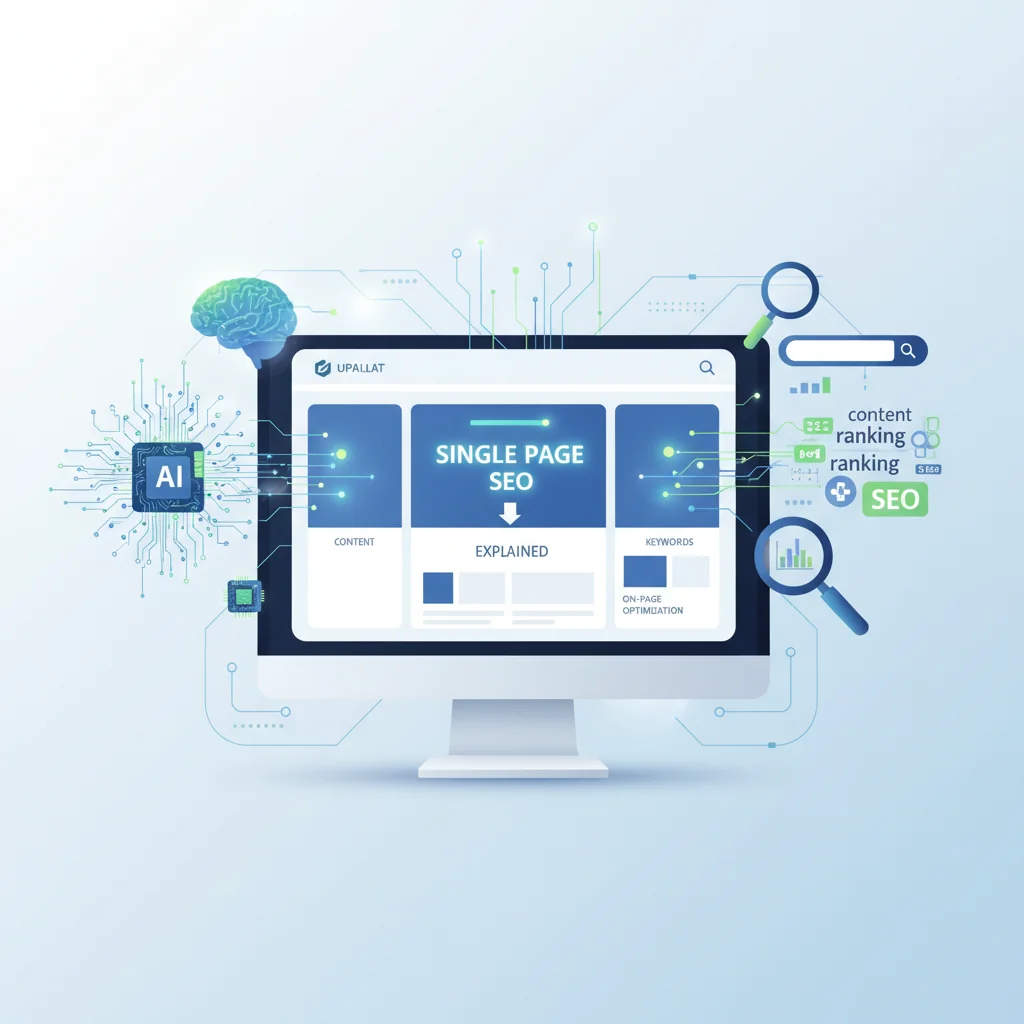
Single page SEO refers to the comprehensive process of optimizing all elements of a specific web page to achieve the highest possible ranking for targeted keywords and user intent in search engine results. This meticulous approach ensures that individual pieces of content, whether a blog post, a product page, or a service landing page, are fully equipped to attract, engage, and convert visitors from organic search. Effective single page SEO is not merely about stuffing keywords; it encompasses technical, on-page, and content quality factors that collectively signal relevance and authority to search engine algorithms.
In the current digital landscape, where search engines like Google are powered by advanced AI models, the nuance of single page optimization has evolved. AI-driven algorithms are increasingly adept at understanding semantic meaning, user intent, and the overall quality and trustworthiness of content. Therefore, a successful single page SEO strategy in June 2026 demands a holistic view, focusing on delivering exceptional user experience alongside technical perfection. This guide will provide a detailed roadmap for optimizing your individual pages, ensuring they not only rank high but also provide genuine value to your audience.
Understanding Single Page SEO: Beyond the Basics
Single page SEO is the dedicated process of fine-tuning every aspect of a singular web page to maximize its visibility and ranking potential within search engine results for specific queries. This goes beyond general website-wide SEO by hyper-focusing on the unique characteristics, content, and purpose of an individual URL to ensure it precisely matches user intent. Its importance lies in directly addressing the specific needs of searchers, leading to higher conversion rates and more qualified traffic.
The core concept is to create a definitive resource or solution for a particular search query, positioning that single page as the most relevant and authoritative answer. This contrasts with broader site-wide SEO strategies that focus on overall domain authority and crawlability. For instance, a blog post titled "How to Optimize Blog Post Length" would be optimized for that specific query, rather than broadly for "blogging tips."
Defining Key Terms in Single Page SEO
To effectively implement single page SEO, a clear understanding of its foundational terminology is essential. These definitions form the bedrock of any successful optimization strategy.
- User Intent: User intent refers to the primary goal a searcher has when typing a query into a search engine. It can be informational (seeking knowledge), navigational (finding a specific website), transactional (making a purchase), or commercial investigation (researching before buying).
- Keyword Density: Keyword density is the percentage of times a specific keyword appears on a web page relative to the total word count. While once a primary ranking factor, modern SEO emphasizes natural language and semantic relevance over strict density. Analyzing this can be done using a Keyword Density tool.
- SERP: SERP, an acronym for Search Engine Results Page, is the list of results a search engine displays in response to a user's query. Optimizing for single page SEO aims to secure a high position on this page. You can preview how your page might appear with a SERP Preview tool.
- Canonical Tag: A canonical tag (
rel="canonical") is an HTML element that specifies the preferred version of a web page when multiple URLs have identical or very similar content. It helps prevent duplicate content issues and consolidates ranking signals.
Why Single Page Optimization is Critical for AI-Driven Content
AI-driven content benefits immensely from single page optimization because modern search algorithms, heavily reliant on AI, prioritize content that is highly relevant, comprehensive, and well-structured. These algorithms are designed to understand context and semantic relationships, making pages that deeply explore a single topic more favorable.
AI models used by search engines excel at identifying expertise, authoritativeness, and trustworthiness (E-E-A-T) signals. A single page that provides a complete, nuanced answer to a specific query, backed by clear evidence and expert insights, satisfies these AI criteria. Furthermore, AI content generators, like UPAI, can produce highly optimized content when given precise keyword targets and a clear understanding of the page's intent, making the subsequent single page SEO process more efficient and impactful.
The Foundational Pillars of Single Page SEO
The foundational pillars of single page SEO are comprehensive keyword research, precise user intent matching, and the creation of high-quality, valuable content, forming the bedrock upon which all other optimization efforts are built. Without these three elements, even the most technically perfect page will struggle to rank or resonate with its target audience. They dictate the direction, scope, and ultimate effectiveness of your single page strategy.
These pillars ensure that your page is not only discoverable by search engines but also genuinely useful and appealing to the people searching for your topic. Neglecting any of these foundations results in wasted effort and suboptimal performance, making their meticulous execution non-negotiable for success in the competitive digital landscape of June 2026.
Comprehensive Keyword Research for Single Pages
Comprehensive keyword research involves identifying the exact terms and phrases your target audience uses when searching for information, products, or services related to your page's topic. This process uncovers high-volume, low-competition keywords, long-tail variations, and latent semantic indexing (LSI) keywords that provide context and depth to your content.
For a single page, the focus narrows considerably. Instead of targeting broad terms, you aim for a primary keyword that precisely encapsulates the page's core offering. Supporting keywords and semantic variations are then integrated naturally to provide comprehensive coverage. Tools like Google Keyword Planner, Ahrefs, or Semrush help identify search volume, competition, and related terms. The goal is to select keywords that align directly with your page's purpose and your audience's intent.
Matching User Intent with Content
Matching user intent with content means creating a page that directly addresses the underlying reason a user made a particular search query. If a user is searching for "how to fix a leaky faucet," they have an informational intent, expecting step-by-step instructions, not a product page selling plumbing services. Failing to match intent leads to high bounce rates and poor rankings, as search engines prioritize pages that satisfy the searcher's needs.
There are generally four types of user intent:
- Informational: Users seek knowledge (e.g., "what is single page SEO?"). Content should be educational, comprehensive guides, tutorials, or definitions.
- Navigational: Users want to find a specific website or page (e.g., "UPAI login"). Content is usually the specific page itself.
- Transactional: Users intend to make a purchase or complete an action (e.g., "buy AI content writer"). Content should be product pages, service pages, or checkout flows.
- Commercial Investigation: Users are researching before a potential purchase (e.g., "best AI writing tools"). Content should be reviews, comparisons, or detailed product information.
Before writing, analyze the SERP for your target keyword. What kind of content ranks? This provides direct insight into what Google perceives as the best match for that intent. Your single page must meet or exceed that standard.
Creating High-Quality, Valuable Content
Creating high-quality, valuable content means producing material that is accurate, comprehensive, unique, well-researched, and genuinely helpful to the reader. This is the most crucial pillar, as search engines are designed to reward content that provides the best answer or solution to a user's query. Low-quality, thin, or regurgitated content will not rank, regardless of other optimizations.
Characteristics of high-quality content include:
- Depth and Comprehensiveness: Covers the topic thoroughly, addressing all common questions and related sub-topics.
- Accuracy and Reliability: Based on facts, data, and expert knowledge, free from errors.
- Uniqueness and Originality: Offers a fresh perspective, unique insights, or original research, avoiding plagiarism.
- Engagement and Readability: Written in a clear, concise, and engaging style that keeps readers interested. A Readability tool can help assess and improve this aspect.
- User Experience: Easy to navigate, visually appealing, and free from intrusive elements.
For AI-generated content, quality means ensuring the AI output is fact-checked, edited for tone and accuracy, and augmented with human insights to elevate its value. UPAI's AI-powered tools are designed to generate SEO-optimized content, but human oversight remains critical for true high-quality output.
On-Page Optimization Techniques for a Single Page
On-page optimization techniques for a single page involve meticulously refining all visible and code-level elements directly on that page to improve its search engine ranking and user experience. These optimizations include strategic placement of keywords, crafting compelling titles and meta descriptions, structuring content with headings, and optimizing images. Implementing these techniques signals to search engines the relevance and quality of your content, directly influencing its visibility in SERPs.
Effective on-page SEO ensures that when a search engine crawls your page, it clearly understands the topic, its relevance, and its value to users. This direct control over page elements makes on-page optimization one of the most powerful levers in your SEO strategy. Neglecting these fundamental steps can severely limit the potential of even the most valuable content.
Optimizing Title Tags and Meta Descriptions
Optimizing title tags and meta descriptions is crucial because they are the first impression users get of your page in search results, influencing click-through rates (CTR) and providing direct ranking signals to search engines. The title tag (<title>) tells search engines and users what the page is about, while the meta description provides a brief summary, enticing users to click.
- Title Tag:
- Include your primary keyword naturally, ideally near the beginning.
- Keep it concise, typically under 60 characters (pixel width matters more).
- Make it compelling and accurately reflect the page's content.
- Each page must have a unique title tag.
- Meta Description:
- Summarize the page's content in 150-160 characters, including your primary and secondary keywords.
- Write a compelling call to action (CTA) to encourage clicks.
- Ensure it accurately describes the page; misleading descriptions can harm user trust and rankings.
- While not a direct ranking factor, a strong meta description significantly impacts CTR, which is an indirect ranking signal.
You can use a SERP Preview tool to see exactly how your title and meta description will appear in Google, allowing for precise adjustments.
Strategic Use of Headings (H1, H2, H3)
Strategic use of headings (H1, H2, H3) structures your content logically, making it easier for both users and search engines to understand the page's hierarchy and main topics. Headings break up long blocks of text, improve readability, and provide important contextual clues about the content's organization. The H1 tag represents the main topic, while H2s and H3s delineate sub-topics and specific points within those sub-topics.
- H1 Tag:
- There should only be one H1 tag per page, serving as the main title of your content.
- It should include your primary keyword and accurately reflect the page's overall topic.
- Often, the H1 is the same as or very similar to your title tag.
- H2 Tags:
- Used for main sections or sub-topics of your content.
- Incorporate secondary keywords and semantic variations naturally.
- Break down your content into digestible chunks.
- H3 Tags:
- Used for sub-points within H2 sections, providing further detail.
- Help organize complex information and improve scannability.
Proper heading structure improves content flow and helps search engines understand the relationships between different parts of your content, contributing to better topical authority.
URL Structure and Optimization
URL structure and optimization involve creating clean, descriptive, and keyword-rich URLs that are easy for both users and search engines to understand. A well-optimized URL provides immediate context about the page's content before a user even clicks on it, contributing to a better user experience and potentially higher click-through rates.
Key principles for URL optimization:
- Keep it concise: Shorter URLs are generally preferred and easier to share.
- Include keywords: Integrate your primary keyword naturally within the URL slug.
- Use hyphens: Separate words with hyphens (e.g.,
/single-page-seo) for readability; avoid underscores. - Be descriptive: The URL should give a clear indication of the page's content.
- Avoid dynamic parameters: Whenever possible, use static, human-readable URLs instead of URLs with question marks and long strings of numbers/symbols.
For example, upai.lat/blog/single-page-seo-guide is far better than upai.lat/p?id=12345&cat=2.
Image Optimization for SEO
Image optimization for SEO entails reducing image file sizes, using descriptive alt text, and selecting appropriate file formats to improve page load speed and accessibility, while also providing additional context to search engines. Images are crucial for user engagement but can significantly impact performance if not optimized correctly. Fast-loading pages are a direct ranking factor and improve user experience.
Steps for effective image optimization:
- Compress images: Use tools to reduce file size without significant loss of quality. WebP is often the best format for modern browsers due to superior compression.
- Descriptive Alt Text: Provide concise, accurate descriptions of the image content in the
altattribute. Include relevant keywords where natural. This is vital for accessibility and helps search engines understand the image. - Descriptive File Names: Use descriptive file names (e.g.,
single-page-seo-flowchart.webpinstead ofIMG_001.webp). - Responsive Images: Ensure images display correctly and efficiently across various devices and screen sizes.
- Lazy Loading: Implement lazy loading so images only load when they enter the viewport, speeding up initial page load.
Properly optimized images contribute to a faster, more accessible, and more search-engine-friendly page, enhancing both rankings and user satisfaction.
Internal Linking Strategy on a Single Page
An internal linking strategy on a single page involves strategically placing hyperlinks within the content that point to other relevant pages on your own website. This practice serves multiple purposes: it helps search engines discover and index more of your content, distributes "link equity" (PageRank) throughout your site, and guides users to related resources, improving overall user experience and time on site.
For a single page, internal links should be contextually relevant and add value to the reader. For example, a blog post about single page SEO might link to a guide on keyword research or a tool for analyzing page performance. The anchor text for these links should be descriptive and keyword-rich, accurately reflecting the content of the linked page.
Benefits of a strong internal linking strategy:
- Improved Crawlability: Helps search engine bots find and index more pages on your site.
- Enhanced PageRank Distribution: Passes authority from stronger pages to weaker but relevant pages.
- Better User Experience: Guides users to related content, keeping them on your site longer.
- Clearer Site Structure: Helps search engines understand the hierarchy and relationships between your pages.
When discussing keyword density, for example, it's natural to link to a Keyword Density tool. Similarly, when talking about analyzing SEO performance, an internal link to an SEO Checker is appropriate.
Technical SEO Considerations for Single Pages
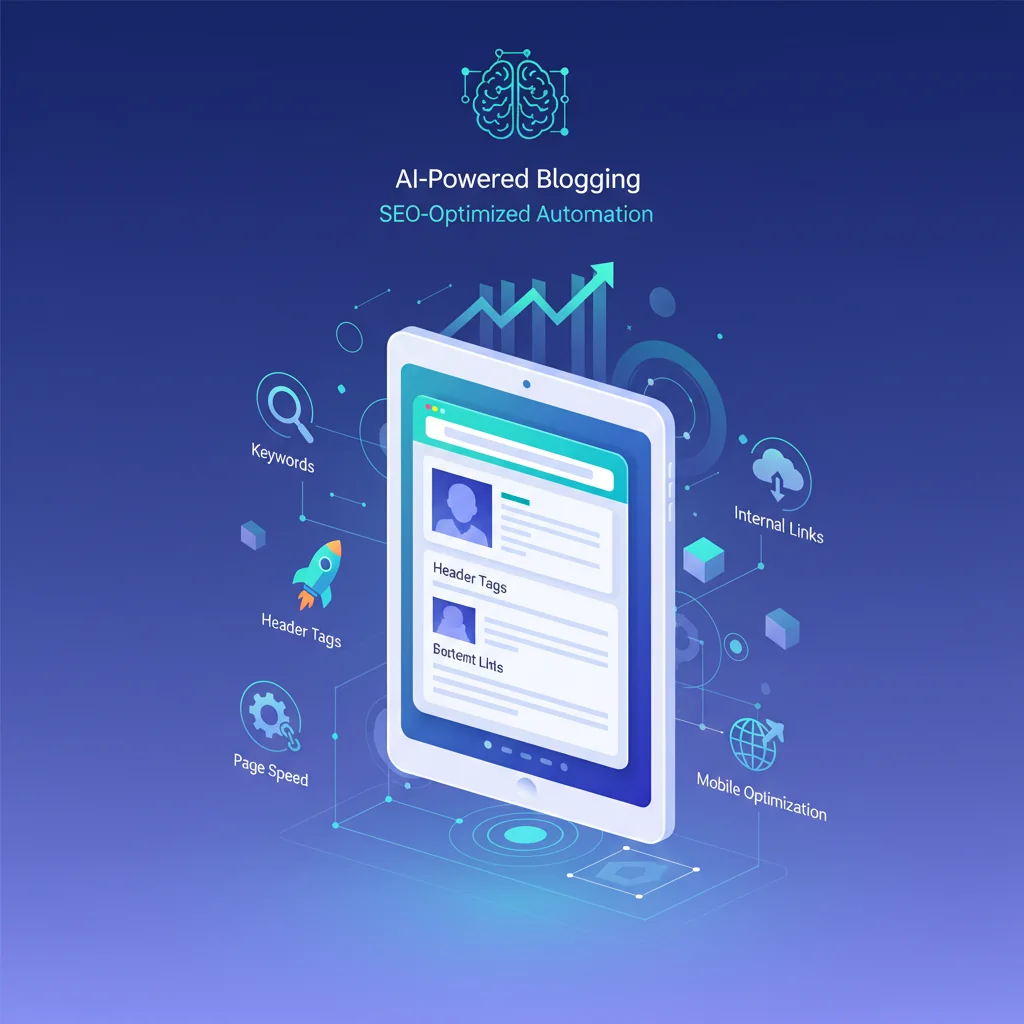
Technical SEO considerations for single pages involve optimizing the underlying infrastructure and code of a page to improve its crawlability, indexability, and overall performance for search engines and users. These factors, often invisible to the casual user, are critical for ensuring search engines can effectively discover, understand, and rank your content. Neglecting technical SEO can severely limit the visibility of even the most well-written page, as it directly impacts how search engine bots interact with your site.
In June 2026, with Google's emphasis on Core Web Vitals and user experience, technical SEO is more important than ever. Pages that are fast, secure, and mobile-friendly are consistently favored in search rankings. Addressing these technical aspects ensures your content has the best possible foundation for success.
Page Speed and Core Web Vitals
Page speed and Core Web Vitals are crucial technical SEO factors because they directly impact user experience and are explicit ranking signals for Google. Core Web Vitals (CWV) are a set of specific, quantifiable metrics that measure real-world user experience for loading performance, interactivity, and visual stability of a page. Pages that perform well on CWV are generally rewarded with better rankings.
The three Core Web Vitals are:
- Largest Contentful Paint (LCP): Measures loading performance. It's the time it takes for the largest content element on the page to become visible. Aim for under 2.5 seconds.
- First Input Delay (FID): Measures interactivity. It's the time from when a user first interacts with a page (e.g., clicks a button) to when the browser is actually able to respond to that interaction. Aim for under 100 milliseconds. (Note: FID is being replaced by INP - Interaction to Next Paint - in March 2024, which measures the latency of all interactions).
- Cumulative Layout Shift (CLS): Measures visual stability. It quantifies unexpected layout shifts of visual page content. Aim for a CLS score of 0.1 or less.
Optimizing images, leveraging browser caching, minimizing CSS and JavaScript, and using a Content Delivery Network (CDN) are common strategies to improve page speed and CWV scores. Regularly check your page's performance using tools like Google PageSpeed Insights.
Mobile-Friendliness and Responsive Design
Mobile-friendliness and responsive design are non-negotiable technical SEO requirements because the majority of internet users access content via mobile devices, and Google employs mobile-first indexing. A mobile-friendly page ensures a seamless and enjoyable experience for users on any device, preventing frustration and high bounce rates. Responsive design automatically adjusts the page layout to fit different screen sizes, providing optimal viewing regardless of the device.
Key aspects of mobile optimization:
- Responsive Layout: Content, images, and interactive elements should adapt fluidly to various screen dimensions.
- Legible Text: Font sizes must be readable without zooming on mobile screens.
- Tap Targets: Buttons and links should be large enough and sufficiently spaced to be easily tappable.
- Fast Loading on Mobile: Mobile pages must load quickly, especially considering varying network speeds.
- No Horizontal Scrolling: Users should not have to scroll horizontally to view content.
Google's Mobile-Friendly Test can help you assess your page's performance on mobile devices. Ensuring your single page is perfectly rendered on mobile is paramount for ranking success.
Implementing Structured Data (Schema Markup)
Implementing structured data, also known as schema markup, involves adding specific code snippets to your page that help search engines better understand the content and context of your information. This enhanced understanding can lead to rich results (e.g., star ratings, FAQs, product prices) in the SERP, which significantly increases visibility and click-through rates. Structured data acts as a translator, clarifying the meaning of your content for machines.
Common types of schema markup beneficial for single pages include:
- Article Schema: For blog posts and news articles, providing details like author, publication date, and headline.
- Product Schema: For e-commerce product pages, including price, availability, reviews, and product identifiers.
- FAQPage Schema: For pages with a list of questions and answers, often generating an expandable rich snippet in the SERP. UPAI offers an FAQ Schema tool to generate this markup easily.
- HowTo Schema: For step-by-step guides, outlining instructions and materials.
- Review Snippet Schema: For pages featuring reviews, displaying star ratings directly in search results.
While structured data is not a direct ranking factor, the rich results it enables can drastically improve your page's attractiveness in the SERP, leading to more organic traffic. Use Google's Rich Results Test to validate your schema implementation.
HTTPS and Security
HTTPS and security are fundamental technical SEO requirements because they protect user data and are a confirmed ranking signal from Google. HTTPS (Hypertext Transfer Protocol Secure) encrypts communication between a user's browser and your website, safeguarding sensitive information and building trust. Search engines prioritize secure websites, and browsers often warn users about insecure HTTP sites, deterring traffic.
Transitioning your site from HTTP to HTTPS involves obtaining and installing an SSL/TLS certificate. This ensures that all data transmitted to and from your single page is encrypted, preventing eavesdropping and data tampering. Beyond HTTPS, general website security practices, such as strong passwords, regular software updates, and protection against malware, contribute to a trustworthy online presence, which indirectly supports SEO by preventing penalties or loss of user confidence.
Content Strategy, Quality, and E-E-A-T for Single Page Success
Content strategy, quality, and E-E-A-T (Experience, Expertise, Authoritativeness, Trustworthiness) are paramount for single page success because search engines, particularly Google, increasingly prioritize helpful, reliable content created by knowledgeable sources. A robust content strategy ensures your single page addresses a specific user need thoroughly and compellingly, while E-E-A-T signals confirm the credibility and value of that content. These factors directly influence rankings, user engagement, and ultimately, conversions, making them central to any modern SEO approach.
In June 2026, with AI models analyzing content for nuance and context, merely having keywords is insufficient. Content must demonstrate genuine value, unique insights, and a clear understanding of the topic, backed by demonstrable experience or expertise. This holistic approach to content is what sets top-ranking pages apart.
Embracing E-E-A-T for Authority
Embracing E-E-A-T for authority means actively demonstrating your (or your content creator's) Experience, Expertise, Authoritativeness, and Trustworthiness on every single page. This framework, outlined in Google's Search Quality Rater Guidelines, guides human raters and informs AI algorithms on how to assess the quality and credibility of web content. Pages that clearly exhibit strong E-E-A-T signals are more likely to rank well, especially for "Your Money or Your Life" (YMYL) topics that impact health, finance, or safety.
To establish E-E-A-T for a single page:
- Experience: Show real-world experience. For example, if reviewing a product, mention you've used it. If giving advice, demonstrate you've applied it.
- Expertise: Provide evidence of knowledge. This could be through detailed, accurate information, citing relevant data, or linking to expert profiles (e.g., author bio).
- Authoritativeness: Build a reputation as a go-to source for the topic. This is often reflected by external links from reputable sites, mentions, and brand recognition.
- Trustworthiness: Ensure accuracy, transparency, and security. Provide clear contact information, privacy policies, and secure connections (HTTPS).
For AI-generated content, human oversight and enhancement are critical to inject E-E-A-T. A human expert should review, edit, and add personal insights or proprietary data to elevate the AI's output, transforming it from informative to authoritative. UPAI helps generate the foundational content, but your expertise makes it truly E-E-A-T compliant.
Comprehensive Content Coverage and Depth
Comprehensive content coverage and depth mean that your single page addresses all facets of a given topic, leaving no common questions unanswered and providing thorough, detailed explanations. Modern search algorithms prefer content that serves as a complete resource, eliminating the need for users to return to the SERP to find additional information. This "all-in-one" approach positions your page as the definitive authority on its subject.
To achieve comprehensive coverage:
- Answer the main query fully: Directly address the primary user intent.
- Cover related sub-topics: Explore peripheral but relevant aspects of the main topic.
- Anticipate follow-up questions: Include sections that answer common questions users might have after reading the main content. This is where FAQ Schema can be highly beneficial.
- Use various content formats: Incorporate text, images, videos, tables, and lists to explain concepts effectively.
- Provide actionable advice: If applicable, offer clear, step-by-step instructions or recommendations.
The goal is to create a piece of content so valuable that it becomes the ultimate destination for anyone searching for that specific topic. This depth not only satisfies users but also provides more opportunities to naturally integrate relevant keywords and semantic entities.
Optimizing for User Experience (UX)
Optimizing for User Experience (UX) involves designing and structuring your single page to be intuitive, easy to navigate, and pleasant to interact with for all visitors. A positive UX directly correlates with lower bounce rates, longer time on page, and higher engagement, all of which are strong positive signals to search engines. Conversely, a poor UX leads to frustration, quick exits, and ultimately, lower rankings.
Key UX elements for single page SEO:
- Readability: Use clear fonts, appropriate font sizes, sufficient line spacing, and break up text with headings and paragraphs. A Readability tool can help ensure your content is accessible to a broad audience.
- Visual Appeal: Incorporate high-quality images, videos, and graphics to make the page engaging without overwhelming it.
- Navigation: Even on a single page, internal links, a table of contents, or clear anchor links can improve navigation.
- Interactivity: Consider elements like quizzes, calculators (e.g., an Earn Calculator if relevant), or comment sections to boost engagement.
- Accessibility: Ensure your page is usable by people with disabilities (e.g., proper alt text for images, keyboard navigation).
A superior user experience tells search engines that your page is valuable and keeps users satisfied, reinforcing its position as a top result.
Monitoring and Maintaining Single Page Performance
Monitoring and maintaining single page performance involves regularly tracking key metrics, analyzing user behavior, and refreshing content to ensure the page retains its search engine rankings and continues to meet user needs over time. SEO is not a one-time task; it requires continuous vigilance and adaptation, especially as search algorithms evolve and competitors optimize their own content. Consistent monitoring allows for timely adjustments that prevent ranking drops and capitalize on new opportunities.
By actively tracking how your single page performs, you can identify areas for improvement, respond to changes in search trends, and confirm that your initial optimization efforts are yielding the desired results. This proactive approach is essential for long-term SEO success in the dynamic digital landscape of June 2026.
Leveraging Google Analytics and Search Console
Leveraging Google Analytics and Search Console is fundamental for monitoring single page performance because these free tools provide invaluable data directly from Google about how users interact with your page and how search engines perceive it. Google Analytics tracks user behavior metrics, while Search Console offers insights into search performance and technical issues. Together, they form a powerful analytics suite.
Google Analytics provides data on:
- Pageviews and Unique Pageviews: How many times your page has been viewed.
- Bounce Rate: The percentage of visitors who leave after viewing only one page.
- Average Time on Page: How long users spend engaging with your content.
- Traffic Sources: Where your visitors are coming from (organic search, social, direct, etc.).
- Audience Demographics: Information about your users (location, age, interests).
Google Search Console provides data on:
- Search Performance: Clicks, impressions, CTR, and average position for your keywords.
- Index Coverage: Which pages are indexed and any indexing errors.
- Core Web Vitals: Performance metrics for page experience.
- Enhancements: Information on structured data implementation (e.g., FAQ schema).
- Manual Actions: Notifications of any penalties applied to your site.
Regularly reviewing these dashboards allows you to identify underperforming keywords, assess content engagement, spot technical issues, and make data-driven decisions to improve your single page's SEO.
Content Refresh and Updates
Content refresh and updates are vital for maintaining single page performance because search engines favor fresh, accurate, and up-to-date information, especially for evergreen topics. Regularly reviewing and revising your content ensures its continued relevance, improves accuracy, and signals to search engines that the page remains a valuable resource. Stagnant content can gradually lose rankings as newer, more current information emerges.
Strategies for effective content refreshing:
- Update Statistics and Data: Replace outdated figures with current ones.
- Add New Insights: Incorporate new research, trends, or expert opinions.
- Improve Readability: Re-evaluate sentence structure, paragraph length, and overall flow. A Readability tool can be useful here.
- Expand Comprehensiveness: Add new sections or answer recently emerged user questions.
- Optimize Internal Links: Ensure all internal links are still relevant and functional.
- Refresh Visuals: Update images, infographics, or videos to keep the page visually appealing.
- Re-evaluate Keywords: Check if your target keywords are still relevant or if new, related terms have emerged.
By keeping your content current, you not only provide better value to your readers but also send strong positive signals to search engines about the ongoing quality and relevance of your single page.
A/B Testing and Conversion Rate Optimization (CRO)
A/B testing and Conversion Rate Optimization (CRO) are crucial for single page performance because they allow you to systematically improve the page's effectiveness in achieving its primary goal, whether that's lead generation, sales, or sign-ups. While SEO drives traffic, CRO ensures that traffic translates into desired actions. A/B testing, a core CRO technique, involves comparing two versions of a page element (A and B) to determine which performs better.
Elements commonly A/B tested on a single page include:
- Headlines and Calls to Action (CTAs): Different phrasing or button colors can significantly impact engagement. A Headline Analyzer can help pre-optimize headlines.
- Page Layout and Design: Variations in content placement, image usage, or form design.
- Pricing Models or Offers: Testing different value propositions.
- Images and Videos: Different visuals can evoke varying responses.
- Content Length and Detail: Experimenting with short vs. long-form content for specific goals.
By continually testing and optimizing, you not only improve your conversion rates but also gather valuable insights into what resonates with your audience, which can then inform future SEO and content strategies. This iterative process ensures your single page is always performing at its peak potential.
Common Mistakes in Single Page SEO to Avoid
Avoiding common mistakes in single page SEO is as critical as implementing best practices, as these errors can severely hinder a page's ranking potential and user experience, even leading to search engine penalties. Many seemingly minor missteps can accumulate, signaling low quality or manipulative tactics to sophisticated AI algorithms. Proactively identifying and rectifying these pitfalls ensures your single page remains compliant with search engine guidelines and delivers optimal performance.
Understanding these common errors allows you to build a more robust and future-proof SEO strategy, maximizing your page's organic visibility and sustained success. Ignoring them can result in wasted effort and a significant disadvantage in competitive SERPs.
Keyword Stuffing and Over-Optimization
Keyword stuffing and over-optimization involve excessively repeating keywords or manipulating on-page elements in an unnatural way, which search engines now penalize rather than reward. While keywords are essential, their overuse makes content unreadable and signals manipulative intent to AI algorithms, leading to lower rankings or even de-indexing. Modern SEO prioritizes natural language and semantic relevance.
Examples of keyword stuffing and over-optimization:
- Repeating the same keyword multiple times in a single sentence or paragraph.
- Including keywords in areas like the footer or hidden text, purely for search engines.
- Using too many exact-match keywords in headings or alt text, making them sound unnatural.
- Creating content that reads poorly due to forced keyword inclusion.
Instead, focus on using keywords naturally within the context of high-quality content. Employ semantic variations and LSI keywords to cover the topic comprehensively without sounding robotic. A Keyword Density tool can help you identify if a keyword is being overused, prompting you to refine your content.
Ignoring User Intent
Ignoring user intent means creating content that does not directly address the underlying goal or question a searcher has when typing a query, leading to high bounce rates and poor engagement. If your page about "best hiking boots" provides historical facts about boots instead of product comparisons and reviews, users will quickly leave, signaling to search engines that your content is irrelevant. This mismatch directly impacts rankings, as Google aims to serve the most helpful results.
To avoid ignoring user intent:
- Analyze SERP: Look at the top-ranking results for your target keyword. What kind of content are they? Are they informational articles, product pages, or comparison lists?
- Understand query types: Differentiate between informational, navigational, transactional, and commercial investigation queries.
- Tailor content accordingly: Ensure your content format and depth align with what users expect for that specific query.
Always prioritize providing the best possible answer or solution that perfectly aligns with what your audience is truly looking for.
Poor Readability and User Experience
Poor readability and user experience (UX) involve presenting content in a way that is difficult to read, navigate, or interact with, leading to user frustration and quick exits from the page. This negatively impacts engagement metrics like time on page and bounce rate, which are strong signals to search engines about content quality. Search engines prioritize pages that offer a smooth and enjoyable experience, making poor UX a significant ranking impediment.
Examples of poor readability and UX:
- Long, unbroken blocks of text without headings or paragraphs.
- Small font sizes, low contrast colors, or distracting backgrounds.
- Excessive pop-ups, intrusive ads, or slow-loading elements.
- Lack of clear calls to action or confusing navigation.
- Non-responsive design leading to a broken experience on mobile devices.
Always strive for clear, concise writing, logical content structure, and a visually appealing layout. Use tools like UPAI's Readability checker to ensure your content is accessible and engaging for your target audience.
Neglecting Technical SEO Fundamentals
Neglecting technical SEO fundamentals means overlooking critical infrastructure and code-level optimizations, which can prevent search engines from effectively crawling, indexing, and understanding your single page. Issues like slow page speed, lack of mobile-friendliness, or broken internal links create barriers for search engine bots and deliver a poor user experience, directly harming your page's ability to rank. Technical problems can render even the highest-quality content invisible.
Common technical SEO neglects:
- Slow Page Load Times: Unoptimized images, excessive JavaScript, or poor hosting.
- Lack of Mobile Responsiveness: Pages that don't adapt well to different screen sizes.
- Missing or Incorrect Structured Data: Failing to provide context to search engines through schema markup.
- Broken Internal or External Links: Leading to dead ends for users and search bots.
- No HTTPS: An insecure connection that undermines trust and is a ranking disadvantage.
- Duplicate Content Issues: Having multiple URLs with identical or near-identical content without proper canonicalization.
Regularly audit your page's technical health using tools like Google Search Console and UPAI's SEO Checker to identify and resolve these issues promptly.
Failing to Update Content Regularly
Failing to update content regularly leads to a decline in rankings and relevance over time, as search engines prioritize fresh, accurate, and comprehensive information. Content, especially for evergreen topics, can become outdated due to new research, changing statistics, or evolving best practices. Stagnant content signals to search engines that the page may no longer be the best resource, allowing newer, updated competitors to surpass it in the SERP.
The consequences of neglecting content updates include:
- Decreased Relevance: Information becomes obsolete or less accurate.
- Lower Engagement: Users find outdated content less trustworthy or useful.
- Loss of Rankings: Competitors with fresher content gain an advantage.
- Reduced E-E-A-T: Outdated content undermines expertise and trustworthiness.
Implement a content audit schedule to review and refresh your single pages periodically. This proactive maintenance ensures your content remains a valuable and authoritative resource, signaling continuous quality to search engines and users alike.
| Aspect | Best Practice | Common Mistake to Avoid |
|---|---|---|
| Keyword Usage | Natural integration of primary and secondary keywords, semantic variations. | Keyword stuffing, forced keyword inclusion, over-optimization. |
| Content Quality | Comprehensive, accurate, unique, E-E-A-T compliant, addresses all aspects of topic. | Thin content, regurgitated information, lack of depth, no clear value proposition. |
| User Intent | Content precisely matches the searcher's underlying goal (informational, transactional, etc.). | Misunderstanding or ignoring user intent, providing irrelevant content. |
| Technical Foundation | Fast page speed, mobile-friendly, HTTPS, correct structured data. | Slow loading times, non-responsive design, broken links, no SSL certificate. |
| Content Maintenance | Regularly refresh and update content, monitor performance. | Set-it-and-forget-it approach, allowing content to become outdated. |
| Page Elements | Compelling, keyword-rich title tags and meta descriptions, logical heading structure. | Generic titles/meta descriptions, poor heading hierarchy, unoptimized URLs. |
Conclusion: Automate Your Single Page SEO with AI
Mastering single page SEO is an indispensable strategy for achieving high search engine rankings and driving targeted traffic, demanding meticulous attention to detail across content, technical, and user experience factors. By focusing on comprehensive keyword research, aligning with user intent, producing high-quality E-E-A-T compliant content, and ensuring robust technical foundations, you can position your individual pages as authoritative resources in the SERP. The continuous monitoring and adaptation of your strategy are crucial for sustained success in an ever-evolving search landscape.
In the competitive digital environment of June 2026, leveraging AI tools is no longer an option but a necessity to streamline and enhance your single page SEO efforts. From generating initial content drafts and optimizing headlines to checking readability and ensuring proper schema markup, AI can dramatically reduce the time and resources required for effective optimization. Automating these processes allows you to scale your content production while maintaining the high standards required by modern search algorithms.
Ready to revolutionize your content strategy and ensure every single page you publish is fully optimized for maximum impact? Explore UPAI's suite of AI-powered tools designed specifically for bloggers, content marketers, and SEO specialists. Automate your blog with AI and achieve unparalleled SEO results, driving more organic traffic and unlocking your full monetization potential.
Frequently Asked Questions
What is single page SEO?
Why is single page SEO important?
What are the key elements of single page SEO?
How do I choose the right keywords for single page SEO?
Can a single page rank for multiple keywords?
How long does it take to see results from single page SEO?
Related Articles

Surfer SEO Review 2026: Optimize Your Content for Top Rankings
Our in-depth Surfer SEO review for June 2026 covers features, pricing, pros, and cons. Discover how this tool can elevate your on-page SEO and content strategy. Learn more!

Top SEO Services Norfolk Businesses Need for Growth
Boost your Norfolk business with expert SEO services. We help you rank higher, attract more customers, and dominate the local market. Get started today!

The Best Rank Tracker: Your Guide to Top SEO Performance
Discover the best rank tracker for your SEO needs. Monitor keyword performance accurately and elevate your website's search engine visibility. Find the right tool today!
More free AI tools from the same team
Grow your LinkedIn presence on autopilot. Try LinkedIn automation and AI content for free.
Read the Linkesy blogAsk AI about UPAI
Click your favorite assistant to learn more about us