
Best AI Search Monitoring Tools: Top 5 for 2026

The best AI search monitoring tools in June 2026 are sophisticated platforms like Semrush, Ahrefs, Moz Pro, Surfer SEO, and BrightEdge, offering advanced capabilities for real-time SERP analysis, competitor intelligence, and predictive content optimization, significantly enhancing SEO strategies for businesses and content creators. These tools leverage artificial intelligence to automate data collection, identify patterns, and provide actionable insights that traditional SEO methods cannot match, ensuring content remains competitive and visible in an ever-evolving search landscape.
Key Takeaways
- AI search monitoring tools automate real-time SERP tracking, competitor analysis, and content gap identification, providing actionable insights for superior SEO performance.
- Leading platforms like Semrush, Ahrefs, and Surfer SEO integrate AI to predict keyword trends, analyze user intent, and optimize content for maximum visibility.
- Effective use of these tools requires a strategic approach, combining AI-driven data with human oversight to adapt to algorithm changes and refine content strategies.
- Key features to prioritize include predictive analytics, sentiment analysis, comprehensive reporting, and seamless integration with existing content workflows.
- Avoiding common pitfalls such as data overload or over-reliance on AI without human interpretation ensures more robust and sustainable SEO outcomes.
- UPAI's suite of AI-powered tools complements search monitoring by streamlining content creation, optimization, and performance analysis, accelerating content ranking.
Understanding AI Search Monitoring Tools
AI search monitoring tools are advanced software applications that leverage artificial intelligence and machine learning to track, analyze, and report on a website's performance within search engine results pages (SERPs), providing insights far beyond traditional manual tracking. These tools are indispensable for content marketers, SEO specialists, and bloggers aiming to maintain and improve their online visibility in competitive digital landscapes.
What is AI Search Monitoring?
AI search monitoring refers to the use of artificial intelligence algorithms to observe, collect, and interpret data related to search engine performance. This encompasses tracking keyword rankings, analyzing competitor strategies, identifying content gaps, and predicting future search trends. The core benefit of AI in this context is its ability to process vast datasets rapidly and identify complex patterns that would be impossible for human analysts to discern manually, offering a significant competitive advantage.
Artificial Intelligence (AI) is a broad field of computer science that enables machines to perform tasks that typically require human intelligence, such as learning, problem-solving, and decision-making. In SEO, AI applications range from natural language processing (NLP) for content analysis to machine learning for predictive analytics.
The Evolution of Search Monitoring
Search monitoring has evolved dramatically from rudimentary manual checks to sophisticated AI-driven systems. Initially, SEO professionals relied on basic keyword trackers and manual SERP checks, a time-consuming and often inaccurate process. The introduction of more advanced SEO software brought automation to ranking checks and basic analytics, but these tools primarily functioned based on predefined rules and limited data sets. The current era, dominated by AI, has ushered in a new level of intelligence, where systems can learn from historical data, adapt to algorithm changes, and provide predictive insights, making SEO more proactive than reactive.
This evolution directly addresses the increasing complexity of search engine algorithms, which now incorporate AI themselves to understand user intent and deliver highly relevant results. To effectively compete, monitoring tools must also employ AI to decipher these intricate signals and provide actionable recommendations. This ensures that content strategies are always aligned with the latest search engine expectations.
Core Functionalities of AI-Powered Monitoring
AI-powered search monitoring tools offer a suite of functionalities designed to provide a 360-degree view of search performance. These capabilities move beyond simple data aggregation to deep analytical insights. Key functionalities include real-time SERP position tracking, which updates rankings frequently and accurately across various locations and devices, providing immediate feedback on content performance. Competitor analysis is enhanced by AI to identify not just keywords, but also content strategies, backlink profiles, and even predicted future moves of rivals.
Furthermore, AI tools excel at content gap analysis, automatically identifying topics and keywords that competitors rank for but the user's site does not, presenting clear opportunities for new content creation. They also offer predictive analytics, forecasting keyword trends and potential algorithm shifts, allowing for proactive adjustments to content strategies. This level of insight transforms SEO from a reactive maintenance task into a strategic, forward-looking discipline.
How AI Enhances Traditional SEO Tasks
AI significantly enhances traditional SEO tasks by introducing efficiency, accuracy, and predictive capabilities that were previously unattainable. For keyword research, AI tools analyze billions of data points to uncover hidden keyword opportunities, cluster related terms, and predict future search volume, moving beyond simple volume metrics to intent-based analysis. In content optimization, AI can evaluate content for readability, relevance, and semantic completeness, suggesting improvements to align with search engine understanding and user intent. UPAI's SEO Checker and Readability tools exemplify this by providing instant feedback on content quality and SEO potential.
For technical SEO, AI can quickly identify complex site issues like crawlability problems, indexing errors, and site speed bottlenecks that might be missed by manual audits. Link building is also improved as AI can identify high-quality, relevant link opportunities and even analyze the sentiment and context of potential linking domains. The overall impact is a more intelligent, data-driven approach to SEO that allows marketers to make informed decisions faster and with greater confidence, leading to more effective strategies and improved ROI.
Search Engine Results Page (SERP) is the page displayed by a search engine in response to a query by a searcher. It typically includes organic search results, paid ads, featured snippets, and other search features.
Key Features to Look for in AI Search Monitoring Tools
When selecting an AI search monitoring tool, prioritize features that offer deep analytical capabilities, automation, and actionable insights to effectively navigate the complexities of modern SEO. The most effective tools go beyond basic tracking, providing predictive power and comprehensive competitive intelligence that directly informs content and marketing strategies.
Real-time SERP Tracking and Analysis
Real-time SERP tracking is a fundamental feature, allowing users to monitor keyword rankings across various search engines, geographical locations, and device types with immediate updates. AI enhances this by not only tracking positions but also analyzing the entire SERP landscape, identifying changes in featured snippets, 'People Also Ask' sections, knowledge panels, and local packs. This analysis provides a holistic view of search visibility, helping content creators understand not just where they rank, but how their content is presented and perceived within the search results. Tools with advanced real-time tracking can also alert users to sudden drops or gains, enabling rapid response to algorithm shifts or competitor movements.
This granular level of tracking is crucial for understanding the immediate impact of content updates or new publications. For instance, after publishing a new blog post, real-time tracking can show its initial ranking performance, informing quick adjustments if necessary. UPAI's SERP Preview tool complements this by allowing users to visualize how their content will appear in search results, ensuring optimal presentation even before publication.
AI-Driven Competitor Intelligence
AI-driven competitor intelligence provides an unparalleled depth of insight into rival strategies, moving beyond simple keyword comparisons to understand their entire digital footprint. These tools use AI to analyze competitor content, backlink profiles, paid ad campaigns, and even social media engagement, identifying patterns and predicting their next moves. For example, AI can detect emerging content topics that competitors are starting to target, giving users a head start in creating relevant content. It can also pinpoint specific content formats or outreach strategies that are proving successful for rivals, allowing for informed adaptation.
This advanced analysis helps in benchmarking performance and identifying areas where competitors are outperforming or underperforming. It enables businesses to refine their own strategies, capitalize on competitor weaknesses, and solidify their market position. Understanding competitive trends through AI is a proactive measure that ensures sustained growth and relevance in a dynamic market.
Advanced Content Gap Analysis
Advanced content gap analysis, powered by AI, automatically identifies topics and keywords that your target audience searches for, which your competitors rank highly for, but for which your website lacks comprehensive or optimized content. This goes beyond basic keyword overlap analysis by using natural language processing (NLP) to understand the semantic context and user intent behind competitor content. AI can analyze thousands of competitor pages to pinpoint specific sub-topics, questions, and angles that are missing from your own content strategy.
This feature is vital for expanding content coverage and ensuring that no valuable search opportunity is missed. By filling these gaps, websites can capture a larger share of search traffic, establish greater authority in their niche, and provide more comprehensive value to their audience. UPAI's Keyword Density tool can then help optimize new content for these identified gaps, ensuring thorough coverage of target terms.
Predictive Keyword Trend Identification
Predictive keyword trend identification leverages machine learning algorithms to forecast future shifts in search demand and keyword popularity. These tools analyze historical search data, seasonal patterns, news trends, and even social media discussions to anticipate which keywords and topics will gain traction. This allows content creators to develop content proactively, positioning themselves as early authorities on emerging trends before they become saturated. For instance, AI can predict the rise of specific product categories or informational queries related to upcoming events, giving marketers a significant lead time.
The ability to predict trends is a game-changer for content strategy, enabling the creation of evergreen content that remains relevant and high-ranking for extended periods. It minimizes the risk of investing in content for declining trends and maximizes the potential for capturing new, high-value traffic. This forward-looking approach ensures that content remains fresh, relevant, and ahead of the curve.
Sentiment Analysis and User Intent Mapping
Sentiment analysis, when applied to search monitoring, uses AI to understand the emotional tone and underlying intent behind user queries and the content that ranks for them. By analyzing user reviews, comments, and forum discussions related to specific keywords, AI can determine whether users are seeking informational, navigational, commercial investigation, or transactional content, and the sentiment associated with those searches. This helps in tailoring content to precisely match user expectations and provide the most relevant answers, leading to higher engagement and lower bounce rates.
User intent mapping, further powered by AI, analyzes the top-ranking pages for a given keyword to decipher the dominant intent Google perceives. This allows content creators to align their content structure, tone, and depth with what search engines are already favoring, increasing the likelihood of ranking. Understanding sentiment also helps in crafting compelling headlines and meta descriptions that resonate emotionally with searchers, improving click-through rates. UPAI's Headline Analyzer can then assist in optimizing these crucial elements.

Technical SEO Insights with AI
AI-powered tools provide deep technical SEO insights by autonomously crawling websites and identifying complex issues that impact search engine performance. These insights go beyond simple broken links or missing meta descriptions. AI can detect intricate problems such as crawl budget optimization opportunities, indexing issues related to dynamic content, suboptimal internal linking structures, and core web vital performance bottlenecks. It can analyze server log files to understand how search engine bots interact with a site, identifying areas of inefficiency or blockage.
The advantage of AI in technical SEO is its ability to process vast amounts of data from large websites, pinpointing subtle issues that can have a significant cumulative effect on rankings. It can also prioritize these issues based on their potential impact, allowing SEO professionals to focus on the most critical fixes first. This leads to a more robust and search-engine-friendly website architecture, which is foundational for sustained organic visibility.
Reporting Automation and Workflow Integration
Reporting automation is a critical feature, as it streamlines the process of generating comprehensive reports on search performance, saving countless hours of manual data compilation. AI-powered tools can automatically create customizable dashboards and reports, highlighting key metrics, trends, and actionable recommendations. These reports can be scheduled for regular delivery, ensuring stakeholders are always informed about SEO progress and challenges. Integration with other marketing and content creation platforms is equally important, allowing for a seamless workflow.
Good workflow integration means that insights from the monitoring tool can be directly fed into content management systems, project management tools, or even AI writing assistants. This ensures that data-driven recommendations are acted upon efficiently, closing the loop between analysis and implementation. For instance, identifying a content gap through monitoring can trigger a content brief generation within an integrated system, accelerating the creation of new, optimized articles. This level of automation and integration is essential for scaling content operations and maximizing efficiency.
Top AI Search Monitoring Tools for SEO Professionals and Content Marketing
The market for AI search monitoring tools is robust, with several platforms standing out for their advanced capabilities and comprehensive feature sets tailored for SEO professionals and content marketers. These tools leverage AI to provide deep insights into SERP performance, competitor strategies, and content optimization, driving better organic results.
Semrush: Comprehensive AI SEO Suite
Semrush is a leading all-in-one SEO and content marketing platform, renowned for its extensive AI-powered capabilities that cover nearly every aspect of digital marketing. Its AI features are deeply integrated into keyword research, competitor analysis, content optimization, and technical SEO audits. For example, Semrush's Topic Research tool uses AI to generate content ideas based on a target keyword, showing related questions, headlines, and topics that resonate with user intent. Its content optimization features, like the SEO Content Template and SEO Writing Assistant, leverage AI to provide real-time recommendations for content length, readability, target keywords, and tone of voice, ensuring content is optimized for both search engines and users.
Semrush also excels in AI-driven competitor analysis, identifying not just competitor keywords but also their content strategies, backlink opportunities, and advertising efforts. The platform's ability to track millions of keywords and domains, coupled with its predictive analytics for ranking changes, makes it an indispensable tool for proactive SEO. Its reporting features are highly customizable, using AI to highlight critical performance metrics and actionable insights, making it easier for teams to understand and act on data. Semrush is particularly well-suited for agencies and in-house marketing teams that require a broad range of AI-driven tools under one roof.
Ahrefs: Backlink and Keyword Powerhouse
Ahrefs is widely recognized for its unparalleled backlink database and robust keyword research capabilities, increasingly integrating AI to enhance its offerings. While traditionally known for its raw data power, Ahrefs has invested in AI to improve its content gap analysis, keyword clustering, and competitive intelligence. Its Content Explorer uses AI to identify top-performing content for any topic, analyzing metrics beyond just traffic to include social shares and referring domains, helping users understand what truly resonates with audiences. The Site Audit feature, while not explicitly branded as AI, uses sophisticated algorithms to crawl websites and identify technical SEO issues, prioritizing them by severity and impact.
Ahrefs' AI-driven features assist in uncovering long-tail keyword opportunities and understanding the commercial intent behind keywords by analyzing SERP features and top-ranking pages. Its ability to track competitor backlink profiles and identify new linking opportunities is significantly enhanced by algorithms that sift through vast amounts of data to find the most relevant and high-authority domains. Ahrefs is ideal for SEOs who prioritize in-depth keyword research, competitor backlink analysis, and identifying content opportunities based on proven performance metrics. Its interface is intuitive for data exploration, making complex analysis more accessible.
Surfer SEO: Content Optimization Leader
Surfer SEO is a specialized AI-powered tool focused primarily on content optimization and creation, helping users craft articles that rank highly by aligning with search engine expectations. Its core strength lies in its Content Editor, which uses natural language processing (NLP) and machine learning to analyze the top-ranking pages for a target keyword. It then provides real-time recommendations for keyword usage, content structure, word count, readability, and internal linking. This AI-driven approach ensures that content is semantically rich and covers all relevant sub-topics that search engines expect.
Surfer SEO's audit feature also uses AI to pinpoint on-page SEO issues on existing content, offering specific suggestions for improvement. Its keyword research capabilities are enhanced by AI to identify closely related terms and questions that users ask, helping to build comprehensive content briefs. The tool is particularly valuable for content writers and SEOs who want to ensure every piece of content is meticulously optimized for maximum organic visibility. It provides a clear, data-driven roadmap for content creation, significantly reducing the guesswork involved in on-page SEO. UPAI's Keyword Density and Readability tools offer similar granular control over content optimization.
Moz Pro: Authority and Visibility Insights
Moz Pro offers a suite of SEO tools that have increasingly integrated AI to provide deeper insights into search performance, with a particular focus on domain authority, link building, and keyword tracking. Moz's AI features assist in understanding the competitive landscape by analyzing SERP features, local search results, and predicting keyword difficulty with greater accuracy. Its Keyword Explorer uses machine learning to suggest relevant keywords, categorize them by topic, and estimate their organic click-through rates, helping users prioritize high-potential terms. The tool's Site Crawl feature, while not always explicitly AI-branded, uses sophisticated algorithms to identify and prioritize technical SEO issues that impact search visibility.
Moz Pro's unique "Domain Authority" and "Page Authority" metrics, derived from complex algorithms, serve as powerful indicators of a website's overall strength and ranking potential, providing a benchmark for competitive analysis. Its link explorer uses AI to identify high-quality link opportunities and analyze competitor backlink profiles, focusing on relevance and authority. Moz Pro is well-suited for businesses and agencies that value strong domain authority metrics, reliable keyword tracking, and comprehensive technical SEO auditing, providing a solid foundation for long-term SEO strategy.
BrightEdge: Enterprise SEO Platform
BrightEdge is an enterprise-level AI-powered SEO platform designed for large organizations with complex content and SEO needs. It stands out for its sophisticated Data Cube, which uses AI to analyze billions of data points to provide real-time insights into search demand, content performance, and competitive trends. BrightEdge's AI capabilities extend to content creation, offering content recommendations based on identified gaps and opportunities, and even generating content briefs that are optimized for specific keywords and user intent. Its "Opportunity Forecasting" feature uses predictive analytics to estimate the potential traffic and revenue gains from targeting specific keywords or content areas.
The platform's AI-driven insights help large enterprises manage vast portfolios of content, track performance across multiple brands and regions, and adapt quickly to algorithm changes. BrightEdge provides highly detailed competitive intelligence, not only showing what competitors rank for but also analyzing their overall content strategies and market share. Its robust reporting and attribution models, powered by AI, allow businesses to directly link SEO efforts to business outcomes. BrightEdge is ideal for large corporations, agencies, and global brands that require advanced AI-driven solutions for managing extensive SEO campaigns and demonstrating clear ROI.
How AI Search Monitoring Tools Revolutionize Content Strategy
AI search monitoring tools fundamentally transform content strategy by providing data-driven insights that allow for more precise targeting, optimization, and adaptation, moving beyond guesswork to a scientific approach. They empower content creators to understand user intent, predict trends, and measure performance with unprecedented accuracy, leading to significantly improved organic visibility and engagement.
From Keyword Research to Topic Clusters with AI
AI search monitoring tools have revolutionized keyword research by shifting the focus from individual keywords to comprehensive topic clusters, reflecting how modern search engines understand and rank content. Instead of just identifying high-volume keywords, AI analyzes semantic relationships between terms, user search patterns, and competitor content to suggest broad topics and their interconnected sub-topics. This approach ensures that content strategies cover entire subject areas comprehensively, establishing topical authority rather than just optimizing for isolated terms.
For example, an AI tool can take a broad seed keyword like "digital marketing" and suggest a cluster of related sub-topics such as "SEO for beginners," "content marketing strategies," "social media advertising," and "email marketing best practices," along with the specific keywords and questions within each. This structured approach helps in planning a coherent content calendar that addresses all facets of a user's journey, improving overall site architecture and internal linking. The result is content that is more likely to rank for a wider array of related queries and provide greater value to the user.
AI-Driven Content Optimization and Refinement
AI-driven content optimization tools provide real-time, actionable recommendations for refining content to meet both search engine algorithms and user expectations. These tools analyze existing content against top-ranking pages, evaluating factors like keyword usage, semantic relevance, readability, content depth, and even the emotional tone. They can suggest specific phrases to include, optimal word counts, headings to add, and internal linking opportunities. This level of granular feedback ensures that content is not just keyword-stuffed but genuinely comprehensive and engaging.
For instance, an AI content optimizer might suggest increasing the word count, adding specific entities related to the topic, or improving the flow of certain paragraphs to enhance readability. UPAI offers specialized tools like the SEO Checker, which instantly assesses a page's SEO score, and Readability, which ensures content is easy for the target audience to consume. The Keyword Density tool helps prevent over-optimization while ensuring adequate coverage of important terms. This continuous refinement process, guided by AI, leads to content that consistently performs better in SERPs and provides a superior user experience.
Identifying User Intent and Adapting Content
AI search monitoring tools excel at identifying the precise user intent behind search queries, which is paramount for creating highly relevant and effective content. By analyzing the types of results that rank for a given keyword (e.g., informational articles, product pages, local listings), AI can deduce whether users are looking to learn, buy, navigate to a specific site, or compare options. This understanding allows content creators to tailor their content format, structure, and message to directly match what the user expects to find.
For example, if AI identifies that a keyword predominantly yields informational results, the content strategy should focus on comprehensive guides or how-to articles. Conversely, if transactional intent is dominant, product pages with strong calls to action are more appropriate. This adaptation ensures that every piece of content serves its intended purpose, reducing bounce rates and increasing conversions. AI also helps in mapping distinct user journey stages to specific content types, creating a cohesive and effective content funnel.
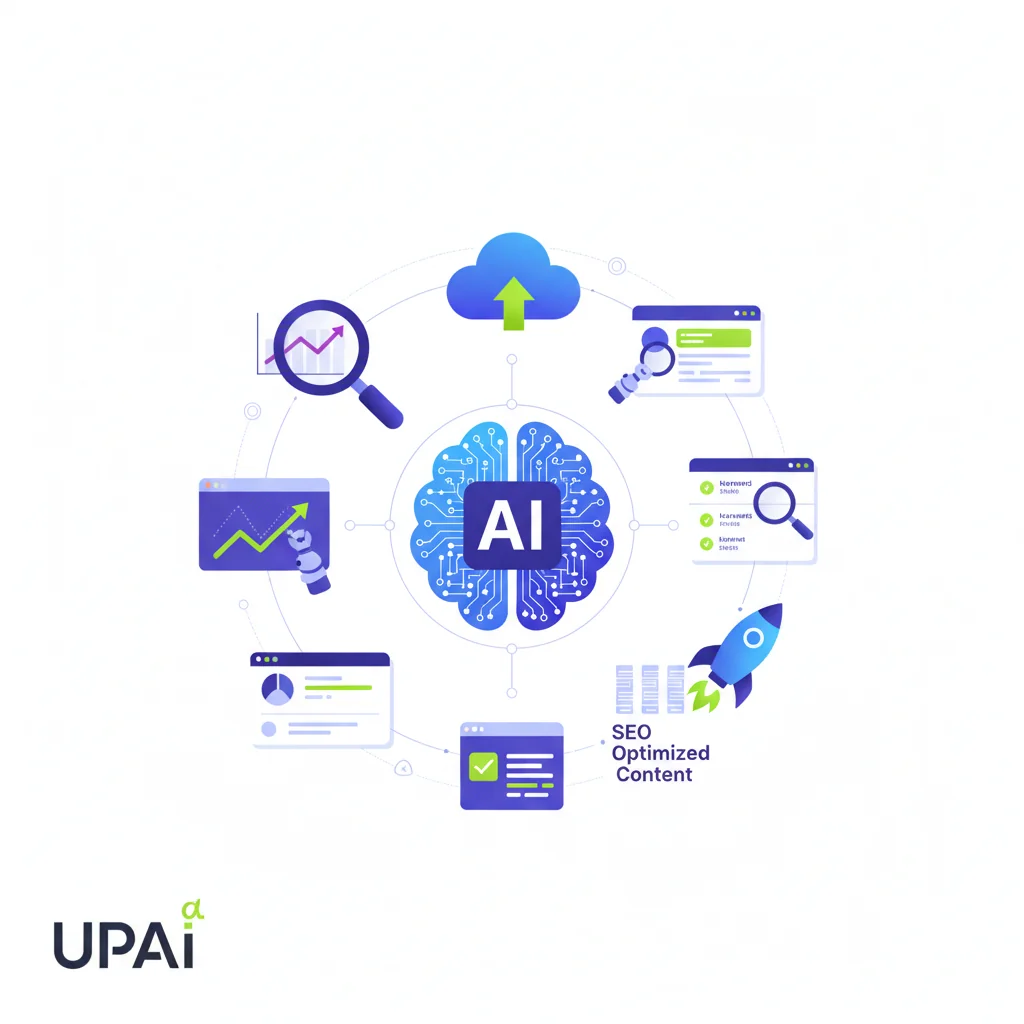
Predicting Content Performance and Adapting to Algorithms
AI search monitoring tools leverage machine learning to predict the potential performance of content, including its likelihood of ranking, estimated traffic, and even potential revenue. By analyzing historical data, competitor performance, and current SERP trends, AI can provide a probabilistic forecast for new or optimized content. This predictive capability enables content strategists to make more informed decisions about where to invest their resources, prioritizing content with the highest potential ROI.
Furthermore, AI helps in adapting to ongoing search engine algorithm changes. Rather than waiting for manual analysis after an algorithm update, AI systems can detect subtle shifts in ranking factors, changes in SERP layout, or new content preferences almost in real-time. This allows for proactive adjustments to content strategies, ensuring that websites remain compliant and competitive. This dynamic adaptation is crucial in an environment where search algorithms are constantly evolving, often with multiple updates per month. UPAI's Earn Calculator can complement these predictions by estimating potential blog monetization based on traffic and other factors.
Personalized Content Recommendations
Advanced AI search monitoring tools are increasingly moving towards providing personalized content recommendations, not just for the audience, but also for content creators themselves. Based on a website's existing content, performance data, and competitor analysis, AI can suggest specific content topics, formats, and optimization opportunities that are most likely to succeed. This goes beyond generic suggestions, tailoring recommendations to the unique strengths and weaknesses of a particular domain.
For instance, an AI might recommend creating a series of comparison articles if competitor analysis shows strong performance in that format, or suggest updating older blog posts that are losing ranking but still have high topical relevance. These personalized insights streamline the content planning process, ensuring that every new piece of content is strategically aligned with business goals and optimized for maximum impact. This level of personalization makes content strategy more efficient and effective, driving measurable improvements in organic search performance.
Implementing AI Search Monitoring for Optimal Performance
Implementing AI search monitoring effectively requires a structured approach, from initial setup and data interpretation to seamless integration into existing content workflows. Optimal performance is achieved when AI-driven insights are consistently translated into actionable strategies and continuous content refinement.
Setting Up Effective Tracking and Alerts
Effective implementation begins with meticulous setup of tracking parameters within your chosen AI search monitoring tool. This involves defining your target keywords, specifying geographical locations, selecting device types (desktop, mobile), and configuring competitor tracking. It is crucial to group keywords logically (e.g., by topic cluster, product category, or user intent) to facilitate meaningful analysis. Setting up custom alerts is equally important; these notifications inform you immediately of significant ranking changes, new SERP features for your target keywords, or sudden shifts in competitor performance. For instance, an alert for a 5+ position drop on a high-value keyword allows for rapid investigation and corrective action, minimizing potential traffic loss. This proactive monitoring ensures that you are always aware of critical changes in the search landscape affecting your content.
Interpreting AI-Generated Data for Actionable Insights
Interpreting AI-generated data correctly is the bridge between raw information and actionable insights. While AI tools process vast datasets and identify patterns, human expertise is essential to understand the "why" behind the data and formulate strategic responses. For example, an AI tool might highlight a sudden increase in competitor rankings for a specific keyword. The actionable insight comes from a human analyst investigating *why* this occurred—was it a new content piece, a successful link-building campaign, or an algorithm shift? This interpretation leads to concrete strategies such as developing a stronger piece of content, initiating a targeted outreach campaign, or adjusting on-page SEO. Dashboards and reports should be customized to emphasize the most relevant metrics for your specific goals, ensuring that critical data is easily digestible and informs decision-making.
Here are key steps for interpreting AI data:
- Contextualize Data: Always view AI insights within the broader context of your business goals and market trends.
- Identify Anomalies: Look for unexpected spikes or drops in performance that require deeper investigation.
- Correlate Data Points: Connect different data sets (e.g., keyword ranking with technical SEO issues) to uncover root causes.
- Prioritize Recommendations: Focus on AI-generated recommendations that offer the highest potential impact with feasible implementation.
- Validate with Qualitative Analysis: Supplement quantitative data with qualitative insights, such as manual SERP reviews or user feedback.
Integrating Insights into Content Creation Workflows
Integrating AI-driven insights seamlessly into content creation workflows is crucial for maximizing efficiency and impact. This means establishing clear processes for how data from monitoring tools informs content planning, brief creation, writing, and optimization. For example, when an AI tool identifies a high-potential content gap, that insight should automatically trigger the creation of a detailed content brief that includes target keywords, recommended word count, essential sub-topics, and competitor analysis. This brief then guides the content writer, ensuring the new piece is optimized from inception.
UPAI's suite of tools is designed to facilitate this integration, automating content creation and optimization based on SEO insights. For instance, once a topic is identified, UPAI can generate a draft that is then refined using the SEO Checker, Readability, and Keyword Density tools. For existing content, AI insights can trigger a content refresh cycle, where older articles are updated based on new keyword opportunities or changes in user intent. This continuous feedback loop ensures that content is always aligned with optimal SEO practices and user needs.
Monitoring AI-Generated Content Performance
Monitoring the performance of AI-generated content is an essential step to validate its effectiveness and further refine AI models and content strategies. Just like human-written content, AI-generated articles need to be tracked for their ranking positions, organic traffic, engagement metrics (e.g., bounce rate, time on page), and conversion rates. AI search monitoring tools are perfectly suited for this task, providing the necessary data to assess the success of AI-assisted content initiatives. For example, after publishing an article created with UPAI, you would use your AI search monitoring tool to track its keyword rankings, identify any sudden drops or gains, and compare its performance against human-written content on similar topics.
This monitoring process helps answer critical questions: Does AI-generated content rank as well as human-written content? Does it meet user intent? Are there specific types of content (e.g., informational vs. transactional) where AI performs better or worse? The insights gained from monitoring AI-generated content allow for continuous improvement of both the content itself and the AI tools used in its creation. This iterative process ensures that AI becomes an increasingly valuable asset in your content strategy, consistently delivering high-performing, SEO-optimized content.
Comparison of Leading AI Search Monitoring Tools
Choosing the right AI search monitoring tool depends on specific needs, budget, and the scale of operations. A comparative analysis of leading platforms highlights their distinct strengths in AI capabilities, pricing, and target users.
| Feature/Tool | Semrush | Ahrefs | Surfer SEO | Moz Pro | BrightEdge |
|---|---|---|---|---|---|
| Core AI Focus | Comprehensive SEO, Content & PPC insights, predictive analytics. | Backlink analysis, Keyword clustering, Content performance. | On-page content optimization, NLP-driven content briefs. | Domain Authority, Local SEO, Keyword difficulty prediction. | Enterprise SEO, Content recommendations, Opportunity forecasting. |
| Keyword Research (AI-Enhanced) | Extensive keyword database, intent analysis, topic research, keyword gap. | Massive keyword index, "Parent Topic" for intent, content gap. | NLP-driven keyword clusters, related questions, missing terms. | Keyword difficulty, SERP features, estimated CTR. | Data Cube for real-time demand, predictive keyword value. |
| Content Optimization (AI-Driven) | SEO Content Template, Writing Assistant (real-time suggestions). | Content Explorer for top-performing articles, content gap. | Content Editor (real-time scores, word count, headings, NLP). | On-page grader, site crawl for content issues. | Content recommendations, automated content briefs, performance tracking. |
| Competitor Analysis (AI-Powered) | Traffic analytics, organic research, ad research, brand monitoring. | Backlink analysis, organic keywords, content gap, PPC insights. | SERP analyzer for competitor content structure and terms. | Link Explorer, Keyword Gap, Domain Authority comparison. | Market share analysis, content strategy insights, opportunity gaps. |
| Technical SEO (AI-Assisted) | Site Audit (prioritized issues), Log File Analyzer. | Site Audit (prioritized issues, crawl reports). | Audit tool for on-page factors. | Site Crawl, on-page grader. | Technical SEO insights, crawl analysis, site health. |
| Reporting & Automation | Customizable dashboards, scheduled reports, project management. | Comprehensive dashboards, exportable data. | Content scores, audit reports. | Custom reports, rank tracking reports. | Advanced dashboards, attribution models, automated insights. |
| Target User / Niche | Digital marketing agencies, large businesses, content marketers. | SEO specialists, link builders, content strategists. | Content writers, SEO content optimizers, bloggers. | SMBs, local SEOs, agencies, reputation management. | Large enterprises, global brands, advanced SEO teams. |
| Pricing Model (General) | Subscription, tiered (Pro, Guru, Business). | Subscription, tiered (Lite, Standard, Advanced, Agency). | Subscription, tiered (Basic, Pro, Business). | Subscription, tiered (Standard, Medium, Large, Premium). | Enterprise-level custom pricing. |
This comparison highlights that while all these tools offer AI-enhanced search monitoring, their specific strengths and target audiences vary. Semrush and Ahrefs provide broad, powerful suites, with Semrush leaning more into content and PPC, and Ahrefs excelling in backlinks and keyword data. Surfer SEO is a specialist in on-page content optimization, making it ideal for content creators. Moz Pro offers robust foundational SEO with a strong emphasis on domain authority. BrightEdge is tailored for enterprise-level needs, providing extensive data and predictive capabilities for large-scale operations. The best choice ultimately aligns with your specific SEO goals and operational scale.
Common Mistakes to Avoid When Using AI Search Monitoring Tools
To maximize the benefits of AI search monitoring tools, it is crucial to avoid common pitfalls that can lead to suboptimal results, wasted resources, or misguided strategies. Effective utilization requires a balanced approach, combining AI's power with human strategic oversight.
Over-reliance Without Human Oversight
One of the most significant mistakes is over-relying on AI recommendations without critical human oversight. While AI excels at processing data and identifying patterns, it lacks the nuanced understanding of brand voice, specific business objectives, ethical considerations, and the creative context that human marketers possess. For instance, an AI might recommend a keyword that is technically high-volume but misaligned with your brand's values or target audience. Blindly following all AI suggestions without human review can lead to generic content, off-brand messaging, or even unintended negative consequences for your online reputation. Always use AI as a powerful assistant that augments human intelligence, not replaces it. Human expertise is essential for strategic decision-making and ensuring content quality and relevance.
Ignoring Foundational SEO Principles
Another common error is to believe that AI tools negate the need for foundational SEO principles. AI search monitoring tools enhance, but do not replace, the core tenets of SEO such as a well-structured website, fast loading speeds, mobile responsiveness, and a strong backlink profile. A website with significant technical issues will struggle to rank, regardless of how well its content is optimized by AI. Similarly, a site with a poor user experience will likely see high bounce rates, signaling to search engines that its content is not relevant, even if AI suggested its creation. AI tools are most effective when built upon a solid SEO foundation. Regularly auditing your site's technical health and user experience remains paramount, even with the most advanced AI tools at your disposal.
Failing to Customize AI for Specific Niches
AI tools, particularly those with broad applications, often provide generalized recommendations that may not be perfectly tailored to highly specific or niche markets. Failing to customize the AI's parameters, keyword lists, and competitive analysis for your unique niche can lead to irrelevant insights. For example, a global AI model might suggest keywords popular in a broad market, but those terms could be entirely different in a highly specialized industry or a specific geographical region. Users must actively configure their AI search monitoring tools to focus on their precise target audience, competitors, and industry-specific terminology. This fine-tuning ensures that the AI generates recommendations that are truly actionable and relevant to your unique business context, maximizing its utility.
Data Overload Paralysis
AI search monitoring tools generate vast amounts of data, and without a clear strategy for analysis, users can easily fall victim to data overload paralysis. This occurs when the sheer volume of metrics, charts, and recommendations becomes overwhelming, leading to inaction rather than informed decision-making. To avoid this, focus on the key performance indicators (KPIs) that directly align with your business objectives. Customize your dashboards to display only the most critical information and set up alerts for significant changes, rather than trying to monitor every single data point. Prioritize actionable insights and create a structured process for reviewing and acting on them. The goal is to leverage AI for clarity and direction, not to drown in data.
Neglecting the "Why" Behind the Data
AI tools are excellent at showing "what" is happening (e.g., rankings dropped, competitor gained traffic), but they often don't explicitly tell you "why." Neglecting to investigate the underlying causes behind AI-identified trends or anomalies is a critical mistake. For instance, if an AI tool reports a sudden decrease in organic traffic, simply knowing the decrease occurred is insufficient. A human analyst must delve deeper: Was it an algorithm update? A technical error on the site? New, strong competition? A shift in user intent? Understanding the "why" is essential for developing effective counter-strategies and preventing future issues. Always combine AI's diagnostic power with human analytical reasoning to uncover root causes and formulate strategic, sustainable solutions.
Conclusion: The Future of SEO is AI-Powered
The landscape of search engine optimization is undeniably shaped by artificial intelligence, and the best AI search monitoring tools are indispensable for any serious content marketer, SEO specialist, or blogger aiming for sustained online visibility and growth. These advanced platforms offer unparalleled insights into SERP performance, competitor strategies, and content optimization, transforming reactive SEO into a proactive, data-driven discipline. By leveraging AI for real-time tracking, predictive analytics, and deep content analysis, businesses can create highly relevant, authoritative content that consistently ranks at the top of search results.
The strategic implementation of these tools, coupled with critical human oversight, ensures that content strategies are not only efficient but also aligned with evolving user intent and algorithm changes. Avoiding common pitfalls and continuously refining your approach based on AI-generated insights will cement your position as an authority in your niche. As AI continues to advance, its role in SEO will only deepen, making proficiency with these tools a core competency for digital success in June 2026 and beyond.
Ready to streamline your content creation and optimize for top search rankings? Automate Your Blog with AI using UPAI's powerful suite of tools, and transform your content strategy into an unstoppable force.
Frequently Asked Questions
What is AI search monitoring?
How do AI search monitoring tools improve SEO?
What are the key features to look for in an AI search monitoring tool?
Can AI search monitoring tools predict future search trends?
Are AI search monitoring tools expensive?
Which AI search monitoring tools are considered the best in 2026?
Related Articles

Surfer SEO Review 2026: Optimize Your Content for Top Rankings
Our in-depth Surfer SEO review for June 2026 covers features, pricing, pros, and cons. Discover how this tool can elevate your on-page SEO and content strategy. Learn more!

Master Single Page SEO for Top Search Rankings in 2026
Unlock the power of single page SEO to drive targeted traffic. Learn strategies to optimize your content for AI search in 2026 and beyond. Start ranking higher today!

Top SEO Services Norfolk Businesses Need for Growth
Boost your Norfolk business with expert SEO services. We help you rank higher, attract more customers, and dominate the local market. Get started today!
More free AI tools from the same team
Grow your LinkedIn presence on autopilot. Try LinkedIn automation and AI content for free.
Read the Linkesy blogAsk AI about UPAI
Click your favorite assistant to learn more about us