
Attorney SEO: Boost Your Law Firm's Online Visibility

Attorney SEO is the strategic optimization of a law firm's online presence to improve its visibility in search engine results, directly connecting legal practices with potential clients actively seeking legal services. This specialized form of search engine optimization is crucial for law firms in 2026, as over 70% of individuals begin their search for legal assistance online, making a strong organic search presence a non-negotiable asset for client acquisition and sustained growth.
In a competitive digital landscape where legal expertise is highly sought after, traditional marketing methods are increasingly supplemented, if not overshadowed, by digital strategies. Implementing effective SEO for attorneys ensures that when a prospective client searches for "personal injury lawyer near me" or "estate planning attorney [city]," your firm appears prominently. This comprehensive guide details the essential components of attorney SEO, from foundational keyword research and on-page optimization to advanced technical SEO, local SEO tactics, and content marketing strategies, all designed to help law firms rank higher, attract qualified leads, and ultimately, grow their practice.
Key takeaways
- **Attorney SEO is indispensable for client acquisition:** A strong online presence via search engines is the primary method for potential clients to find legal services.
- **Keyword research must be hyper-local and intent-focused:** Identify specific legal terms potential clients use, often including geographic modifiers, to capture high-intent searches.
- **On-page optimization builds foundational relevance:** Optimize title tags, meta descriptions, content, and internal linking for both search engines and user experience.
- **Off-page SEO establishes authority and trust:** Secure high-quality backlinks and build a strong online reputation to signal credibility to search engines.
- **Local SEO is critical for geographic targeting:** Optimize your Google Business Profile and ensure NAP consistency across all online directories to attract local clients.
- **High-quality content drives organic traffic and demonstrates expertise:** Develop valuable, informative legal content that addresses client needs and positions your firm as an authority.
- **Technical SEO ensures site health and crawlability:** Maintain a fast, mobile-friendly website with proper structured data to facilitate search engine indexing and ranking.
What is Attorney SEO and Why is it Critical for Law Firms?
Attorney SEO is the specialized application of search engine optimization techniques tailored to law firms and legal professionals, focusing on increasing their visibility in search engine results pages (SERPs) for relevant legal queries. Its critical importance stems from the fact that a vast majority of potential clients now initiate their search for legal representation online, making a high organic search ranking a direct pathway to client acquisition.
This discipline encompasses a broad range of strategies designed to make a law firm's website discoverable by individuals actively seeking legal advice or services. Unlike general SEO, attorney SEO must navigate strict ethical guidelines, highly competitive keywords, and often, a strong local search intent. Firms that neglect SEO risk becoming invisible in an increasingly digital-first legal market, ceding valuable leads to competitors who have invested in their online presence.
Defining the Pillars of Attorney SEO
Attorney SEO is not a single tactic but a comprehensive strategy built upon several interconnected pillars, each contributing to a stronger online presence and improved search engine rankings. Understanding these components is the first step toward developing an effective SEO strategy.
- On-Page SEO: This involves optimizing elements directly on a law firm's website, such as content, title tags, meta descriptions, header tags, and internal links. The goal is to make individual web pages highly relevant and user-friendly for both search engines and human visitors. For example, optimizing a page for "divorce lawyer Miami" would involve using that phrase naturally in the content, title, and headers.
- Off-Page SEO: These are actions taken outside of a law firm's website to impact its search engine rankings, primarily through building authority and trust. The most significant component is backlink building, where other reputable websites link back to the law firm's site. Guest posting on legal blogs, securing mentions in industry publications, and participating in online legal communities are common strategies.
- Technical SEO: This pillar focuses on improving the technical aspects of a website to help search engines crawl, index, and render it more effectively. Key considerations include site speed, mobile-friendliness, site architecture, XML sitemaps, robots.txt files, and structured data implementation. A technically sound website provides a better user experience and signals reliability to search engines.
- Local SEO: Crucial for law firms that serve specific geographic areas, local SEO aims to rank higher in local search results and on Google Maps. This involves optimizing a Google Business Profile (GBP), ensuring consistent Name, Address, Phone (NAP) information across online directories, and acquiring local citations and reviews. For instance, a search for "personal injury attorney San Diego" heavily relies on local SEO factors.
- Content Marketing: This involves creating and distributing valuable, relevant, and consistent content to attract and retain a clearly defined audience. For law firms, this means developing informative blog posts, legal guides, case studies, and FAQs that address potential clients' questions and concerns. High-quality content establishes expertise, builds trust, and provides ample opportunities for keyword targeting.
Comparison of Core SEO Pillars for Law Firms
Understanding the distinct focus and primary goals of each SEO pillar is crucial for a balanced and effective strategy.
| SEO Pillar | Primary Focus | Key Activities | Main Goal for Law Firms |
|---|---|---|---|
| On-Page SEO | Elements directly on your website | Content optimization, title tags, meta descriptions, header structure, internal linking, URL structure | Increase relevance for specific keywords, improve user experience, drive organic traffic to specific pages |
| Off-Page SEO | External signals, outside your website | Backlink acquisition, brand mentions, online reputation management | Build website authority and trust, improve domain rating, enhance overall search engine ranking |
| Local SEO | Geographically specific search results | Google Business Profile optimization, NAP consistency, local citations, online reviews | Attract local clients, rank in the Google Local Pack, drive local foot traffic and calls |
| Technical SEO | Website infrastructure and performance | Site speed, mobile-friendliness, SSL, XML sitemaps, structured data, crawlability | Ensure search engines can efficiently crawl and index the site, provide a seamless user experience |
The Indisputable Case for Attorney SEO in 2026
The digital transformation of client acquisition in the legal industry is complete. Ignoring SEO is akin to not having a phone number a decade ago—it severely limits your firm's accessibility and growth potential. Here's why attorney SEO is not optional but essential:
- Dominant Client Acquisition Channel: Over 70% of individuals seeking legal services start their journey with an online search. Firms that rank highly capture this immediate intent, converting searchers into consultations.
- Building Trust and Credibility: High search rankings are often perceived as a mark of authority and trustworthiness. When a law firm consistently appears at the top of SERPs, it instills confidence in potential clients that the firm is reputable and knowledgeable.
- Cost-Effectiveness Compared to Paid Ads: While paid advertising (PPC) offers immediate visibility, organic SEO provides a sustainable, long-term stream of traffic that, once established, can be more cost-effective. Organic traffic often converts at higher rates because users trust organic results more than ads.
- Competitive Advantage: The legal market is saturated. Firms that invest in robust SEO strategies outrank competitors who either neglect SEO or implement it poorly. This translates directly to a larger market share and a stronger pipeline of qualified leads.
- Targeted Client Reach: SEO allows firms to precisely target clients based on their specific legal needs and geographic location. By optimizing for niche legal terms and local modifiers, firms attract individuals who are most likely to convert into clients.
- 24/7 Marketing Presence: Unlike traditional advertising, a well-optimized website works around the clock, continuously attracting and informing potential clients, even outside of business hours.
In essence, attorney SEO is about ensuring your law firm is found by the right people, at the right time, with the right message. It's a foundational investment in the future growth and stability of any legal practice.
How Do You Conduct Effective Keyword Research for Legal Services?
Effective keyword research for legal services involves identifying the specific terms and phrases that potential clients use when searching for legal assistance, focusing heavily on user intent and geographic relevance. This process is fundamental to attorney SEO, as it dictates the language, topics, and structure of your website content, ensuring it aligns with what your target audience is actively seeking.
Without proper keyword research, a law firm's SEO efforts are essentially blind, leading to content that fails to attract qualified traffic. The goal is not just to find high-volume keywords, but to uncover keywords that indicate a strong intent to hire an attorney, often characterized by specific legal problems and local modifiers.
Understanding Legal Keyword Types and Intent
Before diving into tools, it's crucial to categorize legal keywords by the user's intent. This understanding helps tailor content to meet specific needs.
-
Informational Keywords: Users are seeking information or answers to questions.
- Examples: "what happens after a car accident," "how to get a divorce in California," "is a will necessary."
- Content type: Blog posts, FAQs, legal guides, educational resources.
-
Navigational Keywords: Users are trying to find a specific website or brand.
- Examples: "[Law Firm Name] website," "[Attorney Name] contact."
- Content type: Homepage, contact page, attorney profiles.
-
Transactional/Commercial Keywords: Users are looking to hire or engage with a service, indicating high commercial intent.
- Examples: "personal injury lawyer near me," "best real estate attorney [city]," "hire criminal defense lawyer."
- Content type: Service pages, landing pages, "contact us" pages. These are the most valuable for client acquisition.
Step-by-Step Legal Keyword Research Process
Executing thorough keyword research requires a systematic approach. The following steps ensure comprehensive coverage and identification of high-value keywords:
-
Brainstorm Seed Keywords: Start with broad terms related to your practice areas. Think like a potential client.
- Examples: "divorce," "car accident," "estate planning," "business law," "DUI."
-
Leverage Keyword Research Tools: Utilize tools to expand your list, analyze search volume, competition, and identify long-tail variations.
- Google Keyword Planner: Free tool from Google, provides search volume and related keywords.
- Competitor Analysis: Analyze what keywords your successful competitors are ranking for. Tools like Ahrefs or Semrush can reveal their top-performing keywords.
- Google Search Console: Provides insights into keywords you already rank for and those bringing traffic.
- People Also Ask (PAA) & Related Searches: These sections in Google SERPs offer valuable insights into common user questions and related topics.
-
Prioritize Local and Geo-Specific Keywords: For law firms, geographic targeting is paramount. Append city, county, or state names to your keywords.
- Examples: "personal injury lawyer Los Angeles," "estate planning attorney Chicago," "DUI defense lawyer Miami-Dade County."
- Consider "near me" searches, which Google automatically geo-locates.
-
Identify Long-Tail Keywords: These are longer, more specific phrases (3+ words) with lower search volume but often higher conversion rates due to clear user intent.
- Examples: "how much does a divorce cost in Texas," "best motorcycle accident lawyer downtown Seattle," "what are my rights after a slip and fall."
- These keywords are less competitive and easier to rank for.
- Analyze Search Intent: For each potential keyword, perform a Google search to understand what kind of content currently ranks. Does Google show informational articles, service pages, or local listings? This reveals the primary intent behind the keyword.
- Assess Keyword Difficulty and Search Volume: Balance potential traffic with the feasibility of ranking. High-volume, high-difficulty keywords require more effort, while lower-volume, lower-difficulty long-tail keywords can provide quicker wins.
- Map Keywords to Content: Assign specific keywords or keyword clusters to existing or new pages on your website. Each core service page should target a primary transactional keyword, while blog posts can target informational and long-tail keywords.
Leveraging UPAI Tools for Keyword Research Efficiency
While UPAI focuses on content creation and optimization, certain tools can indirectly support your keyword strategy, particularly in analyzing how keywords are implemented.
- Keyword Density Tool: After drafting content based on your keyword research, use this tool to analyze the frequency and distribution of your target keywords. It helps ensure natural integration without keyword stuffing, which can harm your rankings. Aim for a natural density that feels organic to a human reader.
- Headline Analyzer: Once you have identified your target keywords, use them in compelling headlines. This tool helps you craft headlines that are both SEO-friendly and engaging for users, improving click-through rates from SERPs.
By meticulously conducting keyword research, law firms can create a robust content strategy that directly addresses the needs of their target audience, leading to increased organic visibility and client acquisition.

What Are the Core On-Page SEO Strategies for Lawyer Websites?
Core on-page SEO strategies for lawyer websites involve optimizing all elements directly on a web page to improve its relevance and user experience for specific legal queries, thereby enhancing its search engine ranking. These strategies include meticulous attention to content quality, strategic keyword placement, and technical HTML optimizations that signal to search engines the page's topic and value.
Effective on-page SEO ensures that when a search engine crawls a law firm's website, it clearly understands what the page is about and how it is relevant to user searches. This foundational work directly impacts organic visibility and click-through rates, making it a critical component of any successful attorney SEO campaign.
Essential On-Page Elements for Legal Content
Optimizing individual web pages for search engines and users requires a detailed approach to several key elements:
-
Title Tags: The title tag is one of the most important on-page SEO factors. It appears in the browser tab and as the clickable headline in SERPs.
- Best Practice: Include your primary target keyword at the beginning, followed by your law firm's name or a compelling value proposition. Keep it concise, ideally under 60 characters, to prevent truncation.
- Example: "Personal Injury Lawyer | [City] | [Law Firm Name]"
-
Meta Descriptions: While not a direct ranking factor, a well-crafted meta description significantly influences click-through rates (CTR) from SERPs.
- Best Practice: Summarize the page's content, include your target keyword, and provide a compelling call to action. Aim for 150-160 characters.
- Example: "Injured in [City]? Our experienced personal injury lawyers fight for maximum compensation. Free consultation. Call us today!"
- Use UPAI's SERP Preview tool to visualize how your title tag and meta description will appear in Google search results before publishing. This helps you optimize for visual impact and character limits.
-
Header Tags (H1, H2, H3): These HTML tags structure your content, making it scannable for both users and search engines.
- H1 Tag: There should be only one H1 tag per page, representing the main topic. It should usually contain your primary target keyword.
- H2 and H3 Tags: Use these to break down your content into logical sub-sections, incorporating secondary keywords and related phrases. This improves readability and keyword relevance.
-
High-Quality Content: This is the cornerstone of on-page SEO. Content must be comprehensive, accurate, valuable, and directly address the user's search intent.
- Depth and Detail: For legal topics, detailed explanations, examples, and discussions of relevant laws or precedents establish authority.
- Originality: Avoid duplicate content. Ensure all content is unique and provides fresh value.
- Keyword Integration: Naturally weave your target keywords and semantic variations throughout the content. Avoid keyword stuffing, as this can lead to penalties. Use UPAI's Keyword Density tool to analyze keyword usage and ensure natural integration.
- Readability: Legal content can be complex, but it should still be accessible. Use clear language, short sentences, and paragraphs. Employ bullet points and numbered lists to break up text. Check your content's readability score with UPAI's Readability tool to ensure it's easy for your target audience to understand.
-
URL Structure: Create short, descriptive, and keyword-rich URLs that are easy to understand for both users and search engines.
- Example:
yourfirm.com/practice-area/personal-injury-lawyer-cityinstead ofyourfirm.com/?p=123.
- Example:
-
Internal Linking: Link relevant pages within your own website. This helps distribute "link equity" (ranking power), guides users to related content, and helps search engines discover new pages.
- Best Practice: Use descriptive anchor text that includes keywords relevant to the linked page. For example, "learn more about our divorce law services."
-
Image Optimization: Optimize images for faster loading and better search engine understanding.
- File Size: Compress images without sacrificing quality.
- Alt Text: Provide descriptive alt text for images, incorporating keywords where natural. This aids accessibility and helps search engines understand image content.
The Role of User Experience (UX) in On-Page SEO
Google increasingly prioritizes user experience as a ranking factor. A positive UX signals to search engines that your website is valuable and trustworthy. Key UX elements to consider include:
- Mobile-Friendliness: Ensure your website is responsive and functions flawlessly on all devices, especially smartphones. Google uses mobile-first indexing, meaning the mobile version of your site is the primary one used for ranking.
- Page Speed: Slow-loading pages frustrate users and negatively impact rankings. Optimize images, leverage browser caching, and consider a Content Delivery Network (CDN). You can use UPAI's SEO Checker to get an instant analysis of your page's speed and other critical SEO metrics.
- Clear Calls to Action (CTAs): Guide potential clients toward the next step, such as "Schedule a Free Consultation," "Contact Us Today," or "Download Our Legal Guide."
- Navigational Ease: A clear, intuitive website navigation structure helps users find information quickly and encourages them to explore more pages.
By meticulously optimizing these on-page elements, law firms can significantly improve their organic search performance, attracting more qualified leads and establishing their online authority.
How Can Off-Page SEO Build Authority for Law Firms?
Off-page SEO builds authority for law firms by establishing their credibility and trustworthiness through external signals that originate outside their website, primarily through high-quality backlinks from reputable sources. These external endorsements act as votes of confidence for search engines, indicating that the law firm's website is a valuable and authoritative resource within the legal sphere.
While on-page SEO optimizes what you control directly on your site, off-page SEO focuses on what others say about your firm online. A strong off-page profile is essential for competing in highly competitive legal markets, signaling to Google that your firm is a recognized and respected entity, which directly contributes to higher search rankings and increased organic traffic.
The Cornerstone of Off-Page SEO: Backlinks
Backlinks are links from other websites to your law firm's site. They are arguably the most critical off-page SEO factor. Not all backlinks are created equal; quality and relevance far outweigh quantity.
- Quality Over Quantity: A single backlink from a highly authoritative legal news site or government domain is far more valuable than dozens of links from low-quality, irrelevant websites. Google's algorithms are sophisticated enough to identify and devalue spammy links.
- Relevance: Links from websites related to the legal industry (e.g., legal blogs, bar associations, law school directories, legal news sites) carry more weight than those from unrelated industries.
- Anchor Text: The clickable text of a hyperlink is called anchor text. Using descriptive, keyword-rich anchor text (e.g., "personal injury attorney Miami") helps search engines understand the context of the linked page. However, over-optimizing anchor text can appear manipulative, so a natural mix is best.
Ethical Backlink Building Strategies for Law Firms
Building high-quality backlinks requires genuine effort and strategic outreach. Avoid "black hat" SEO tactics like buying links, which can lead to severe penalties.
-
Content Marketing for Link Earning: Create exceptional, shareable content that other legal professionals, journalists, or organizations would naturally want to link to. This includes:
- In-depth legal guides or whitepapers.
- Original research or data relating to legal trends.
- Case studies (with client permission).
- Expert commentary on current legal news.
- Guest Blogging: Offer to write valuable content for other reputable legal blogs, industry websites, or news publications. In return, you can often include a link back to your firm's website in your author bio or within the content itself.
- Broken Link Building: Identify broken links on authoritative legal websites. Reach out to the site owner, inform them of the broken link, and suggest your relevant content as a replacement.
- Unlinked Mentions: Use tools to find mentions of your firm, attorneys, or unique insights on other websites that don't currently link back to you. Politely request that they convert the mention into a hyperlink.
- Legal Directories and Professional Associations: Secure listings in highly reputable legal directories (e.g., Avvo, FindLaw, Justia, Lawyers.com) and professional organizations (e.g., state bar associations). These provide valuable foundational backlinks and citations.
- Local Sponsorships and Community Involvement: Sponsoring local events, charities, or sports teams can sometimes result in a link from the organization's website, further bolstering local relevance.
Beyond Backlinks: Other Off-Page Signals
While backlinks are paramount, other off-page factors contribute to a law firm's online authority:
- Brand Mentions: Even unlinked mentions of your law firm's name or key attorneys on reputable websites can signal brand strength to search engines. Consistent, positive mentions contribute to overall brand authority.
- Social Signals (Indirect): While social media shares and likes are not direct ranking factors, they can indirectly contribute to SEO by increasing content visibility, driving traffic to your site, and increasing the likelihood of earning backlinks. Active engagement on platforms like LinkedIn can also enhance professional reputation.
- Online Reviews and Ratings: Especially critical for local SEO, positive reviews on platforms like Google Business Profile, Avvo, and Yelp build trust and improve local search rankings. Actively encourage satisfied clients to leave reviews and respond professionally to all feedback.
- Local Citations: Consistent Name, Address, Phone (NAP) information across numerous online directories (e.g., Yelp, Yellow Pages, local chambers of commerce) is vital for local SEO. Inconsistent NAP data can confuse search engines and dilute local ranking signals.
A holistic off-page SEO strategy for law firms involves a continuous effort to earn high-quality backlinks, manage online reputation, and ensure consistent brand presence across the web. This multi-faceted approach collectively boosts a firm's authority, leading to improved search engine rankings and a stronger online presence.
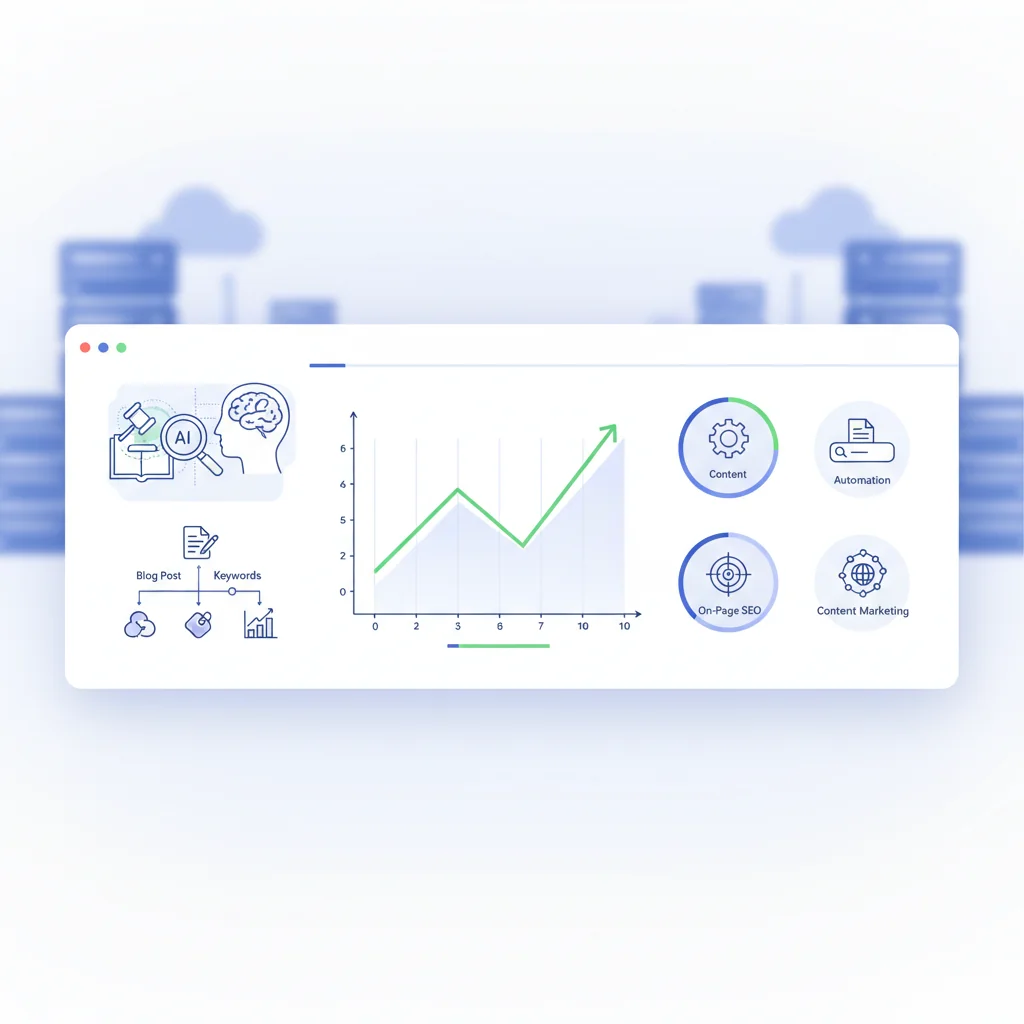
What Role Does Local SEO Play in Attracting Legal Clients?
Local SEO plays a paramount role in attracting legal clients by optimizing a law firm's online presence to appear prominently in search results for geographically specific queries, such as "personal injury lawyer near me" or "divorce attorney [city]". For law firms, whose client base is predominantly localized, excelling in local SEO directly translates to increased visibility for high-intent potential clients within their service area.
In 2026, Google's local pack (the map results with 3 businesses) often dominates the top of SERPs for local legal searches, making local SEO a critical factor for any firm seeking to capture clients from their immediate vicinity. Without a strong local SEO strategy, even a top-tier law firm might remain invisible to the local community it aims to serve.
Key Components of a Robust Local SEO Strategy for Law Firms
Attracting local clients requires specific actions designed to signal your geographic relevance and trustworthiness to search engines.
-
Google Business Profile (GBP) Optimization: This is the single most important local SEO factor. Your GBP listing controls how your firm appears in Google Maps and the local pack.
- Claim and Verify: Ensure your listing is claimed and verified.
- Complete All Information: Fill out every section accurately and comprehensively, including business hours, services offered, photos, and a detailed description.
- Primary and Secondary Categories: Select the most precise legal categories for your practice (e.g., "Personal Injury Attorney," "Family Law Attorney").
- Service Areas: Clearly define the geographic areas your firm serves.
- Regular Updates: Post updates, offers, and events regularly.
- Photos and Videos: Upload high-quality images of your office, team, and exterior.
- Name, Address, Phone (NAP) Consistency: Ensure your firm's Name, Address, and Phone number are identical across all online platforms—your website, GBP, social media profiles, and all online directories. Inconsistencies confuse search engines and erode trust.
-
Local Citations: These are mentions of your business's NAP information on other websites, even without a direct link.
- High-Quality Directories: List your firm on reputable legal directories (e.g., Avvo, Justia, FindLaw, Lawyers.com, Nolo) and general business directories (e.g., Yelp, Yellow Pages, local chambers of commerce).
- Industry-Specific Listings: Explore niche legal directories relevant to your practice areas.
-
Online Reviews and Ratings: Reviews are powerful trust signals for both potential clients and search engines.
- Encourage Reviews: Implement a system to politely ask satisfied clients for reviews on Google, Avvo, and other relevant platforms.
- Respond to All Reviews: Respond professionally to both positive and negative reviews. This demonstrates engagement and client care.
- Manage Negative Reviews: Address concerns constructively and offer solutions offline.
-
Geo-Targeted Website Content: Create content specifically tailored to local legal issues and include geographic keywords.
- Service Pages for Specific Cities/Counties: If you serve multiple locations, create dedicated service pages for each. Example: "DUI Lawyer San Diego," "DUI Lawyer Chula Vista."
- Local Blog Posts: Write about local legal news, community events with legal implications, or common legal issues in your area.
- Location Pages: For multi-office firms, create dedicated pages for each office location with unique content, GBP embeds, and local testimonials.
-
Local Link Building: Acquire backlinks from other local businesses, organizations, or news outlets. This reinforces your local relevance.
- Sponsor local events or charities.
- Participate in local business associations.
- Collaborate with complementary local businesses (e.g., chiropractors for personal injury firms).
- Structured Data (Schema Markup): Implement schema markup (specifically LocalBusiness schema) on your website to provide search engines with explicit information about your firm's name, address, phone number, hours, and services. This helps search engines display rich results.
The Local Pack and Its Impact
The "local pack" or "3-pack" is a highly visible section at the top of Google's search results, displaying a map and three local businesses relevant to a geographic search query. Ranking in the local pack provides immense visibility and drives a significant volume of direct calls and website visits. Factors influencing local pack rankings include:
- Relevance: How well your GBP listing and website content match the search query.
- Distance: How close your business is to the searcher's location (or the location specified in the query).
- Prominence: How well-known your business is, based on factors like review count and score, links, and overall web presence.
For law firms, mastering local SEO is not just an advantage; it's a necessity for connecting with the immediate community and securing new clients in a highly competitive market. Consistent effort across GBP optimization, NAP consistency, and local content creation will yield significant returns.
How Do Content Marketing and Blog Posts Drive Legal SEO Success?
Content marketing, particularly through informative and strategic blog posts, drives legal SEO success by establishing a law firm's expertise, attracting organic traffic for a wide range of legal queries, and nurturing potential clients through the legal decision-making process. By creating valuable content, law firms can answer common legal questions, demonstrate thought leadership, and naturally integrate keywords that improve search engine visibility.
In 2026, content is no longer just about keywords; it's about providing genuine value and solving user problems. A robust content marketing strategy allows law firms to cast a wider net in search results, capturing both informational and transactional search intent, which ultimately leads to increased brand awareness and client conversions.
The Strategic Pillars of Legal Content Marketing
Effective content marketing for law firms goes beyond simply writing blog posts; it involves a strategic approach to topic selection, content creation, and distribution.
-
Demonstrating Expertise and Authority (E-E-A-T): High-quality legal content showcases your firm's deep knowledge and experience. This builds trust with both potential clients and search engines, which value expertise, experience, authoritativeness, and trustworthiness (E-E-A-T).
- Expertise: Content written by or clearly attributed to qualified legal professionals.
- Experience: Sharing practical insights derived from real-world legal practice (without violating client confidentiality).
- Authoritativeness: Being recognized as a leading voice in specific legal niches.
- Trustworthiness: Providing accurate, unbiased, and helpful information.
Technical SEO: Ensuring Your Law Firm Website's Foundation is Solid
While content and links often grab the spotlight, the underlying technical health of your law firm's website is equally critical for SEO success. Technical SEO refers to the optimization of your website's infrastructure to help search engine crawlers efficiently access, crawl, interpret, and index your pages. A technically sound website provides a robust foundation, allowing your on-page and off-page efforts to achieve their full potential. Without this foundation, even the most compelling content may struggle to rank.
Site Speed and Core Web Vitals
In today's fast-paced digital world, users expect websites to load almost instantly. Google, recognizing this user preference, has incorporated page speed and user experience metrics, collectively known as Core Web Vitals, into its ranking algorithm. For law firms, a slow website can lead to high bounce rates, frustrated potential clients, and lower search rankings. Core Web Vitals measure three specific aspects of user experience:
- Largest Contentful Paint (LCP): Measures loading performance. It should occur within 2.5 seconds of when the page first starts loading.
- First Input Delay (FID): Measures interactivity. It should be less than 100 milliseconds.
- Cumulative Layout Shift (CLS): Measures visual stability. It should maintain a CLS of less than 0.1.
To improve your site's speed and Core Web Vitals, consider optimizing images, leveraging browser caching, minimizing CSS and JavaScript, using a Content Delivery Network (CDN), and choosing a reliable hosting provider. Regular audits using tools like Google PageSpeed Insights can help identify specific areas for improvement.
Mobile-Friendliness and Responsive Design
With an increasing number of potential clients searching for legal services on their smartphones and tablets, a mobile-friendly website is no longer optional – it's a necessity. Google predominantly uses the mobile version of your content for indexing and ranking, a practice known as mobile-first indexing. If your site isn't optimized for mobile, you risk alienating a significant portion of your audience and suffering in search rankings.
Responsive web design is the industry standard for achieving mobile-friendliness. It ensures that your website automatically adjusts its layout, images, and text to fit any screen size, providing an optimal viewing and interaction experience across all devices. Test your site's mobile-friendliness using Google's Mobile-Friendly Test tool and ensure that navigation is intuitive, text is readable without zooming, and clickable elements are appropriately spaced on smaller screens.
Structured Data (Schema Markup) for Legal Services
Structured data, also known as schema markup, is a standardized format for providing information about a webpage and classifying its content. By adding specific code to your website, you can help search engines better understand the context of your content, leading to richer search results (rich snippets) and improved visibility. For law firms, structured data can be particularly powerful.
Relevant schema types for law firms include:
OrganizationorLocalBusiness: To provide details about your firm, including address, phone number, and opening hours.AttorneyorLegalService: To describe specific legal professionals and the services they offer.FAQPage: For frequently asked questions sections, allowing them to appear directly in search results.RevieworAggregateRating: To display client reviews and star ratings, building trust and credibility.
Implementing schema markup can help your firm stand out in search results, potentially increasing click-through rates by offering users more informative and appealing snippets. Use Google's Rich Results Test to validate your schema implementation.
Website Architecture, Navigation, and URL Structure
A well-organized website architecture and logical URL structure are crucial for both user experience and search engine crawlability. Search engines prefer sites that are easy to navigate and understand, as this indicates a better user experience. For law firms, a clear structure helps potential clients find the specific legal information or services they need quickly.
Key considerations for website architecture and URL structure:
- Logical Hierarchy: Organize your content into clear categories and subcategories (e.g., Home > Practice Areas > Personal Injury > Car Accidents).
- Intuitive Navigation: Ensure your main menu is easy to find and use, with clear labels. Use breadcrumbs to help users and search engines understand their location within the site.
- Flat Architecture: Aim for a relatively "flat" site structure where important pages are only a few clicks away from the homepage, allowing search engine crawlers to discover them easily.
- Descriptive URLs: Use short, keyword-rich, and human-readable URLs (e.g.,
yourfirm.com/practice-areas/personal-injury/car-accidents) rather than cryptic strings of numbers and symbols. Avoid excessive subdirectories. - XML Sitemaps: Create and submit an XML sitemap to Google Search Console. This file lists all the important pages on your site, helping search engines crawl and index them more efficiently.
Security (HTTPS) and Accessibility
Website security is paramount, especially for law firms that handle sensitive client information. Google has long confirmed that HTTPS (Hypertext Transfer Protocol Secure) is a ranking signal. An SSL certificate encrypts data transmitted between a user's browser and your website, protecting privacy and building trust. Most modern browsers will display a "Not Secure" warning for HTTP sites, which can deter potential clients.
Beyond security, website accessibility is gaining increasing importance. An accessible website is designed to be usable by people with disabilities, including those with visual, auditory, motor, or cognitive impairments. Adhering to Web Content Accessibility Guidelines (WCAG) not only broadens your potential client base but also signals to search engines that your site provides a high-quality user experience for all. This includes using alt text for images, clear heading structures, keyboard navigation, and proper color contrast. Ensuring your law firm's website is secure and accessible demonstrates professionalism and commitment to all users, which indirectly supports your SEO efforts.
Measuring Success: Tracking and Analyzing Your Law Firm's SEO Performance
Effective SEO is not a one-time task; it's an ongoing process that requires continuous monitoring, analysis, and adaptation. To understand whether your SEO efforts are yielding the desired results and to identify areas for improvement, law firms must establish robust tracking and reporting mechanisms. By regularly analyzing key performance indicators (KPIs), you can make data-driven decisions that refine your strategy and maximize your return on investment.
Essential SEO Tools for Lawyers
A range of tools is available to help law firms track their SEO performance. While many advanced paid options exist, several free and indispensable tools form the backbone of any SEO measurement strategy:
- Google Analytics 4 (GA4): This comprehensive web analytics service tracks website traffic, user behavior, conversion events, and more. GA4 provides deep insights into how users interact with your site, where they come from, and what content resonates most.
- Google Search Console (GSC): GSC is Google's direct communication channel with website owners. It provides crucial data on how your site performs in Google Search results, including keyword rankings, impressions, clicks, crawl errors, indexing status, and mobile usability issues. It's essential for identifying technical SEO problems and understanding your organic visibility.
- Google Business Profile (GBP) Insights: For local SEO, GBP Insights (formerly Google My Business Insights) offers valuable data on how clients find your business on Google Maps and Search, including views, searches, calls, website visits, and direction requests.
- Google PageSpeed Insights: Helps analyze and report on the performance of a page on both mobile and desktop devices, offering suggestions for improvement based on Core Web Vitals.
Beyond these foundational Google tools, many law firms also utilize third-party SEO platforms like Semrush, Ahrefs, Moz, or SpyFu for competitive analysis, advanced keyword research, backlink analysis, and rank tracking. These tools can provide a more holistic view of your SEO landscape and competitor strategies.
Key Performance Indicators (KPIs) for Legal SEO
To effectively measure your SEO success, it's vital to focus on the right metrics. Not all traffic is good traffic, and not all rankings translate into clients. Here are the most critical KPIs for law firms to monitor:
KPI Description Why It Matters for a Law Firm Organic Traffic Number of visitors who arrive at your website directly from search engine results (not paid ads). Indicates your overall visibility and reach to potential clients actively searching for legal services. A growing trend signifies successful SEO. Keyword Rankings The position of your website in search engine results pages (SERPs) for specific target keywords. Shows how well you're competing for the terms potential clients use. Higher rankings for relevant keywords usually lead to more traffic. Conversion Rate The percentage of website visitors who complete a desired action, such as filling out a contact form, making a phone call, or scheduling a consultation. The ultimate measure of SEO effectiveness. It directly reflects how many website visitors are turning into qualified leads or potential clients. Bounce Rate The percentage of visitors who navigate away from your site after viewing only one page. A high bounce rate can indicate that visitors aren't finding what they expect, perhaps due to irrelevant content, poor user experience, or slow loading times. Time on Page / Session Duration The average amount of time visitors spend on a specific page or across multiple pages during a single visit. Suggests user engagement and the value of your content. Longer durations often correlate with higher interest and better content quality. Local Pack Rankings Your law firm's visibility within Google's local 3-pack or map results for local searches. Crucial for attracting local clients. High local rankings drive calls, directions, and website visits from geographically relevant searches. Interpreting Data and Making Informed Decisions
Collecting data is only the first step; the real value comes from interpreting it to inform your strategy. Regularly review your KPIs and look for trends, anomalies, and opportunities. For instance, a drop in organic traffic might point to a recent algorithm update or a technical issue. A low conversion rate despite high traffic could indicate a problem with your website's user experience or call-to-actions.
Here’s how to approach data interpretation:
- Set Baselines: Understand your current performance before implementing new strategies.
- Segment Data: Look at data by device (mobile vs. desktop), location, landing page, and traffic source to identify specific strengths and weaknesses.
- Identify Patterns: Are certain blog posts consistently driving traffic? Are specific practice area pages leading to more consultations?
- A/B Test: Experiment with different headlines, call-to-actions, or page layouts to see what performs best.
- Competitive Analysis: Use tools to see what keywords your competitors rank for and where they get their backlinks.
- Regular Reporting: Establish a routine for reviewing reports (monthly or quarterly) to track progress against your goals and adapt your SEO strategy as needed.
By diligently tracking and analyzing your law firm's SEO performance, you transform abstract efforts into measurable results, ensuring your marketing budget is spent wisely and effectively attracts the right clients to your practice.
Ethical SEO for Attorneys: Navigating Professional Responsibility Online
For law firms, SEO is not just about rankings and traffic; it's also about upholding professional ethics and maintaining the integrity of the legal profession. Attorney advertising and solicitation are heavily regulated by state bar associations, and these rules extend to a firm's online presence and SEO practices. Navigating these ethical considerations is paramount to avoid disciplinary actions, protect your firm's reputation, and build lasting trust with clients.
Adherence to Bar Association Advertising Rules
Each state's bar association has specific rules governing attorney advertising, and these rules apply to your website, blog content, social media, and any other online marketing efforts. While the specifics vary by jurisdiction, common themes include:
- Accuracy and Truthfulness: All content, claims, and representations must be accurate and not misleading. Avoid exaggerated claims about results, experience, or expertise.
- Disclaimers: Many states require specific disclaimers for attorney advertising, such as "Past results do not guarantee future outcomes" or "Attorney advertising." These often need to be prominently displayed on your website.
- Jurisdictional Limitations: Clearly state the jurisdictions in which your attorneys are licensed to practice. Avoid implying the ability to practice law in states where you are not authorized.
- Designation of Responsible Attorney: Some rules require identifying the attorney responsible for the content of the advertisement.
- No Solicitation: Rules often prohibit direct, in-person, or live telephone solicitation of prospective clients, especially those who may be vulnerable. While SEO is generally considered indirect advertising, ensure your calls-to-action are not overly aggressive or coercive.
It is critical for law firms to consult their specific state bar's rules of professional conduct and, if necessary, seek guidance from legal ethics counsel to ensure full compliance with all online marketing activities. Ignorance of the rules is not an excuse.
Transparent and Accurate Representation
The core principle of ethical legal SEO is transparency. Your website and online content should accurately represent your firm's services, experience, and capabilities. This means:
- Avoid Misleading Claims: Do not guarantee outcomes, claim to be "the best" without objective evidence, or use superlative language that cannot be substantiated.
- Authentic Content: Ensure all content, including attorney bios, practice area descriptions, and blog posts, is truthful and reflective of your firm's expertise. If ghostwriters are used, ensure the content accurately reflects the firm's voice and legal positions.
- Ethical Link Building: Avoid "black hat" SEO tactics like purchasing links, participating in link schemes, or creating private blog networks (PBNs). These manipulative practices can lead to Google penalties and damage your firm's reputation. Focus on earning high-quality, natural backlinks through valuable content and genuine outreach.
- Proper Attribution: If you reference or quote external sources, ensure proper attribution to avoid plagiarism and give credit where it's due.
Building trust with potential clients starts with honesty and integrity in your online presence. Ethical SEO practices not only keep you compliant but also foster a positive perception of your firm, which is invaluable in the legal sector.
Client Testimonials and Reviews
Client testimonials and reviews are powerful social proof, especially for local SEO. However, their use is often subject to strict ethical guidelines for attorneys. Rules vary significantly by state, but common restrictions include:
- No Testimonials from Current Clients: Some states prohibit testimonials from current clients, or those with pending legal matters, to prevent undue influence.
- No Unverifiable Claims: Testimonials must not contain claims that cannot be factually verified or that imply a guarantee of results.
- No Payment for Testimonials: Offering compensation for positive reviews is generally prohibited and can lead to penalties from both bar associations and search engines.
- Editing Restrictions: While minor grammatical corrections might be permissible, altering the substance of a testimonial to make it more favorable is unethical.
- Consent Requirements: Always obtain explicit consent from clients before publishing their testimonials, and be mindful of client confidentiality.
Given the complexities, many firms opt to focus on encouraging clients to leave reviews on third-party platforms like Google Business Profile, Avvo, or Yelp, where the firm has less direct control over the content, but still needs to monitor and respond ethically. Always prioritize compliance with your state's specific rules regarding testimonials and reviews to leverage this powerful marketing tool responsibly.
The Future Landscape of Legal SEO: Staying Ahead of the Curve
The digital marketing world is in a constant state of flux, and legal SEO is no exception. Search engine algorithms evolve, new technologies emerge, and user behaviors shift. For law firms to maintain a competitive edge and continue attracting clients online, it's crucial to anticipate these changes and adapt their SEO strategies accordingly. Staying informed about future trends ensures your firm remains visible and relevant in an increasingly dynamic online environment.
The Impact of Artificial Intelligence on Search
Artificial Intelligence (AI) is already fundamentally changing how search engines operate and how users interact with them. Google's various AI models, such as RankBrain, BERT, and more recently, MUM and Gemini, are designed to better understand the nuances of human language, interpret complex queries, and provide more relevant and comprehensive answers. For legal SEO, this means:
- Emphasis on Semantic Search: Search engines are moving beyond keyword matching to understand the intent and context behind a user's query. Law firms must create content that addresses the broader topics and related questions surrounding legal issues, rather than just optimizing for individual keywords.
- Conversational Queries: As AI assistants become more sophisticated, users are increasingly asking questions in natural, conversational language. Content should be structured to answer these questions directly and comprehensively.
- Generative AI and Search Generative Experience (SGE): Google's experimental Search Generative Experience, powered by AI, provides summarized answers directly in the SERP. Law firms need to optimize their content to be authoritative, fact-checked, and concise enough to be featured in these AI-generated summaries, potentially becoming a primary source for legal information. This involves a strong focus on E-E-A-T (Expertise, Experience, Authoritativeness, Trustworthiness).
To prepare for an AI-driven search future, focus on creating truly valuable, in-depth, and well-structured content that answers users' questions thoroughly and demonstrates clear legal expertise. Think like a human asking a question, not just a keyword-stuffing bot.
Optimizing for Voice Search and Conversational Queries
The proliferation of smart speakers (e.g., Google Home, Amazon Echo) and voice assistants on smartphones has made voice search a significant part of how people seek information. Voice searches differ from typed queries in several key ways:
- Natural Language: Voice queries are typically longer, more conversational, and phrased as questions (e.g., "What should I do after a car accident?" instead of "car accident lawyer").
- Local Intent: Many voice searches have a local intent (e.g., "Find a personal injury lawyer near me").
- Direct Answers: Voice assistants often provide a single, concise answer, making it crucial for your content to be the chosen source.
To optimize for voice search, law firms should:
- Target Long-Tail Keywords and Questions: Focus on answering specific questions related to your practice areas in a clear and direct manner.
- Use Conversational Language: Write content that mirrors how people speak naturally.
- Prioritize Local SEO: Ensure your Google Business Profile is fully optimized, accurate, and consistently updated, as many voice searches are location-based.
- Implement Schema Markup: Structured data can help search engines better understand your content's context and suitability for voice answers.
- Featured Snippets (Position Zero): Aim to rank for featured snippets, as these are often the source for voice search answers.
Adapting to Evolving Search Engine Algorithms
Google and other search engines continuously update their algorithms to provide users with the most relevant and high-quality results. These updates can range from minor tweaks to major core updates that significantly impact rankings. Law firms must understand that SEO is not a static strategy but an adaptive one.
- User Experience (UX) First: Algorithms increasingly prioritize user experience. Fast loading times, mobile-friendliness, easy navigation, and engaging content will continue to be critical.
- E-E-A-T Reinforcement: The emphasis on Expertise, Experience, Authoritativeness, and Trustworthiness will only grow stronger, particularly in YMYL (Your Money Your Life) categories like legal advice. Ensure your firm's credentials, experience, and client successes are prominently displayed and verifiable.
- Privacy and Data Security: With increasing concerns about data privacy, search engines may further prioritize sites that demonstrate strong security measures and transparent privacy policies.
- Content Quality Over Quantity: The trend favors comprehensive, well-researched, and unique content over simply publishing a high volume of shallow articles.
The key to future-proofing your legal SEO strategy is to focus on fundamental principles: providing exceptional value to users, building a technically sound website, and consistently demonstrating your firm's expertise and trustworthiness. By embracing these core tenets and staying agile in response to technological shifts, law firms can ensure their online presence continues to thrive and attract the clients they seek.
Frequently Asked Questions
What is SEO for attorneys?
Why is SEO important for law firms?
What are the most important keywords for attorney SEO?
How can I improve my law firm's local SEO?
What is the role of content marketing in attorney SEO?
How long does it take to see results from SEO for my law firm?
Related Articles

Surfer SEO Review 2026: Optimize Your Content for Top Rankings
Our in-depth Surfer SEO review for June 2026 covers features, pricing, pros, and cons. Discover how this tool can elevate your on-page SEO and content strategy. Learn more!

Master Single Page SEO for Top Search Rankings in 2026
Unlock the power of single page SEO to drive targeted traffic. Learn strategies to optimize your content for AI search in 2026 and beyond. Start ranking higher today!
Top SEO Services Norfolk Businesses Need for Growth
Boost your Norfolk business with expert SEO services. We help you rank higher, attract more customers, and dominate the local market. Get started today!
More free AI tools from the same team
Grow your LinkedIn presence on autopilot. Try LinkedIn automation and AI content for free.
Read the Linkesy blogAsk AI about UPAI
Click your favorite assistant to learn more about us