
Ahrefs vs. Moz vs. SEMrush: Which SEO Tool Reigns Supreme?

Ahrefs and Moz are the two most prominent, comprehensive SEO tool suites available on the market in June 2026, each providing robust functionalities for keyword research, backlink analysis, technical SEO audits, and rank tracking, but they cater to distinct user preferences and business scales through their unique data methodologies and interface designs. While Ahrefs is often lauded for its expansive backlink database and advanced competitive analysis, Moz distinguishes itself with a more intuitive interface, strong local SEO features, and its widely recognized Domain Authority metric. The optimal choice between them is not universal; it hinges on an organization's specific SEO priorities, budget constraints, and the team's technical proficiency.
Key Takeaways
- Ahrefs excels in backlink data breadth and depth, offering the largest known index of live backlinks and comprehensive competitive analysis features crucial for aggressive link building strategies.
- Moz provides a highly user-friendly interface, making it accessible for SEO beginners and those prioritizing local SEO, with its proprietary Domain Authority (DA) metric serving as a widely recognized benchmark for website authority.
- Both platforms deliver powerful keyword research tools, but Ahrefs often provides more granular data on search volume and keyword difficulty, while Moz integrates its Keyword Explorer with competitive analysis and organic traffic insights.
- Site auditing capabilities are robust in both tools; Ahrefs offers a highly detailed technical audit with actionable recommendations, whereas Moz's Site Crawl is straightforward and effective for identifying critical issues.
- Pricing structures differ significantly; Ahrefs tends to be more expensive for advanced features and higher data limits, while Moz offers more accessible entry-level plans, making it potentially more budget-friendly for smaller businesses.
- The choice between Ahrefs and Moz should align directly with your primary SEO objectives, whether that's aggressive link building and competitive intelligence (Ahrefs) or a balanced approach with a focus on ease of use and local SEO (Moz).
- UPAI's suite of AI-powered tools complements both Ahrefs and Moz by automating content creation, optimizing on-page elements, and improving content readability, thereby enhancing the efficiency of any SEO strategy.
Introduction: Ahrefs vs. Moz – The Titans of SEO Tools
Choosing between Ahrefs and Moz is a critical decision for any serious SEO professional, content marketer, or blogger because these platforms represent the pinnacle of comprehensive SEO tool suites, each offering distinct advantages in data collection, analysis, and user experience. Both tools aim to provide the insights necessary to outrank competitors, identify lucrative keyword opportunities, and optimize website technical health, but they approach these goals with differing philosophies and data emphasis. This in-depth comparison will dissect their core features, evaluate their strengths and weaknesses, and guide you towards the platform that best aligns with your specific SEO objectives and operational workflow.
The landscape of search engine optimization is dynamic, with algorithms constantly evolving. Relying on accurate, up-to-date data is paramount for sustained success. Ahrefs and Moz have consistently been at the forefront of providing this data, albeit with varying degrees of focus on specific areas like backlink analysis versus overall domain authority. Understanding these nuances is essential for making an informed investment that yields tangible results for your online presence.
What Are Ahrefs and Moz, and Why Are They Essential for SEO?
Ahrefs and Moz are comprehensive SEO software platforms designed to empower businesses and individuals with the data and tools required to improve their search engine rankings, drive organic traffic, and gain a competitive edge. These tools are essential for SEO because they provide actionable insights into keyword performance, backlink profiles, technical website health, and competitor strategies, which are otherwise impossible to gather manually at scale. They transform complex SEO data into digestible reports, enabling users to make data-driven decisions that directly impact their online visibility.
Without such tools, performing effective SEO is akin to navigating a complex maze blindfolded. They automate data collection, provide historical trends, and offer diagnostic capabilities that are fundamental to developing and executing a successful SEO strategy in today's competitive digital environment.
Ahrefs: The Backlink Powerhouse
Ahrefs is a powerful SEO toolkit renowned for its expansive backlink index, robust competitive analysis features, and detailed keyword research capabilities. It provides users with an unparalleled view of a website's backlink profile, allowing for in-depth analysis of link quality, anchor text distribution, and competitor link acquisition strategies. Ahrefs' primary strength lies in its ability to crawl the web extensively, identifying new and lost backlinks faster than many competitors, which is crucial for dynamic link building campaigns.
Its suite includes tools like Site Explorer, Keywords Explorer, Site Audit, Rank Tracker, and Content Explorer, each designed to tackle a specific facet of SEO. Site Explorer, for instance, allows users to analyze any website's organic search traffic, backlink profile, and paid search performance. Keywords Explorer provides highly granular data on keyword difficulty, search volume, and related keyword ideas. Ahrefs is particularly favored by SEO agencies and professionals who prioritize link building and competitive intelligence.
Moz: The User-Friendly Authority
Moz is a full-service SEO software suite that emphasizes user-friendliness, comprehensive on-page optimization, and local SEO, distinguished by its proprietary Domain Authority (DA) and Page Authority (PA) metrics. Moz's tools are designed to be accessible for both beginners and experienced SEOs, providing clear, actionable recommendations across various SEO pillars. Its focus on authority metrics has made DA a widely cited benchmark in the SEO industry for evaluating a website's overall strength and ranking potential.
Key tools within the Moz Pro suite include Keyword Explorer, Link Explorer, Site Crawl, Rank Tracking, and On-Page Grader. Keyword Explorer helps identify profitable keywords and analyze SERP features, while Link Explorer offers insights into backlink profiles, albeit with a smaller index than Ahrefs. Moz also offers specialized tools like Moz Local, catering specifically to businesses needing to manage their online presence across local directories. Moz is often preferred by small to medium-sized businesses, content marketers, and those with a strong focus on brand authority and local search.
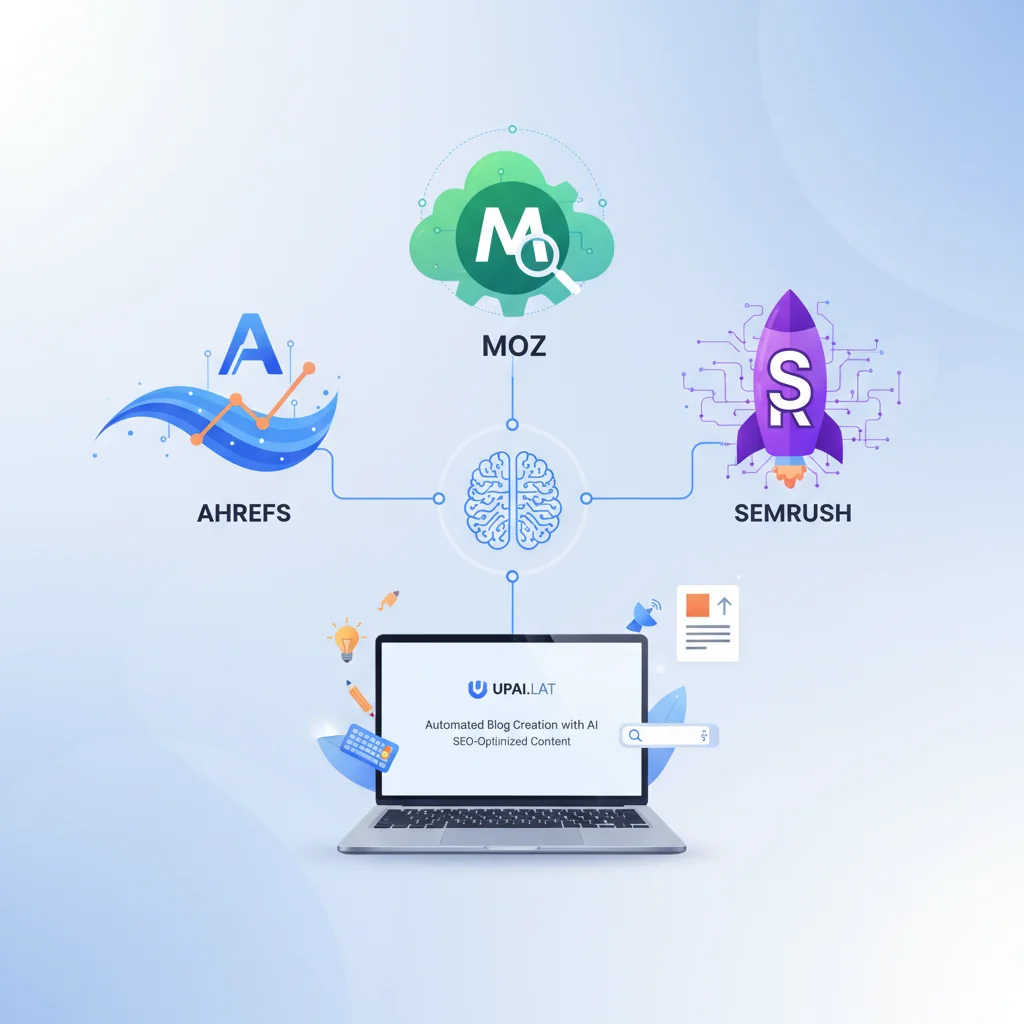
Deep Dive into Keyword Research: Ahrefs vs. Moz
Keyword research is the foundational element of any successful SEO strategy, and both Ahrefs and Moz offer powerful tools to uncover valuable keywords, analyze their difficulty, and understand search intent, but they present this data with different emphases and features. Ahrefs provides a more extensive database and granular metrics for competitive analysis, while Moz focuses on a more intuitive interface and integrates its unique difficulty scores. Choosing between them for keyword research depends on your need for raw data volume versus simplified, actionable insights.
Effective keyword research involves identifying terms that your target audience uses, assessing the competition for those terms, and understanding the potential traffic they can drive. Both platforms excel at this, yet their methodologies and supplementary features offer distinct advantages.
Ahrefs Keyword Explorer
Ahrefs Keyword Explorer is lauded for its vast keyword database, which includes billions of keywords across over 170 countries, providing highly detailed metrics. It offers precise global and country-specific search volumes, a robust Keyword Difficulty (KD) score, and a breakdown of SERP features. Users can uncover thousands of keyword ideas from various sources, including phrase match, having same terms, questions, and newly discovered keywords.
- Search Volume: Provides highly accurate local and global monthly search volumes, often showing historical trends.
- Keyword Difficulty (KD): A score from 0 to 100 indicating how hard it would be to rank in the top 10 for a given keyword, based on the number of referring domains pointing to the current top-ranking pages.
- SERP Overview: Shows the top 10 ranking pages for a keyword, along with their Ahrefs Rank (AR), Domain Rating (DR), URL Rating (UR), backlinks, traffic, and number of keywords they rank for. This allows for deep competitive analysis.
- Parent Topic: Identifies a broader topic that a keyword belongs to, helping users understand search intent and create comprehensive content.
- Click Metrics: Estimates the number of clicks a keyword receives, differentiating between clicks on organic results, paid results, and no-click searches (due to SERP features like answer boxes).
- List of Keyword Ideas: Generates extensive lists of related keywords, questions, and phrase matches, invaluable for content topic generation.
The granular data provided by Ahrefs allows for highly strategic keyword targeting and content planning. Its ability to show the exact number of referring domains needed to rank for a keyword makes it exceptionally practical for actionable SEO. Utilizing the Keyword Density tool after identifying target keywords with Ahrefs ensures optimal on-page integration.
Moz Keyword Explorer
Moz Keyword Explorer offers a user-friendly interface that simplifies complex keyword data, providing a balance of metrics and actionable recommendations. It focuses on four key metrics: Monthly Volume, Difficulty, Organic CTR, and Priority, which combine several factors to help users prioritize keywords effectively. Moz's strength lies in its ability to integrate these insights with its broader suite of tools, making it easy to transition from keyword research to content planning.
- Monthly Volume: Provides a range for estimated monthly search volume rather than a precise number, which some users find less exact but still useful.
- Difficulty: A score from 0 to 100 representing the effort required to rank on the first page of Google for a keyword, based on the strength of competing pages.
- Organic CTR: Estimates the percentage of searches for a keyword that result in a click on an organic search result, accounting for SERP features.
- Priority Score: A composite metric that helps users prioritize keywords by combining volume, difficulty, and organic CTR, alongside your site's authority.
- Keyword Suggestions: Offers a variety of keyword ideas based on broad suggestions, questions, and closely related topics.
- SERP Analysis: Displays the top 10 search results with their Domain Authority (DA), Page Authority (PA), and other metrics, similar to Ahrefs but with Moz's proprietary scores.
Moz's Keyword Explorer is particularly strong for those who appreciate a more guided approach to keyword strategy. Its Priority score is a unique feature that simplifies decision-making, making it appealing for content marketers and small businesses. After selecting keywords, you can use UPAI's Headline Analyzer to craft compelling titles that attract clicks.
Keyword Research Verdict
For sheer data volume, granularity, and competitive depth, **Ahrefs holds a slight edge in keyword research**, especially for advanced SEOs who need precise numbers and extensive insights into SERP features and click distribution. Its massive database and detailed KD score provide a robust foundation for aggressive keyword targeting. However, for users who prefer a more streamlined experience with actionable priority metrics and strong integration with overall site authority, **Moz offers a highly capable and user-friendly alternative**. Both are excellent, but Ahrefs caters more to the data-intensive strategist.
Backlink Analysis & Link Building: Who Reigns Supreme?
Backlink analysis is arguably the most critical aspect of off-page SEO, and Ahrefs definitively reigns supreme in this domain due to its unparalleled backlink database size, freshness, and advanced analytical features, while Moz offers a solid, albeit smaller, alternative with its unique Domain Authority metric. Ahrefs processes trillions of links and updates its index daily, providing a more comprehensive and current view of the web's linking structure. Moz's Link Explorer is robust but generally has a smaller index, which can sometimes lead to less complete data for very large or rapidly changing link profiles.
The ability to analyze backlinks is crucial for understanding a website's authority, identifying link building opportunities, disavowing harmful links, and reverse-engineering competitor strategies. The breadth and depth of a tool's backlink index directly impact the accuracy and utility of its analysis.
Ahrefs Site Explorer (Backlinks)
Ahrefs' Site Explorer is the gold standard for backlink analysis, boasting the largest and freshest backlink index in the industry. It provides an exhaustive breakdown of any website's backlink profile, including referring domains, new and lost backlinks, anchor text distribution, and detailed link metrics. Its ability to show precise link growth over time and identify specific link types (dofollow, nofollow, UGC, sponsored) is invaluable for comprehensive link audits and strategic link building.
- Largest Backlink Index: Ahrefs crawls more pages per day than almost any other tool, resulting in an exceptionally large and up-to-date backlink database.
- Domain Rating (DR) & URL Rating (UR): Proprietary metrics from 0 to 100 that indicate the strength of a website's overall backlink profile (DR) and a specific page's backlink profile (UR). These are highly correlated with Google rankings.
- Referring Domains: Provides a clear count of unique domains linking to a target, along with their individual DR, traffic, and other metrics.
- New & Lost Backlinks: Tracks the acquisition and loss of links over time, allowing for proactive outreach and broken link reclamation.
- Anchor Text Distribution: Analyzes the anchor text used in backlinks, which is crucial for identifying potential over-optimization or diversity issues.
- Link Intersect: A powerful feature that identifies domains linking to your competitors but not to your site, providing clear link building targets.
- Broken Backlinks: Helps identify broken links on a site, which can be used for finding link reclamation opportunities.
Ahrefs' backlink data is critical for competitive analysis, allowing users to dissect competitor strategies and find high-quality link opportunities. Its robust filters and sorting options make it easy to drill down into specific link types or referring domains. This tool is indispensable for anyone serious about off-page SEO and link building.
Moz Link Explorer
Moz Link Explorer provides a comprehensive suite of tools for backlink analysis, offering insights into a site's link profile, competitor links, and potential link opportunities. While its index is generally smaller than Ahrefs, Moz's unique Domain Authority (DA) and Page Authority (PA) metrics are widely recognized and provide a valuable measure of a website's overall authority and ranking potential. It focuses on providing actionable insights with a user-friendly interface.
- Domain Authority (DA) & Page Authority (PA): Metrics from 0 to 100 that predict how well a website (DA) or specific page (PA) will rank on search engine result pages. These are Moz's core contribution to link analysis.
- Linking Domains: Provides a count of unique domains linking to a site, along with their DA and other relevant metrics.
- Spam Score: A unique Moz metric that helps identify potentially low-quality or spammy links, aiding in disavow decisions.
- New & Lost Links: Tracks changes in a site's backlink profile, although its update frequency might be less rapid than Ahrefs.
- Anchor Text: Analyzes the anchor text used in backlinks, providing insights into keyword targeting and link diversity.
- Compare Link Profiles: Allows users to compare their site's link profile against competitors, highlighting gaps and opportunities.
Moz Link Explorer is particularly useful for those who prioritize a holistic view of domain authority and who value the Spam Score for maintaining a clean link profile. Its integration with other Moz tools makes it a cohesive choice for overall site management. For assessing the SEO health of your pages, consider using UPAI's SEO Checker in conjunction with link analysis.
Backlink Analysis Verdict
For sheer data volume, index freshness, and advanced competitive link analysis, **Ahrefs is the undisputed leader in backlink analysis**. Its comprehensive database and granular metrics like DR and UR provide a more complete and actionable picture for aggressive link building strategies. Moz Link Explorer is a strong contender, especially for those who rely on Domain Authority and appreciate the Spam Score, but its index size and update frequency are generally less robust than Ahrefs. If link building and competitive backlink auditing are your top priorities, Ahrefs offers superior capabilities.
Site Audit & Technical SEO: Uncovering Website Health
Site auditing and technical SEO are fundamental for ensuring a website is crawlable, indexable, and provides a good user experience, and both Ahrefs and Moz offer robust tools to identify and address these issues, though with different levels of detail and reporting. Ahrefs provides a highly granular and customizable site audit that uncovers over 100 common SEO issues with specific recommendations, while Moz's Site Crawl is more streamlined and focuses on critical errors with clear, actionable advice, making it more approachable for less technical users. The choice hinges on the depth of technical analysis required versus ease of use and immediate actionability.
A healthy website foundation is crucial for any SEO strategy. Technical issues can prevent search engines from effectively crawling and indexing your content, leading to poor rankings and lost traffic. Both tools aim to prevent these issues by providing comprehensive diagnostics.
Ahrefs Site Audit
Ahrefs Site Audit is a powerful and highly customizable tool that crawls your website for over 100 pre-defined SEO issues, ranging from critical errors to minor warnings. It provides detailed reports on technical aspects such as broken links, redirect chains, duplicate content, canonical issues, hreflang tags, page speed, and core web vitals. Its strength lies in its ability to handle large websites and offer deep insights into various technical parameters, making it a favorite among technical SEO specialists.
- Comprehensive Issue Detection: Identifies a vast array of technical SEO problems, including HTML tags, content quality, localization, and performance issues.
- Customizable Crawls: Allows users to set specific crawl limits, speed, and exclude/include URLs, providing flexibility for different site sizes and needs.
- Visualizations: Offers interactive graphs and charts that visualize site structure, internal link distribution, and the impact of issues.
- Internal Link Analysis: Provides a detailed report on internal links, identifying orphaned pages, excessive redirects, and opportunities for internal linking optimization.
- Structured Data Validation: Checks for errors in structured data markup, ensuring rich snippets appear correctly in SERPs.
- Core Web Vitals Integration: Monitors page load times, interactivity, and visual stability, offering insights into user experience metrics.
The Ahrefs Site Audit is an indispensable tool for maintaining a technically sound website. Its ability to categorize issues by severity and provide clear explanations with fix recommendations empowers users to optimize their site's foundation effectively. For a quick check on individual pages, UPAI's SEO Checker provides instant analysis.
Moz Site Crawl
Moz's Site Crawl (part of Moz Pro) offers a straightforward and user-friendly approach to technical SEO auditing, focusing on identifying critical crawlability and indexability issues. It scans a website for common problems like missing titles, duplicate content, broken redirects, and server errors, presenting them in an easy-to-understand format. Moz prioritizes making technical SEO accessible, providing clear explanations and actionable steps for resolution.
- Critical Issue Focus: Concentrates on high-impact issues that directly affect a site's ability to rank, such as broken links, missing meta descriptions, and crawl errors.
- User-Friendly Reporting: Presents audit results with clear categories (e.g., "Critical Issues," "Warnings," "Opportunities") and explanations that are easy for non-technical users to grasp.
- Prioritized Recommendations: Offers a prioritized list of fixes, guiding users on which issues to tackle first for maximum impact.
- On-Page Grader: Provides specific recommendations for optimizing individual pages based on target keywords, integrating well with content strategy.
- Scheduled Crawls: Allows for automated, regular site crawls to monitor ongoing technical health without manual intervention.
Moz's Site Crawl is ideal for those who need a reliable, easy-to-interpret audit without getting bogged down in overly technical details. It's particularly useful for small businesses and content creators who manage their own SEO. After addressing technical issues, use UPAI's SERP Preview to see how your optimized pages will appear in search results.
Technical SEO Verdict
For deep, granular, and highly customizable technical SEO audits, **Ahrefs provides a more comprehensive and powerful solution**, especially for large websites and experienced technical SEO professionals. Its ability to detect a wider range of issues and offer detailed visualizations makes it superior for in-depth diagnostics. **Moz's Site Crawl, however, excels in its user-friendliness and clear, actionable recommendations**, making it an excellent choice for beginners or those who prefer a less overwhelming approach to technical SEO. Both are effective, but Ahrefs offers greater depth.
Rank Tracking & Performance Monitoring: Keeping Tabs on SERP Positions
Rank tracking is essential for measuring the effectiveness of SEO efforts and understanding keyword performance, and both Ahrefs and Moz offer robust tools for monitoring keyword positions, though Ahrefs provides more granular data on SERP features and local search results, while Moz focuses on a streamlined, user-friendly interface with strong reporting capabilities. Ahrefs' Rank Tracker allows for monitoring thousands of keywords across various locations and devices, offering detailed historical data and competitor comparisons. Moz's Rank Tracker is intuitive, providing clear visibility into keyword performance and competitive landscapes, particularly useful for local SEO.
Monitoring keyword rankings is not just about seeing if your site is moving up or down; it's about understanding the impact of your optimizations, identifying new opportunities, and reacting quickly to competitor movements. Both platforms provide the necessary data, but their presentation and depth of features differ.
Ahrefs Rank Tracker
Ahrefs Rank Tracker is a powerful tool for monitoring keyword positions, providing daily updates, competitor comparisons, and detailed insights into SERP features. It allows users to track thousands of keywords across multiple geographical locations and device types (desktop/mobile). Its strength lies in its comprehensive reporting and its ability to integrate rank tracking data with other Ahrefs metrics, such as traffic potential and keyword difficulty.
- Daily Updates: Provides fresh ranking data every 24 hours, ensuring you have the most current view of your keyword performance.
- SERP Features Tracking: Monitors visibility in various SERP features like featured snippets, image packs, video carousels, and local packs, which is crucial for understanding true organic visibility.
- Competitor Monitoring: Allows tracking of multiple competitors for the same keywords, providing direct comparisons of ranking performance and visibility.
- Geographic & Device Specificity: Tracks rankings for specific countries, states, cities, and even postal codes, across both desktop and mobile devices.
- Visibility & Traffic Metrics: Calculates "Visibility" (how often your site appears in organic search results) and "Traffic" (estimated organic traffic from tracked keywords), offering a holistic view of performance.
- Historical Data: Stores extensive historical ranking data, enabling trend analysis and the evaluation of long-term SEO strategies.
Ahrefs Rank Tracker is ideal for agencies and businesses that need highly detailed, frequently updated ranking data and robust competitive insights. Its ability to track specific SERP features is a significant advantage for modern SEO strategies.
Moz Rank Tracker
Moz Rank Tracker offers a user-friendly interface for monitoring keyword rankings, providing weekly updates, competitor analysis, and clear performance metrics. It excels in its ability to visualize ranking trends and integrate with other Moz tools, making it easy to see the impact of your SEO efforts. Moz's focus on local SEO is also evident in its rank tracking capabilities, allowing for precise local market monitoring.
- Weekly Updates: Provides fresh ranking data once a week, suitable for tracking long-term trends and general performance.
- Visibility Score: A proprietary metric that estimates the percentage of clicks your site receives for tracked keywords, offering a quick overview of performance.
- Competitor Benchmarking: Easily compare your ranking performance against a set of chosen competitors, identifying areas for improvement.
- Geographic & Local Tracking: Supports tracking for specific countries, regions, and cities, with a strong emphasis on local search results.
- SERP Feature Insights: Highlights opportunities and performance within SERP features, though perhaps with less granularity than Ahrefs.
- Customizable Reporting: Allows for the creation of custom reports that can be shared with clients or team members, emphasizing key performance indicators.
Moz Rank Tracker is well-suited for small to medium-sized businesses and content marketers who need a clear, easy-to-understand overview of their ranking performance. Its emphasis on local tracking makes it particularly valuable for businesses with a strong local presence.
Rank Tracking Verdict
For the most granular data, daily updates, extensive SERP feature tracking, and highly specific local monitoring, **Ahrefs' Rank Tracker is generally superior**. Its depth of data and frequent updates provide a more immediate and detailed understanding of ranking fluctuations. **Moz's Rank Tracker, however, offers a very capable and more user-friendly experience** with excellent reporting features, making it a strong choice for those who prioritize ease of use and a clear overview of performance, especially for local SEO. The choice here often comes down to the required frequency of data and the level of detail needed for competitive analysis.
| Feature | Ahrefs | Moz | Notes |
|---|---|---|---|
| Backlink Index Size | Largest (trillions of links) | Large (billions of links) | Ahrefs generally has a larger and fresher index. |
| Proprietary Authority Metric | Domain Rating (DR), URL Rating (UR) | Domain Authority (DA), Page Authority (PA) | Both are widely used, but Ahrefs' DR/UR are often seen as more directly correlated with backlink profile strength. |
| Keyword Difficulty (KD) | Highly granular (0-100), based on referring domains to top pages. | Intuitive (0-100), based on competing page strength. | Ahrefs' KD is often considered more precise for actionable link building. |
| Site Audit Depth | Highly detailed (100+ issues), customizable crawls, technical focus. | Streamlined, focuses on critical issues, user-friendly recommendations. | Ahrefs for technical SEO experts, Moz for general users. |
| Rank Tracking Updates | Daily | Weekly | Ahrefs provides more frequent data updates. |
| SERP Features Tracking | Extensive & granular (e.g., featured snippets, local packs, image packs). | Good, with focus on opportunities. | Ahrefs provides more detailed insights into specific SERP features. |
| Content Research Tool | Content Explorer (find popular content by shares, links, traffic). | No direct equivalent; relies on keyword research for content ideas. | Ahrefs' Content Explorer is a unique and powerful feature. |
| User Interface | Functional, data-rich, steeper learning curve. | Intuitive, clean, more beginner-friendly. | Moz generally has an easier onboarding experience. |
| Pricing (Entry Level) | Higher entry point, more data units. | Lower entry point, more accessible. | Moz is often more affordable for smaller budgets. |
Content Optimization & Topic Research: Beyond Keywords
Beyond traditional keyword research, effective content optimization and topic research are vital for creating high-ranking, valuable content that satisfies user intent, and both Ahrefs and Moz offer features that assist in these areas, though Ahrefs provides a dedicated "Content Explorer" for discovering popular content, while Moz integrates content insights more closely with its keyword and on-page tools. Ahrefs excels at identifying content gaps and understanding what content performs best in a given niche, offering a data-driven approach to content strategy. Moz focuses on ensuring individual pages are well-optimized for target keywords and provides guidance on content structure and readability, complementing its technical SEO features.
Creating content that ranks involves more than just stuffing keywords; it requires understanding what users want to read, what topics are trending, and how to structure content for both search engines and human readers. These tools help bridge that gap.
Ahrefs Content Explorer
Ahrefs Content Explorer is a unique and powerful tool that allows users to discover the most popular content on any topic, based on social shares, backlinks, and organic traffic. It helps identify trending topics, analyze content formats that perform well, and uncover content gaps within a niche. This tool is invaluable for content strategists looking to create highly engaging and linkable assets.
- Content Discovery: Finds articles, guides, and other content pieces that have performed well on specific topics, filtering by language, publication date, and referring domains.
- Performance Metrics: Shows key metrics for each content piece, including estimated organic traffic, number of referring domains, and social shares across various platforms.
- Content Gaps: Helps identify topics that competitors are covering effectively, or areas where there's high demand but limited high-quality content.
- Author Research: Discover influential authors and publications in a niche.
- Broken Link Opportunities: Finds broken pages that have many backlinks, providing opportunities for content creation and subsequent link reclamation.
Content Explorer is a game-changer for content ideation and strategy, allowing users to reverse-engineer successful content. It provides a clear roadmap for creating content that resonates with both users and search engines. Once you have your content ideas, use UPAI's Readability tool to ensure your text is engaging and easy to understand.
Moz Content Optimization
Moz integrates content optimization directly into its Keyword Explorer and Site Crawl tools, providing recommendations for on-page elements, content structure, and readability. While it lacks a dedicated "Content Explorer" like Ahrefs, Moz's approach focuses on ensuring individual pages are highly optimized for their target keywords and offer a good user experience. Its On-Page Grader provides specific, actionable advice for improving content.
- On-Page Grader: Analyzes a specific page for a target keyword, providing a score and detailed recommendations for improving elements like title tags, meta descriptions, headings, and body content.
- Content Suggestions: Within Keyword Explorer, it provides related topics and questions, aiding in the development of comprehensive content that covers user intent.
- SERP Features Integration: Highlights opportunities to rank for rich snippets and other SERP features, guiding content creators to structure their content accordingly.
- Readability Insights: While not a standalone tool, Moz's recommendations often touch upon content structure and clarity, contributing to better readability.
Moz's strength in content optimization lies in its ability to provide clear, actionable steps for optimizing existing content and ensuring new content meets on-page SEO best practices. It's particularly useful for those who prefer a checklist-driven approach to content creation. After optimizing your content, consider using UPAI's FAQ Schema generator to enhance your content's visibility in SERPs.
Content Optimization Verdict
For discovering trending topics, analyzing competitor content strategies, and identifying content gaps through a dedicated research tool, **Ahrefs' Content Explorer is significantly more powerful and offers unique advantages**. It provides a broader, more exploratory approach to content strategy. **Moz, however, excels in providing highly specific and actionable on-page optimization recommendations** for individual content pieces, ensuring they are well-tuned for their target keywords and user experience. If content ideation and competitive content analysis are priorities, Ahrefs leads; if on-page optimization and structured content guidance are key, Moz is highly effective.
User Interface, Usability & Learning Curve
The user interface (UI) and overall usability of an SEO tool significantly impact productivity and the speed at which users can extract actionable insights, and Moz generally offers a more intuitive, cleaner interface with a gentler learning curve, while Ahrefs provides a more data-dense and feature-rich environment that requires more time to master. Moz's design prioritizes clarity and guided workflows, making it highly accessible for beginners and those who prefer straightforward reports. Ahrefs, conversely, caters to power users who require extensive data and customization options, which can initially feel overwhelming but offers unparalleled depth once understood. The choice depends on user experience preference and the team's technical proficiency.
An SEO tool, no matter how powerful, is only as effective as its usability. A well-designed interface can accelerate analysis, while a complex one can lead to frustration and underutilization of features.
Ahrefs UI/UX
Ahrefs' user interface is functional, data-rich, and designed for power users who need to perform in-depth analysis. It presents a vast amount of data through various reports and filters, which can initially feel overwhelming for new users. However, once familiar with the navigation and report structure, users can quickly access highly specific information. The dashboards are comprehensive, offering quick overviews of key metrics, but require some time to customize and interpret effectively.
- Data Density: Presents a large amount of data on each screen, requiring users to navigate through numerous tabs and filters.
- Steeper Learning Curve: New users often require more time to understand where to find specific reports and how to interpret the various metrics.
- Powerful Filtering: Offers extensive filtering and sorting options across all reports, allowing for highly specific data segmentation.
- Customizable Dashboards: Provides some flexibility in dashboard customization, but primarily focuses on showcasing core metrics.
- Responsive Design: The interface is generally responsive, but the sheer amount of data can sometimes make it feel less fluid on smaller screens.
Ahrefs is built for SEO professionals who spend significant time in the tool, drilling down into data. Its power lies in its depth, not necessarily its immediate simplicity. The investment in learning Ahrefs pays off with highly granular insights.
Moz UI/UX
Moz Pro features a clean, intuitive, and user-friendly interface that prioritizes ease of navigation and clear, actionable insights. Its design philosophy aims to make complex SEO data accessible to a broader audience, including beginners and marketing generalists. The dashboards are well-organized, providing quick summaries of key performance indicators and guiding users through the analysis process with helpful explanations and tips.
- Clean & Intuitive Design: Features a modern, uncluttered interface that is easy to navigate, even for first-time users.
- Gentler Learning Curve: New users can quickly grasp the core functionalities and generate useful reports with minimal training.
- Guided Workflows: Tools often include helpful prompts and explanations, guiding users through the SEO process.
- Actionable Insights: Reports are designed to provide clear, actionable recommendations rather than just raw data.
- Well-Organized Dashboards: Provides clear overviews of site performance, keyword rankings, and link metrics, with easy access to detailed reports.
Moz excels at making SEO less intimidating. Its user experience is designed to reduce friction and empower users to make data-driven decisions without needing extensive technical SEO knowledge. This makes it a strong choice for businesses where SEO is managed by a broader marketing team.
UI/UX Verdict
For users who prioritize ease of use, a clean interface, and a gentle learning curve, **Moz is the clear winner in terms of UI/UX**. Its design makes SEO more accessible to a wider audience. **Ahrefs, while incredibly powerful, has a steeper learning curve** due to its data-dense interface, making it more suitable for experienced SEO professionals who need granular control and deep analytical capabilities. The best choice depends on the user's technical proficiency and preference for data depth versus simplicity.
Pricing, Plans & Value for Money
Pricing is a significant factor in choosing an SEO tool, and both Ahrefs and Moz offer tiered subscription models, but Ahrefs generally has a higher entry point and charges more for additional data units, while Moz provides more accessible starter plans and a clearer feature breakdown, making it potentially more budget-friendly for smaller operations. Ahrefs' pricing reflects its extensive data collection and advanced features, often requiring a higher investment for full utilization. Moz aims to provide value through a balanced set of tools at competitive price points, with clear distinctions between plan capabilities. The optimal value proposition depends on the scale of your SEO needs, team size, and budget constraints.
Understanding what you get for your money is crucial. Both platforms offer excellent features, but their pricing structures and what constitutes "value" can differ greatly depending on your specific requirements.
Ahrefs Pricing
Ahrefs' pricing structure typically starts at a higher monthly cost compared to Moz, and its plans are often differentiated by limits on the number of projects, tracked keywords, crawled pages, and reports. Scaling up to higher plans significantly increases the cost, reflecting the immense data and processing power it offers. It's designed for serious SEO professionals and agencies who require extensive data and frequent updates.
- Lite Plan: (e.g., $99/month) Typically includes 5 projects, 500 tracked keywords, 10,000 crawled pages, and limited reports. Best for small businesses or individual bloggers.
- Standard Plan: (e.g., $199/month) Offers increased limits, more projects, more tracked keywords, and access to more advanced features like Content Explorer and historical data. Suitable for marketing teams.
- Advanced Plan: (e.g., $399/month) Provides even higher limits, more user seats, and access to all features, including API access and more frequent data updates. Designed for larger agencies and enterprises.
- Enterprise Plan: (e.g., $999+/month) Custom plans for very large organizations with extensive data and support needs.
- Credits System: Ahrefs uses a credit system for certain queries and reports, meaning exceeding limits requires additional purchases or upgrading plans.
Ahrefs often justifies its higher price point with its superior backlink index, faster data updates, and more granular competitive analysis tools. The value is undeniable for those who fully leverage its capabilities.
Moz Pricing
Moz offers a more accessible entry-level pricing structure, making it attractive for individuals, small businesses, and those new to comprehensive SEO tools. Its plans are typically based on the number of keywords tracked, site crawls, and reports generated, with clear feature sets for each tier. Moz aims to provide good value through a balanced set of tools and a user-friendly experience.
- Standard Plan: (e.g., $99/month) Includes 10 campaigns, 300 keywords, 100,000 crawled pages, and basic reports. Good for individuals and small businesses.
- Medium Plan: (e.g., $179/month) Offers increased limits for campaigns, keywords, and crawls, plus access to more advanced features and competitive analysis. Suitable for growing businesses and consultants.
- Large Plan: (e.g., $299/month) Provides higher limits, more user seats, and expanded access to all Moz Pro features. Ideal for larger teams.
- Premium Plan: (e.g., $599/month) The highest tier, offering maximum limits and dedicated support. For large enterprises.
- No Credit System: Moz generally does not use a credit system; features and limits are clearly defined by the subscription tier.
Moz's pricing is often perceived as more straightforward and budget-friendly, especially for teams that don't require the absolute maximum data depth that Ahrefs provides. Its emphasis on clarity and ease of use adds to its value proposition. You can estimate your blog's potential earnings with UPAI's Earn Calculator to see how an SEO tool investment might pay off.
Pricing Verdict
For users on a tighter budget or those who need a solid, all-around SEO tool without the most advanced data granularity, **Moz offers better value at its entry and mid-tier price points**. Its clear feature sets and user-friendly experience provide a strong return on investment for many small to medium-sized businesses. **Ahrefs, while more expensive, delivers superior value for professional SEOs and agencies** who can fully utilize its vast data index, frequent updates, and advanced competitive analysis capabilities. The higher cost is justified by its depth and breadth of data for those who need it.
Unique Features & Differentiators
Both Ahrefs and Moz offer a core set of SEO tools, but their distinct strengths lie in certain unique features that set them apart and cater to specific SEO strategies. Ahrefs' Content Explorer and its highly granular competitive analysis are major differentiators, providing insights into content performance and competitor strategies that are hard to replicate elsewhere. Moz distinguishes itself with its widely recognized Domain Authority metric, its robust local SEO tools, and its user-friendly on-page optimization guidance, appealing to a broader audience that prioritizes ease of use and brand authority. These unique offerings often become the deciding factor for users with specific niche requirements.
Beyond the core functionalities, it's these specialized tools and methodologies that truly define each platform's identity and appeal to different segments of the SEO market.
Ahrefs Unique Features
- Content Explorer: This unique tool allows users to find the most popular content by topic, analyzing backlinks, organic traffic, and social shares. It's invaluable for content ideation, finding broken link building opportunities, and competitive content analysis.
- Rank Tracker with SERP Features: Ahrefs provides extremely detailed tracking of SERP features (featured snippets, image packs, local packs, etc.), allowing users to monitor their visibility beyond just the standard organic results.
- Site Explorer (Backlink Focus): While both have backlink tools, Ahrefs' Site Explorer is renowned for its sheer volume of backlink data, historical data, and the ability to find specific link types (e.g., guest posts, forum links) with powerful filters.
- Domain Rating (DR) & URL Rating (UR): These proprietary metrics are highly respected in the industry for their correlation with ranking potential, providing a quick assessment of a domain's or page's link equity.
- Batch Analysis: Allows users to analyze up to 200 URLs simultaneously for key SEO metrics, saving significant time for competitive analysis or large-scale audits.
- Keywords Explorer (Click Data): Ahrefs provides estimated clicks per search, differentiating between organic, paid, and no-click searches, offering a more realistic view of keyword value.
Ahrefs' unique features are geared towards advanced competitive analysis, comprehensive link building, and data-driven content strategy, making it a favorite for SEO agencies and professionals focused on aggressive growth.
Moz Unique Features
- Domain Authority (DA) & Page Authority (PA): Moz's signature metrics are widely cited and understood in the SEO industry, providing a simple yet effective way to gauge a website's overall authority and ranking potential.
- Spam Score: This unique metric helps identify potentially toxic or low-quality links within a backlink profile, assisting users in cleaning up their link equity and avoiding Google penalties.
- Moz Local: A separate but integrated offering, Moz Local helps businesses manage their local listings, reviews, and overall local search presence across various directories, which is crucial for local businesses.
- Keyword Priority Score: Moz's Keyword Explorer offers a "Priority" score that combines search volume, difficulty, and organic CTR with your site's authority, helping users quickly identify the most impactful keywords to target.
- On-Page Grader: Provides highly specific, actionable recommendations for optimizing individual pages for target keywords, making it easy for content creators to implement SEO best practices.
- Q&A Community: Moz has a strong community forum and extensive learning resources, making it very supportive for new and intermediate SEOs.
Moz's unique features emphasize user-friendliness, brand authority, local SEO, and guided optimization, making it an excellent choice for small to medium-sized businesses, content marketers, and those who value clear, actionable advice.
Common Mistakes When Choosing Between Ahrefs and Moz
Choosing between Ahrefs and Moz can be complex, and several common mistakes can lead to selecting the wrong tool for your specific needs, ultimately hindering your SEO efforts. The most frequent error is basing the decision solely on price without fully evaluating the features and data limitations of each plan, which often results in purchasing an underpowered tool or overpaying for unused capabilities. Another significant mistake is failing to consider the primary SEO objectives of your organization; for instance, choosing Moz when aggressive link building and competitive backlink analysis are paramount, or opting for Ahrefs when local SEO and ease of use are the main priorities. An informed decision requires a thorough assessment of your team's skill level, the scale of your projects, and your precise SEO goals, rather than relying on generalized recommendations.
Avoiding these pitfalls ensures you invest in a tool that genuinely empowers your SEO strategy rather than becoming an expensive, underutilized subscription.
- Ignoring Specific SEO Goals: Do not choose a tool without clearly defining your primary SEO objectives. If link building is 80% of your strategy, Ahrefs is likely superior. If brand authority and local SEO are key, Moz might be a better fit. A generic "I need an SEO tool" approach leads to suboptimal selection.
- Over-reliance on Price: While budget is important, selecting a tool based purely on the lowest monthly cost without comparing feature sets and data limits is a mistake. A cheaper tool that doesn't meet your needs is more expensive in the long run than a slightly pricier one that delivers results.
- Underestimating the Learning Curve: Ahrefs has a steeper learning curve than Moz. Choosing Ahrefs for a team with limited SEO experience or time for training can lead to underutilization. Moz's user-friendliness is a significant advantage for less experienced users.
- Not Utilizing Free Trials or Demos: Both tools offer free trials or limited free versions. Failing to test them with your own website and keywords to see how they perform for your specific use cases is a missed opportunity. This hands-on experience is invaluable.
- Focusing Only on One Feature: While a tool might excel in one area (e.g., Ahrefs for backlinks), ignoring its other capabilities or deficiencies in other areas (e.g., Moz's smaller backlink index) can lead to an incomplete SEO strategy. A holistic view is necessary.
- Ignoring Team Size and Collaboration Needs: Some plans offer more user seats or better collaboration features. If you have a large team, ensure the chosen tool can accommodate multiple users without excessive additional costs.
- Neglecting Integration with Other Tools: Consider how the SEO tool integrates with your existing marketing stack (e.g., Google Analytics, Google Search Console, content management systems). Seamless integration can save time and improve data flow.
By carefully considering these points, you can make an informed decision that aligns with your SEO strategy, team capabilities, and budget, ensuring your investment yields maximum returns.
Conclusion: Making the Right Choice for Your SEO Strategy
The decision between Ahrefs and Moz ultimately boils down to aligning the tool's strengths with your specific SEO priorities, budget, and team's technical proficiency, as both platforms are industry leaders offering exceptional value for different use cases. Ahrefs is the preferred choice for advanced SEO professionals, agencies, and businesses that prioritize an extensive backlink index, granular competitive analysis, and in-depth technical audits, willing to invest in its steeper learning curve and higher price point for its unparalleled data depth. Moz, conversely, stands out as the ideal solution for small to medium-sized businesses, content marketers, and those who value a user-friendly interface, strong local SEO features, and the widely recognized Domain Authority metric, offering a more accessible entry point and a guided approach to SEO. Neither tool is objectively "better" than the other; rather, they are optimized for different strategic approaches and user experiences.
To make the right decision, conduct a thorough self-assessment of your SEO goals: Are you primarily focused on aggressive link building and competitive intelligence, or do you need a more balanced tool with a focus on ease of use and local presence? Evaluate your team's comfort level with complex data versus streamlined, actionable insights. Ultimately, leveraging the right SEO tool empowers you to make data-driven decisions that propel your website up the SERPs. Once you've chosen your primary SEO suite, remember to complement your strategy with UPAI's AI-powered tools to streamline content creation, optimize on-page elements, and enhance your overall content marketing efficiency. Automate Your Blog with AI and accelerate your path to higher rankings and increased organic traffic.
Frequently Asked Questions
Which tool, Ahrefs or Moz, has a better backlink index?
Is Moz's Domain Authority (DA) a reliable metric compared to Ahrefs' Domain Rating (DR)?
Which tool is better for beginners in SEO: Ahrefs or Moz?
Does Ahrefs or Moz offer better features for local SEO?
What is the typical pricing difference between Ahrefs and Moz?
Which tool is better for in-depth competitive analysis: Ahrefs or Moz?
Related Articles

Surfer SEO Review 2026: Optimize Your Content for Top Rankings
Our in-depth Surfer SEO review for June 2026 covers features, pricing, pros, and cons. Discover how this tool can elevate your on-page SEO and content strategy. Learn more!

Master Single Page SEO for Top Search Rankings in 2026
Unlock the power of single page SEO to drive targeted traffic. Learn strategies to optimize your content for AI search in 2026 and beyond. Start ranking higher today!
Top SEO Services Norfolk Businesses Need for Growth
Boost your Norfolk business with expert SEO services. We help you rank higher, attract more customers, and dominate the local market. Get started today!
More free AI tools from the same team
Grow your LinkedIn presence on autopilot. Try LinkedIn automation and AI content for free.
Read the Linkesy blogAsk AI about UPAI
Click your favorite assistant to learn more about us