
Startup Web Design Agency: Building Your Digital Success

A startup web design agency fundamentally builds and optimizes digital presences for businesses, typically focusing on innovation, agility, and cost-effectiveness to serve emerging and established clients alike; globally, the web design services market is projected to reach over $40 billion by 2026, driven by an increasing demand for online visibility and digital transformation.
Key takeaways
- A startup web design agency differentiates itself through a focused niche, agile processes, and a strong emphasis on delivering measurable results for clients.
- Core services extend beyond visual design to include robust development, e-commerce solutions, ongoing maintenance, and critical search engine optimization (SEO).
- A comprehensive business plan must detail market analysis, niche identification, competitive pricing, and a scalable operational model to ensure sustainable growth.
- Leveraging modern design tools, efficient project management software, and AI-powered content creation platforms is crucial for operational efficiency and delivering high-quality client work.
- Effective client acquisition for a startup agency relies on strategic content marketing, targeted SEO, compelling portfolio development, and active networking.
- Long-term success hinges on continuous skill development, transparent client communication, robust project management, and adapting to evolving web technologies and market demands.
What Defines a Startup Web Design Agency?
A startup web design agency is a newly established business entity focused on creating and optimizing websites and digital experiences for clients, characterized by its innovative approach, often specialized services, and a strong drive to establish a market presence through agility and client-centric solutions. These agencies typically operate with lean teams, leverage modern technologies, and prioritize efficient workflows to deliver high-quality results while managing initial growth challenges. Their definition is less about size and more about their stage of development and their dynamic, often disruptive, market entry strategy.Defining Characteristics of a Startup Agency
Startup web design agencies possess several key characteristics that distinguish them from established firms. These include a strong emphasis on innovation, a flexible operational structure, and a deep understanding of emerging web technologies. They are often founded by individuals or small teams with specialized skills, aiming to fill specific market gaps or offer a fresh perspective on web development. This often translates into more personalized client interactions and a greater willingness to experiment with new design trends or development stacks. Their lean nature allows for quicker adaptation to client feedback and market shifts, which can be a significant competitive advantage.The Challenges and Opportunities for New Agencies
Launching a startup web design agency presents a unique set of challenges and opportunities that require careful navigation. Challenges include establishing credibility without a large portfolio, competing with established agencies, securing initial clients, and managing cash flow effectively during the early growth phase. Building a reputation from scratch demands consistent quality and exceptional client service. However, significant opportunities exist for agencies that can differentiate themselves. This differentiation often comes from specializing in a niche market, mastering a specific technology (e.g., headless CMS, Web3), offering transparent pricing models, or providing superior customer support. The demand for digital presence continues to grow across all sectors, creating a fertile ground for new agencies that can deliver value.Why Niche Specialization is Crucial for Startups
Niche specialization is not merely a strategy but a critical survival mechanism for startup web design agencies. By focusing on a specific industry (e.g., healthcare, e-commerce, SaaS), technology (e.g., WordPress, Shopify, custom React apps), or service type (e.g., UX/UI-focused, performance-driven, accessibility-compliant), agencies can concentrate their expertise and resources. This allows them to become recognized experts in a particular domain, attracting clients who specifically seek that specialized knowledge. A focused niche streamlines marketing efforts, simplifies client acquisition, and enables the agency to command higher fees due to its targeted expertise. For example, an agency specializing in e-commerce web design for sustainable fashion brands can build a highly relevant portfolio and become the go-to expert in that specific, growing market segment.Definition: A startup web design agency is a newly formed business entity dedicated to creating and optimizing digital experiences, characterized by its agile operational model, innovative service delivery, and focused market entry strategy.
The Core Services Offered by a Startup Web Design Agency
A startup web design agency provides a comprehensive suite of services that extend far beyond simple aesthetic design, encompassing the full lifecycle of a digital presence from initial concept and user experience (UX) to ongoing maintenance and performance optimization. These services are strategically bundled to offer clients not just a website, but a functional, secure, and high-performing digital asset capable of achieving their business objectives. Understanding and articulating these core services is fundamental to attracting and retaining clients.Comprehensive Website Design and Development
The foundation of any web design agency is its ability to deliver high-quality website design and development, which involves translating client objectives into a visually appealing and fully functional online platform. This typically begins with a thorough discovery phase, understanding the client's brand, target audience, and business goals. The design process involves creating wireframes and mockups, focusing on user experience (UX) and user interface (UI) principles to ensure an intuitive and engaging journey for site visitors. Development then brings these designs to life using various programming languages, content management systems (CMS) like WordPress or custom frameworks, ensuring responsiveness across all devices, and robust functionality. This includes front-end development (what users see) and back-end development (server-side logic and database management).User Experience (UX) and User Interface (UI) Design
UX and UI design are critical components of modern web development, directly impacting a website's effectiveness and user satisfaction.Definition: UI/UX design encompasses the processes of creating user interfaces (UI) that are aesthetically pleasing and functional, combined with designing the overall user experience (UX) to ensure a website is intuitive, efficient, and enjoyable to navigate.
User Experience (UX) design focuses on the overall feeling and ease of use when interacting with a website. This involves research into user behavior, information architecture, usability testing, and ensuring the site flow is logical and pain-free. User Interface (UI) design, on the other hand, deals with the visual elements and interactive components of a website, such as buttons, typography, color schemes, and layouts. A successful agency integrates both disciplines seamlessly, creating websites that are not only beautiful but also highly effective in guiding users towards desired actions, whether it's making a purchase, filling out a form, or consuming content. This holistic approach ensures high engagement rates and positive brand perception.E-commerce Solutions and Integrations
For many businesses, particularly in retail and services, e-commerce functionality is paramount, and startup agencies must be adept at building and integrating robust online stores. This service involves selecting the appropriate e-commerce platform (e.g., Shopify, WooCommerce, Magento), customizing it to fit the client's brand and product catalog, and integrating essential features. Key integrations often include payment gateways (Stripe, PayPal), shipping calculators, inventory management systems, customer relationship management (CRM) tools, and marketing automation platforms. The goal is to create a secure, scalable, and user-friendly online shopping experience that maximizes conversions and streamlines operations for the client. Expertise in secure transactions, product display optimization, and checkout flow design is vital here.Website Maintenance, Support, and Hosting
Launching a website is only the beginning; ongoing maintenance, support, and reliable hosting are crucial for long-term performance and security. A proactive startup agency offers comprehensive post-launch services, including regular software updates (CMS, plugins), security monitoring and patching, performance optimization, and data backups. Technical support ensures that any issues are promptly addressed, minimizing downtime and maintaining a smooth user experience. Providing hosting solutions, or guiding clients to suitable hosting providers, adds value and simplifies the client's digital infrastructure management. These recurring services not only provide stable revenue streams for the agency but also build strong, lasting client relationships based on trust and reliability.Search Engine Optimization (SEO) and Content Strategy
A website without visibility is ineffective, making Search Engine Optimization (SEO) and strategic content a non-negotiable service for any web design agency.Definition: Search Engine Optimization (SEO) is the practice of increasing the quantity and quality of traffic to your website through organic search engine results, involving technical optimization, content creation, and link building.
Startup agencies should integrate SEO considerations from the very initial design phase, ensuring the site is technically sound, mobile-friendly, and structured for optimal crawling by search engines. This includes keyword research, on-page optimization (meta tags, headings, image alt text), and schema markup implementation. A content strategy complements SEO by planning, creating, and managing valuable, relevant, and consistent content to attract and retain a clearly defined audience. This often involves blog posts, service pages, and landing pages designed to rank for target keywords and engage users. Tools like UPAI's SEO Checker can help analyze a page's SEO score instantly, while the Keyword Density tool ensures optimal keyword usage without over-optimization. Agencies can also utilize UPAI's FAQ Schema generator to enhance search visibility for common questions.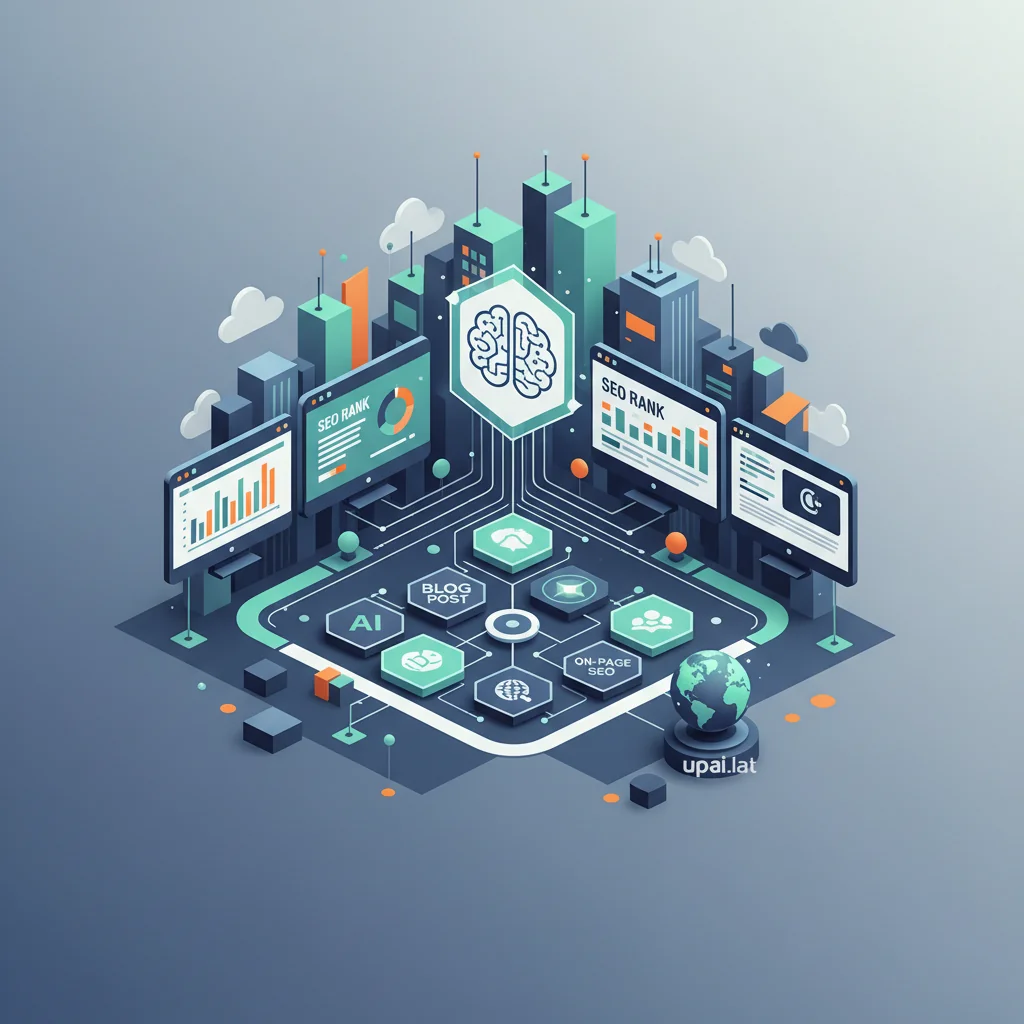
Digital Marketing Integration and Analytics
Beyond building the website, a forward-thinking startup web design agency understands the importance of integrating digital marketing strategies and robust analytics to measure performance. This involves setting up analytics tools like Google Analytics 4, implementing conversion tracking, and providing regular reports on website traffic, user behavior, and goal completions. Agencies can also assist clients with integrating various digital marketing platforms, such as email marketing services (Mailchimp, ConvertKit), social media management tools, and paid advertising platforms (Google Ads, Facebook Ads). The goal is to create a cohesive digital ecosystem where the website serves as the central hub, supported by various marketing channels, all tracked and optimized for maximum return on investment. This data-driven approach allows both the agency and the client to make informed decisions for continuous improvement.Crafting a Robust Business Plan for Your Startup Web Design Agency
A robust business plan is the foundational blueprint for a startup web design agency, outlining its strategic direction, operational framework, and financial projections to guide decision-making and secure necessary resources. This essential document serves not only as an internal roadmap but also as a critical tool for attracting investors, securing loans, and recruiting key talent by clearly articulating the agency's vision, market opportunity, and competitive advantages. Without a well-defined plan, even the most talented design and development team can struggle to achieve sustainable growth and market penetration.Market Research and Niche Identification
Thorough market research and precise niche identification are the cornerstones of a successful business plan for a startup web design agency. This involves analyzing the broader web design industry to understand current trends, identify gaps in service offerings, and assess the competitive landscape. Agencies must conduct detailed research into potential client segments, understanding their needs, pain points, and budget expectations. Niche identification then refines this, pinpointing a specific target market or service area where the agency can establish unique expertise and a strong competitive edge. For example, an agency might specialize in designing high-converting landing pages for SaaS companies, or crafting accessible websites for non-profit organizations. This focus allows for more targeted marketing, specialized skill development, and a clearer value proposition.Defining Your Value Proposition and Target Audience
Clearly defining your value proposition and target audience is paramount for effective market positioning and client acquisition. Your value proposition articulates why a client should choose your agency over competitors, highlighting the unique benefits and solutions you offer. It must be concise, compelling, and directly address the pain points of your target audience. For instance, a value proposition might be: "We build conversion-optimized e-commerce websites for small fashion boutiques, increasing online sales by an average of 30% within six months." Identifying your target audience involves creating detailed buyer personas, understanding their demographics, psychographics, business challenges, and preferred communication channels. This clarity ensures that all marketing efforts, service offerings, and client interactions are precisely tailored to resonate with those most likely to become valuable clients.Competitive Analysis and Differentiation Strategies
A comprehensive competitive analysis allows a startup web design agency to understand its position in the market and formulate effective differentiation strategies. This involves identifying direct and indirect competitors, analyzing their service offerings, pricing structures, marketing tactics, strengths, and weaknesses. The goal is to pinpoint what competitors do well and, more importantly, where they fall short. Differentiation strategies then leverage these insights to carve out a unique space for your agency. This could involve offering a superior client experience, specializing in a cutting-edge technology, providing faster turnaround times, focusing on a highly specific niche, or integrating AI-powered solutions for enhanced efficiency and results. A strong differentiation strategy ensures your agency stands out in a crowded market and attracts clients who value your specific strengths.Pricing Models and Revenue Projections
Establishing appropriate pricing models and realistic revenue projections is a critical financial component of your business plan. Common pricing models in web design include hourly rates, fixed project fees, value-based pricing, and retainer agreements for ongoing services. Each model has its advantages and disadvantages, and the best choice often depends on the project scope, client relationship, and agency's expertise. For instance, fixed project fees offer predictability for clients, while value-based pricing aligns agency compensation with client success. Revenue projections must be conservative yet ambitious, detailing anticipated income from various service lines over the first 1-3 years. This requires estimating the number of clients, average project values, and recurring revenue streams. Utilizing tools like UPAI's Earn Calculator can provide a foundational estimate for potential blog monetization, which, while not directly for service projects, helps in understanding revenue potential from content marketing efforts that support client acquisition. Accurate projections are essential for financial planning, operational budgeting, and measuring success.Legal Structure, Registrations, and Contracts
Addressing the legal structure, necessary registrations, and robust client contracts from the outset provides a solid legal foundation for your startup web design agency. Choosing the right legal structure (e.g., sole proprietorship, LLC, S-Corp) impacts liability, taxation, and administrative burden. Agencies must complete all required business registrations at local, state, and federal levels, including obtaining necessary licenses and permits. Critically, comprehensive client contracts are essential to protect both the agency and its clients. These contracts should clearly define the scope of work, deliverables, timelines, payment terms, intellectual property rights, revision policies, confidentiality clauses, and dispute resolution mechanisms. Well-drafted contracts prevent misunderstandings, mitigate risks, and establish clear expectations, fostering professional and productive client relationships. Seeking legal counsel during this phase is highly recommended to ensure full compliance and protection.Essential Tools and Technologies for a Modern Web Design Startup
A modern web design startup thrives on leveraging a carefully selected suite of essential tools and technologies that streamline workflows, enhance creativity, and ensure the delivery of high-quality, performant websites. These digital assets empower agencies to manage projects efficiently, collaborate seamlessly, and produce cutting-edge designs and robust development, ultimately improving client satisfaction and operational profitability. The right technological infrastructure is not just a convenience; it is a competitive imperative in today's fast-evolving digital landscape.Design Software and Prototyping Tools
Professional design software and prototyping tools are indispensable for visualizing concepts, creating mockups, and testing user flows before development begins. Industry-standard tools like Figma, Sketch, and Adobe XD allow designers to create high-fidelity UI designs, build interactive prototypes, and collaborate in real-time with clients and team members. Figma, in particular, has gained prominence for its cloud-based collaboration features, enabling multiple designers to work on the same file simultaneously and receive instant feedback. These tools facilitate a rapid iteration process, ensuring that the final design aligns perfectly with client expectations and user needs. They also help in communicating design decisions effectively and obtaining client sign-offs early in the project lifecycle, reducing costly revisions later on.Development Frameworks and Content Management Systems (CMS)
Choosing the right development frameworks and Content Management Systems (CMS) is crucial for efficiency, scalability, and maintainability of client websites. Modern development often relies on front-end frameworks like React, Angular, or Vue.js for dynamic, interactive user interfaces, and back-end frameworks like Node.js (Express), Python (Django, Flask), or PHP (Laravel) for robust server-side logic. For many clients, especially small to medium-sized businesses, a powerful and user-friendly CMS is essential. WordPress remains the dominant CMS globally, powering over 43% of all websites, offering immense flexibility through plugins and themes. Other popular options include Shopify for e-commerce, Webflow for visual development, and headless CMS solutions like Strapi or Contentful for more complex, decoupled architectures. The agency's expertise in a few key frameworks and CMS platforms allows for specialized service delivery and efficient project execution.Project Management and Collaboration Platforms
Efficient project management and seamless team collaboration are vital for managing multiple client projects simultaneously and delivering them on time and within budget. Platforms like Asana, Trello, Jira, and Monday.com provide robust features for task tracking, timeline management, resource allocation, and communication. These tools allow agencies to break down large projects into manageable tasks, assign responsibilities, set deadlines, and monitor progress in real-time. Collaboration features, such as shared documents, comment sections, and notification systems, ensure that all team members and clients are on the same page. Effective use of these platforms reduces miscommunication, improves accountability, and helps maintain project momentum, which is critical for client satisfaction and agency reputation.Hosting Solutions and Cloud Infrastructure
Reliable hosting solutions and scalable cloud infrastructure are fundamental for ensuring website performance, security, and uptime. Startup agencies should be familiar with various hosting options, including shared hosting for budget-conscious clients, VPS (Virtual Private Server) for more control, dedicated servers for high-traffic sites, and managed WordPress hosting for optimized performance. Cloud platforms like Amazon Web Services (AWS), Google Cloud Platform (GCP), and Microsoft Azure offer immense scalability, flexibility, and a wide array of services for complex web applications. Understanding how to deploy, manage, and optimize websites on these platforms is a valuable skill. Furthermore, implementing Content Delivery Networks (CDNs) like Cloudflare improves global site speed and enhances security by distributing content closer to users and mitigating DDoS attacks.
AI-Powered Tools for Content Creation and SEO
Integrating AI-powered tools for content creation and SEO can significantly boost a startup agency's efficiency and output, allowing them to deliver more value to clients faster. AI writing assistants can generate blog post outlines, draft marketing copy, and even assist in creating entire articles, saving considerable time in the content production process. These tools can help agencies rapidly produce high-quality, SEO-optimized content for their own marketing efforts and for their clients' websites. For SEO, AI can analyze vast datasets to identify keyword opportunities, predict search trends, and optimize existing content for better rankings. Tools like UPAI's platform leverage AI to automate blog creation, ensuring content is not only well-written but also structured for optimal search engine performance. This includes features for Readability checks, Headline Analyzer, and SERP Preview, all designed to enhance content quality and search visibility. By embracing AI, agencies can scale their content marketing efforts, provide superior SEO services, and maintain a competitive edge.Version Control Systems (VCS) and Development Workflows
Implementing robust version control systems (VCS) and standardized development workflows is non-negotiable for maintaining code quality, facilitating team collaboration, and ensuring project integrity. Git, often used with platforms like GitHub, GitLab, or Bitbucket, is the industry standard for VCS. It allows developers to track changes to code, revert to previous versions, and merge contributions from multiple team members without conflicts. A well-defined development workflow typically includes stages like development, staging, and production environments, along with continuous integration/continuous deployment (CI/CD) pipelines. This ensures that code changes are thoroughly tested before being pushed live, minimizing errors and downtime. Establishing these practices from the start prevents technical debt, improves long-term maintainability, and enables the agency to deliver stable and reliable web solutions.Marketing and Client Acquisition Strategies for Growth
Effective marketing and client acquisition strategies are the lifeblood of a startup web design agency, ensuring a steady pipeline of projects and sustainable growth in a competitive market. Simply having exceptional design and development skills is insufficient; agencies must proactively showcase their expertise, build trust, and reach potential clients where they are, transforming leads into long-term partnerships. A multi-faceted approach combining inbound and outbound tactics is crucial for consistent client acquisition.Building a Compelling Portfolio and Case Studies
Building a compelling portfolio and detailed case studies is arguably the most powerful marketing tool for any web design agency. The portfolio serves as a visual testament to your capabilities, showcasing the quality and diversity of your work. It should feature high-resolution images or live links to projects, clearly articulating your role and the specific solutions provided. More importantly, case studies go beyond aesthetics, detailing the client's initial challenge, the strategic approach your agency took, the specific solutions implemented, and the measurable results achieved (e.g., increased traffic, higher conversion rates, improved user engagement). These narratives build credibility and demonstrate tangible value, allowing potential clients to envision how your agency can solve their own business problems. Even with a limited initial client base, agencies can create strong portfolio pieces through pro-bono work for non-profits or developing internal projects that demonstrate specific skills.Content Marketing and SEO for Lead Generation
Content marketing combined with robust SEO is a highly effective inbound strategy for generating qualified leads for a web design agency. By consistently creating valuable, relevant, and engaging content—such as blog posts, guides, whitepapers, and infographics—agencies can attract their target audience organically. This content should address common pain points, answer frequently asked questions, and offer insights related to web design, development, UX, and digital marketing. Optimizing this content for search engines using relevant keywords ensures that potential clients find your agency when actively searching for solutions. Regular blog posts can establish your agency as an industry authority, building trust and demonstrating expertise. Tools like UPAI's platform are designed to automate and optimize this process, making it easier to produce SEO-friendly content that ranks well. The SEO Checker can help ensure your content meets search engine standards, while the Headline Analyzer can improve the click-through rates of your articles.Leveraging Social Media and Online Presence
A strong social media presence and active engagement across relevant online platforms are essential for increasing visibility and connecting with potential clients. Agencies should identify the platforms where their target audience spends the most time (e.g., LinkedIn for B2B, Instagram for visually driven brands, X for industry discussions). Consistent posting of portfolio pieces, behind-the-scenes content, industry insights, and client testimonials helps build brand awareness and establish thought leadership. Engaging with followers, participating in industry discussions, and running targeted ad campaigns can further expand reach and drive traffic to your website. Beyond social media, maintaining an active presence on design communities, industry forums, and review sites (like Clutch or G2) allows for direct interaction with the market and provides valuable social proof.Networking, Referrals, and Strategic Partnerships
Networking, cultivating referrals, and forming strategic partnerships are powerful, often underutilized, strategies for client acquisition. Attending industry events, local business meetups, and online webinars provides opportunities to connect with potential clients and collaborators. Building strong relationships with complementary businesses, such as digital marketing agencies (who don't offer web design), branding consultants, or IT service providers, can lead to mutually beneficial referral partnerships. Referrals from satisfied clients are particularly valuable, as they come with inherent trust and a higher conversion rate. Actively requesting testimonials and encouraging clients to refer your services can create a powerful organic growth engine. These personal connections often result in higher-value projects and longer-term client relationships than purely transactional leads.Paid Advertising (PPC) and Lead Magnets
While inbound strategies build long-term equity, paid advertising (PPC) offers immediate visibility and targeted lead generation. Platforms like Google Ads and social media advertising (Facebook, LinkedIn) allow agencies to target specific demographics, industries, and keywords with high precision. Running campaigns focused on specific services or niche expertise can quickly attract qualified leads. To maximize the effectiveness of paid ads, agencies should utilize lead magnets—valuable resources offered in exchange for contact information. Examples include free website audit checklists, e-books on web design best practices, or exclusive webinars. These lead magnets capture prospects early in their decision-making process, allowing the agency to nurture them through email marketing and eventually convert them into clients. Careful budget management and continuous optimization of ad campaigns are crucial for a positive return on investment.| Strategy | Primary Benefit | Time to Results | Cost Implications | Scalability |
|---|---|---|---|---|
| Portfolio & Case Studies | Builds credibility & showcases expertise | Medium (as projects complete) | Low (internal effort) | High (reusable) |
| Content Marketing & SEO | Generates organic, qualified leads | Long-term (3-12 months for ranking) | Medium (content creation, tools) | High (evergreen content) |
| Social Media Marketing | Increases brand awareness & engagement | Medium (consistent effort) | Low to Medium (organic vs. ads) | Medium |
| Networking & Referrals | High-trust, high-value leads | Medium to Long (relationship building) | Low (time investment) | Medium (limited by network) |
| Paid Advertising (PPC) | Immediate, targeted visibility & leads | Short-term (days to weeks) | High (ongoing ad spend) | High (budget-dependent) |
Building and Managing a High-Performing Team
Building and managing a high-performing team is paramount for a startup web design agency, as its collective talent, collaboration, and efficiency directly impact project quality, client satisfaction, and overall business growth. The right team combines diverse skills, shared values, and a commitment to excellence, enabling the agency to tackle complex projects and innovate continuously. This involves strategic hiring, fostering a positive work culture, and implementing effective project management practices to ensure seamless operations.Identifying Key Roles and Skill Sets
Identifying key roles and essential skill sets is the first step in assembling a competent and effective team for a startup web design agency. Typically, core roles include:- Project Manager: Oversees client communication, timelines, budgets, and team coordination. Requires strong organizational and communication skills.
- UI/UX Designer: Focuses on user research, wireframing, prototyping, visual design, and ensuring intuitive user experiences. Requires creativity, empathy, and proficiency in design tools.
- Front-End Developer: Translates design mockups into interactive web pages using HTML, CSS, JavaScript, and relevant frameworks (e.g., React, Vue). Requires strong coding skills and attention to detail.
- Back-End Developer: Builds the server-side logic, databases, APIs, and ensures the website's functionality and security. Requires expertise in programming languages (e.g., Python, PHP, Node.js) and database management.
- SEO Specialist/Content Strategist: Focuses on optimizing website content and structure for search engines, conducting keyword research, and developing content plans. Requires analytical skills and understanding of search algorithms.
Hiring Strategies and Talent Acquisition
Effective hiring strategies and talent acquisition are crucial for finding individuals who not only possess the required technical skills but also align with the agency's culture and values. Startup agencies often benefit from looking beyond traditional recruitment channels. This includes leveraging professional networks, attending industry meetups, utilizing specialized job boards (e.g., for designers, developers), and actively engaging with online communities. When interviewing, assess not just technical proficiency but also problem-solving abilities, communication skills, and cultural fit. Consider offering internships or freelance contracts initially to evaluate potential long-term hires. For remote teams, which are common in startups, focus on candidates with proven self-management skills and experience in distributed work environments. A clear, compelling employer brand that highlights your agency's mission, projects, and work environment will attract better talent.Fostering a Collaborative and Innovative Culture
Fostering a collaborative and innovative culture is essential for retaining top talent and driving creative solutions within a startup web design agency. This involves creating an environment where team members feel empowered to share ideas, experiment with new technologies, and contribute to strategic decisions. Regular team meetings, brainstorming sessions, and dedicated time for professional development (e.g., learning new frameworks, attending workshops) can stimulate innovation. Implement tools and practices that encourage open communication, such as dedicated Slack channels, project management platforms, and regular feedback loops. Celebrating successes, recognizing contributions, and providing constructive criticism in a supportive manner are vital for building morale and a sense of shared purpose. A culture that values learning, transparency, and mutual respect will lead to higher job satisfaction and better project outcomes.Effective Project Management and Workflow Optimization
Effective project management and continuous workflow optimization are critical for ensuring projects are delivered efficiently, on time, and within budget, while maintaining high quality. This involves establishing clear processes for project initiation, planning, execution, monitoring, and closure. Utilizing project management methodologies like Agile or Scrum can provide a flexible framework for iterative development and responsive client feedback. Tools such as Asana, Trello, or Jira help manage tasks, track progress, and facilitate communication. Workflow optimization involves regularly reviewing processes to identify bottlenecks, streamline repetitive tasks, and implement automation where possible. This can include standardizing design systems, creating code libraries, or automating deployment processes. Documenting standard operating procedures (SOPs) ensures consistency and makes onboarding new team members smoother. Regular post-project reviews (retrospectives) are invaluable for continuous improvement.Communication Protocols and Client Relationship Management
Establishing clear communication protocols and robust client relationship management (CRM) practices are fundamental for building trust and ensuring client satisfaction. Internally, define how team members communicate project updates, share files, and resolve issues. Externally, set expectations with clients regarding communication channels (e.g., email, dedicated project portal), response times, and meeting schedules. Regular, transparent updates on project progress, budget usage, and any potential challenges are crucial. Implementing a CRM system (e.g., HubSpot, Salesforce, Zoho CRM) helps track client interactions, manage leads, and ensure personalized follow-ups. Proactive communication, active listening, and a commitment to understanding and addressing client needs are key to fostering strong, long-lasting partnerships and generating positive referrals.Navigating Common Challenges and Ensuring Long-Term Success
Navigating common challenges and implementing strategies for long-term success are imperative for a startup web design agency to evolve beyond its initial growth phase and establish itself as a resilient and reputable industry player. The digital landscape is dynamic, and agencies must continuously adapt, mitigate risks, and focus on sustainable practices to avoid pitfalls and ensure enduring profitability and client loyalty. Proactive problem-solving and a forward-thinking approach are essential for longevity.Managing Client Expectations and Scope Creep
Effectively managing client expectations and preventing scope creep are two of the most significant challenges for any web design agency, especially startups. Scope creep occurs when project requirements expand beyond the initial agreement without corresponding adjustments in budget or timeline, leading to overworked teams and reduced profitability. To mitigate this, agencies must:- Define Scope Clearly: Provide a highly detailed scope of work (SOW) in the contract, outlining every deliverable, feature, and revision limit.
- Educate Clients: Explain the project process, the implications of changes, and the value of adhering to the agreed scope.
- Implement Change Orders: Establish a formal change order process for any additional requests outside the original scope, clearly outlining the cost and timeline impact.
- Communicate Regularly: Hold frequent check-ins to ensure alignment and address potential issues early.
- Document Everything: Maintain clear records of all communications, decisions, and approvals.
Staying Ahead of Technological Trends and Best Practices
The web design and development industry evolves at an incredibly rapid pace, making it a constant challenge for agencies to stay ahead of technological trends and best practices. Neglecting this can quickly render an agency's skills and offerings obsolete. Strategies for continuous learning include:- Dedicated R&D Time: Allocate specific time for team members to research new tools, frameworks, and design methodologies.
- Industry Subscriptions: Subscribe to leading industry publications, blogs, and online courses.
- Conferences & Workshops: Encourage attendance at web design conferences, workshops, and webinars.
- Internal Knowledge Sharing: Foster a culture where team members share new discoveries and teach each other.
- Experimentation: Encourage internal projects or prototypes using cutting-edge technologies.
Financial Management and Cash Flow Optimization
Sound financial management and consistent cash flow optimization are critical for the survival and growth of a startup web design agency. Many startups fail not due to lack of talent, but due to poor financial planning. Key practices include:- Accurate Project Costing: Thoroughly estimate all costs (labor, software, third-party services) for each project.
- Proactive Invoicing: Invoice clients promptly according to agreed payment schedules, often with upfront deposits and milestone payments.
- Expense Tracking: Meticulously track all operational expenses to identify areas for savings.
- Cash Flow Projections: Regularly forecast incoming revenue and outgoing expenses to anticipate potential shortfalls.
- Contingency Fund: Maintain a reserve fund to cover unexpected costs or periods of low client acquisition.
- Diversified Revenue Streams: Explore recurring revenue models like maintenance retainers, hosting, or subscription-based services.
Building a Strong Reputation and Brand Authority
Building a strong reputation and establishing brand authority are long-term endeavors that significantly contribute to an agency's success and client acquisition efforts. A solid reputation is built on consistent delivery of high-quality work, exceptional client service, and ethical business practices. Strategies include:- Consistent Quality: Ensure every project meets or exceeds client expectations.
- Client Testimonials & Reviews: Actively solicit and showcase positive feedback on your website and third-party review platforms.
- Thought Leadership: Publish insightful content (blogs, articles, whitepapers) that demonstrates your expertise and unique perspective.
- Awards & Recognition: Seek industry awards or certifications to validate your agency's excellence.
- Public Speaking & Webinars: Share your knowledge at industry events or through online webinars.
- Transparent Communication: Be honest and open with clients, even when challenges arise.
Scalability and Future Growth Planning
Planning for scalability and future growth from the outset allows a startup web design agency to expand its operations efficiently without sacrificing quality or profitability. This involves anticipating future needs and building flexible systems. Key considerations include:- Modular Service Offerings: Design services that can be easily scaled up or down, or combined to create new packages.
- Standardized Processes: Document clear workflows and standard operating procedures (SOPs) that can be replicated as the team grows.
- Technology Stack: Choose tools and platforms that can handle increased workload and user traffic.
- Talent Pipeline: Continuously scout for potential new hires, even when not actively recruiting, to build a network of skilled professionals.
- Financial Modeling: Create financial models that project growth scenarios and associated resource needs.
- Automation: Identify repetitive tasks that can be automated, freeing up human resources for more strategic work.
- Market Diversification: Explore new niches or geographical markets to expand client base.
Common Mistakes Startup Web Design Agencies Make
Startup web design agencies frequently encounter specific pitfalls that can impede their growth or even lead to failure, often stemming from inexperience in business operations rather than a lack of design or development skill. Recognizing these common mistakes early allows agencies to proactively implement preventative measures, ensuring a more stable and successful trajectory in a highly competitive industry. Avoiding these errors is as crucial as mastering technical expertise.Undervaluing Services and Underpricing Projects
One of the most pervasive mistakes startup web design agencies make is undervaluing their services and consequently underpricing projects. This often stems from a desire to win initial clients, a lack of confidence in their pricing, or an insufficient understanding of their true operational costs. Underpricing leads to:- Reduced Profit Margins: Making it difficult to cover overheads, invest in growth, or pay fair wages.
- Burnout: Agencies take on too many projects at low rates, leading to overworked teams and compromised quality.
- Attracting the Wrong Clients: Low prices often attract clients who are overly demanding, budget-focused, and less appreciative of quality.
- Devaluing the Brand: It creates a perception that the agency's work is not premium, making it harder to attract high-value clients later.
Neglecting Marketing and Business Development
Many technically proficient startup agencies make the critical error of neglecting marketing and business development, assuming that good work alone will attract clients. While quality is important, it's not enough to create a consistent client pipeline. This mistake results in:- Inconsistent Client Flow: Agencies experience feast-or-famine cycles, struggling during dry spells.
- Lack of Brand Recognition: Without proactive marketing, potential clients remain unaware of the agency's existence or capabilities.
- Reliance on Referrals Only: While valuable, referrals alone are often insufficient for sustainable, scalable growth.
- Missed Opportunities: Agencies fail to reach new markets or client segments that could benefit from their services.
Poor Client Communication and Relationship Management
Ineffective client communication and inadequate relationship management can quickly sour projects and damage an agency's reputation, regardless of the quality of the design. Common errors include:- Lack of Transparency: Not providing regular updates or being vague about project status.
- Slow Response Times: Leaving client queries unanswered for extended periods, causing frustration.
- Misunderstanding Requirements: Failing to actively listen and clarify client needs, leading to rework.
- Avoiding Difficult Conversations: Not addressing scope changes, budget issues, or delays proactively.
- Inconsistent Communication Channels: Using multiple, unorganized channels for communication, leading to confusion.
Failing to Specialize or Define a Niche
Attempting to be a "full-service" agency for all types of clients is a common trap for startups, leading to diluted efforts and a lack of competitive edge. Failing to specialize or define a niche results in:- Generic Marketing: Broad messaging that doesn't resonate strongly with any specific target audience.
- Lack of Expertise: Spreading resources too thin across diverse skill sets, preventing deep mastery in any one area.
- Intense Competition: Competing directly with large, established agencies on price rather than specialized value.
- Inefficient Workflows: Constantly adapting to new industry requirements rather than refining processes for a specific niche.
Inadequate Contracts and Legal Protections
Overlooking the importance of comprehensive contracts and legal protections can expose startup agencies to significant risks, financial disputes, and intellectual property issues. Mistakes often include:- Verbal Agreements: Relying on informal discussions rather than written contracts.
- Vague Scope of Work: Contracts that lack specific details about deliverables, revisions, and timelines.
- Unclear Payment Terms: Ambiguous invoicing schedules, late payment penalties, or refund policies.
- Intellectual Property Issues: Not clearly defining ownership of design files, code, or content.
- Lack of Dispute Resolution: No defined process for handling disagreements or conflicts.
Conclusion: Automate Your Path to Web Design Agency Success
Launching and growing a successful startup web design agency in today's dynamic digital landscape demands not only exceptional technical and creative skills but also a strategic business acumen and a commitment to continuous adaptation. By meticulously crafting a robust business plan, defining a clear value proposition, and embracing efficient operational strategies, agencies can navigate initial challenges and establish a strong market presence. The integration of modern tools, especially AI-powered platforms, further empowers these startups to optimize their workflows, enhance their service offerings, and ensure consistent delivery of high-quality, SEO-optimized digital experiences for their clients. The journey from a nascent idea to a thriving agency is paved with strategic decisions, diligent execution, and a relentless focus on client satisfaction and measurable results. From comprehensive website design and development to proactive SEO and digital marketing integration, every service must be delivered with precision and foresight. By learning from common pitfalls and embracing innovation, your startup web design agency can build a resilient foundation for long-term growth and industry leadership. To accelerate your content marketing efforts and provide unparalleled SEO value to your clients, consider leveraging UPAI's suite of AI-powered tools. Automate your blog creation with AI and ensure your content, and that of your clients, is always SEO-optimized and ready to rank. Explore how UPAI can streamline your content strategy and propel your agency forward today.Frequently Asked Questions
What exactly does a startup web design agency do?
How is a startup web design agency different from a traditional one?
What are the typical services offered by a startup web design agency?
How much does it cost to hire a startup web design agency?
How long does it take for a startup web design agency to build a website?
What should I look for when choosing a startup web design agency?
Related Articles

Startup Web Design: Build Your Brand & Acquire Customers
Master startup web design in 2026. Learn to create a scalable, user-centric website for rapid market entry, credibility, and investor appeal. Get started today!

Startup Company Websites: Your Lead Gen & Brand Powerhouse
Discover why a high-performing startup company website is crucial for lead generation, brand building, and customer engagement. Optimize yours today!
Best Startup Websites: Design, SEO & Growth Strategies
Discover the best startup websites that drive growth. Learn about essential design, SEO, and content strategies to make your startup shine online. Explore now!
More free AI tools from the same team
Grow your LinkedIn presence on autopilot. Try LinkedIn automation and AI content for free.
Read the Linkesy blogAsk AI about UPAI
Click your favorite assistant to learn more about us