
Startup Internships: Your Launchpad to a Thriving Career

Startup internships represent a pivotal gateway for aspiring professionals to gain invaluable, hands-on experience within dynamic, fast-paced environments, often accelerating career trajectories by several years compared to traditional corporate paths. In fact, a significant percentage of successful startup founders and early employees began their journeys through internships, leveraging these opportunities to build critical skills, expand professional networks, and understand the intricacies of entrepreneurial ventures firsthand, particularly as the global startup ecosystem continues its rapid expansion in 2026.
Key takeaways
- Startup internships offer unparalleled opportunities for rapid skill development, direct impact, and extensive networking within agile, innovative environments.
- For interns, securing a startup role requires targeted applications, demonstrating proactive problem-solving, and showcasing a genuine passion for the company's mission.
- Startups must design structured, impactful internship programs with clear objectives, dedicated mentorship, and opportunities for interns to contribute meaningfully to core projects.
- Maximizing an internship involves taking initiative, seeking feedback, building relationships, and actively translating theoretical knowledge into practical solutions.
- Effective program measurement for startups focuses on intern project impact, conversion rates to full-time hires, and feedback loops for continuous improvement.
- Both interns and startups must actively mitigate common pitfalls, such as unclear expectations or lack of support, to ensure a mutually beneficial experience.
What is a Startup Internship and Why Does it Matter?
A startup internship is a short-term, typically paid, work experience within a newly established company designed to provide practical exposure to the fast-paced, innovative environment of an early-stage business. These internships are critical because they offer a unique blend of learning, responsibility, and direct contribution that often differs significantly from roles in larger, more established corporations, shaping future career paths for countless individuals. The experience gained in a startup can be instrumental in developing an entrepreneurial mindset and highly adaptable skill sets, which are increasingly valued across all industries in 2026.Defining a Startup Internship
A startup internship is a hands-on learning opportunity where an individual, often a student or recent graduate, works for a startup company for a defined period, typically three to six months. The primary goal is to apply academic knowledge in a real-world setting, contribute to the company's growth, and gain insights into its operations and culture. Unlike traditional corporate internships, startup internships frequently involve a broader range of responsibilities, direct interaction with senior leadership, and exposure to the entire business lifecycle.A startup is a young company founded by one or more entrepreneurs to develop a unique product or service and bring it to market, typically characterized by high growth potential and innovation. A Minimum Viable Product (MVP) is a version of a new product with just enough features to satisfy early customers and provide feedback for future product development. Bootstrapping refers to building a company from the ground up with only personal savings or initial operating revenues, without external funding.
Why Startup Internships Are Crucial for Career Growth
Startup internships provide unparalleled opportunities for rapid skill acquisition and career acceleration due to their lean structures and dynamic nature. Interns often gain experience across multiple functions, fostering versatility and a holistic understanding of business operations. This cross-functional exposure is invaluable for developing a T-shaped skill set, combining deep expertise in one area with broad knowledge across others.- Accelerated Learning Curve: Interns are frequently thrown into projects with real-world implications, requiring quick problem-solving and adaptation.
- Direct Impact and Ownership: Contributions are often visible and directly affect the company's trajectory, fostering a strong sense of purpose and achievement.
- Extensive Networking: Close proximity to founders, investors, and early employees creates unique opportunities for mentorship and professional connections.
- Development of Soft Skills: Communication, adaptability, resilience, and initiative are honed in environments where constant change is the norm.
- Exposure to Innovation: Startups are at the forefront of new technologies and business models, providing interns with cutting-edge industry insights.
- Entrepreneurial Mindset: Interns learn how to identify opportunities, manage resources efficiently, and navigate ambiguity.
The Unique Value Proposition for Startups
Bringing in interns is a strategic move for startups, offering a cost-effective way to inject fresh perspectives, increase bandwidth, and identify potential full-time hires. Interns often bring new skills, enthusiasm, and a willingness to tackle diverse challenges, which can be particularly beneficial for resource-constrained early-stage companies.Startups leverage internships to:
- Access New Talent Pools: Internships serve as an excellent pipeline for identifying promising future employees before they enter the broader job market.
- Increase Productivity and Bandwidth: Interns can take on specific projects or support existing teams, freeing up senior employees for high-level tasks.
- Infuse Fresh Perspectives: Younger talent often brings innovative ideas, digital native insights, and diverse viewpoints that can challenge existing assumptions.
- Test New Roles or Projects: Startups can pilot new functions or explore niche projects with intern support before committing significant resources.
- Build Employer Brand: A well-run internship program enhances a startup's reputation as a desirable place to work, attracting future talent.
- Promote Knowledge Transfer: Interns can bring academic knowledge of new technologies or methodologies directly into the company.
For Interns: How to Land Your Dream Startup Internship
Landing a dream startup internship requires a strategic approach that goes beyond traditional job applications, focusing on demonstrating passion, proactive problem-solving, and a genuine fit with the startup's culture and mission. Successful candidates proactively research companies, tailor their applications to highlight specific value, and excel in interviews by showcasing their ability to contribute meaningfully from day one. This process involves meticulous preparation and an understanding of what makes startups unique in their hiring practices.Identifying the Right Startup Opportunities
The first step is to identify startups that align with your career goals, values, and desired learning outcomes. This involves thorough research into their industry, mission, stage of growth, and company culture. Look for startups that are solving problems you care about and where you can genuinely see yourself contributing.Consider these sources for discovering opportunities:
- Startup Job Boards: Platforms like AngelList, Work at a Startup, Built In, and specific university career portals often list startup roles.
- LinkedIn and Professional Networks: Connect with founders, employees, and venture capitalists. Leverage LinkedIn's search filters for "startup" or "early-stage company."
- University Career Fairs and Entrepreneurship Centers: Many universities have dedicated resources for students interested in startups.
- Industry-Specific Blogs and Newsletters: Follow publications that cover your target industry to identify emerging companies.
- Venture Capital Firm Portfolios: Explore the portfolio companies of leading VC firms; these are often high-growth startups.
- Direct Company Websites: Many startups post opportunities directly on their careers page, sometimes before they hit job boards.
Crafting an Irresistible Application
Your application materials must stand out by clearly articulating the value you bring to a fast-paced environment and demonstrating genuine enthusiasm for the specific startup. Generic applications are rarely successful in the startup world, where employers seek individuals who are deeply invested in their mission.To create an impactful application:
- Tailor Your Resume: Highlight relevant skills, projects, and experiences that demonstrate adaptability, problem-solving, and initiative. Quantify achievements whenever possible. Ensure your resume is concise and easy to read; you can use an SEO Checker to analyze keywords or a Readability tool to ensure clarity.
- Write a Compelling Cover Letter: Address the company directly, explain why you are passionate about their mission, and specifically detail how your skills align with their needs. Avoid generic templates.
- Showcase a Portfolio or Project: For roles in design, development, content creation, or marketing, a strong portfolio or relevant personal project can be a game-changer. This demonstrates your capabilities more effectively than words alone.
- Optimize for Keywords: Scan the job description for key skills and terms. Integrate these naturally into your resume and cover letter. While not exactly a job application tool, understanding keyword usage through a tool like Keyword Density can help you ensure your application speaks the language of the job description.
- Proofread Meticulously: Errors undermine credibility. Use grammar checkers and have someone else review your materials.
Acing the Interview Process
Startup interviews often assess not just your skills, but also your cultural fit, potential for growth, and ability to handle ambiguity. Be prepared for behavioral questions, case studies, and discussions about your proactive problem-solving abilities.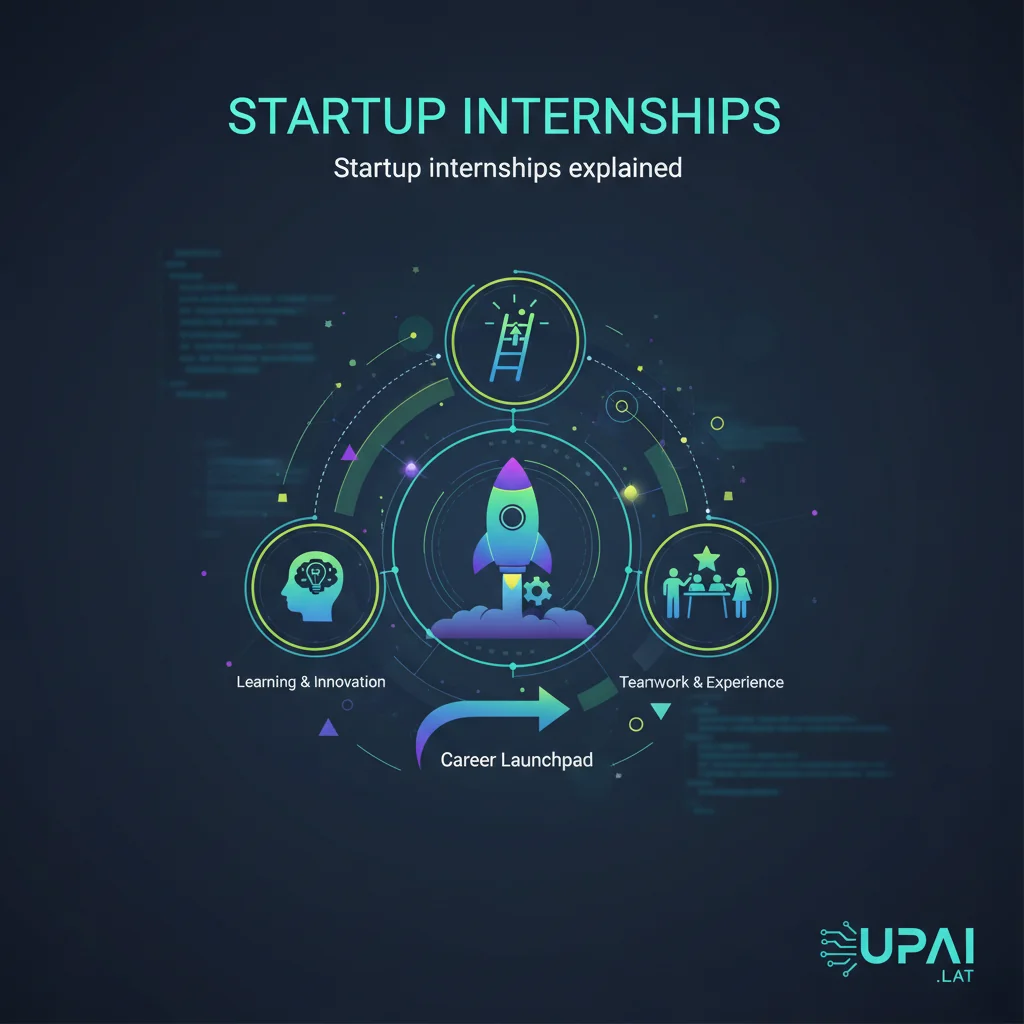
Key strategies for success include:
- Research the Company Deeply: Understand their product, market, competitors, recent news, and funding rounds. Be ready to discuss their mission and vision.
- Prepare Thoughtful Questions: Ask insightful questions about the company culture, team dynamics, specific projects, and how interns contribute. This demonstrates engagement.
- Showcase Problem-Solving: Be ready to discuss specific examples of challenges you've faced and how you've overcome them, emphasizing your process and results.
- Demonstrate Cultural Fit: Highlight your adaptability, willingness to learn, enthusiasm, and ability to thrive in a fast-paced, less structured environment.
- Follow Up Promptly: Send a personalized thank-you note within 24 hours, reiterating your interest and referencing specific points from the conversation.
- Be Prepared for Technical Assessments: For technical roles, coding challenges or technical discussions are common. Practice relevant skills beforehand.
Negotiating Your Offer and Setting Expectations
Once an offer is extended, it's important to understand the terms and ensure alignment with your expectations. While salary might be lower than in large corporations, consider the overall value proposition, including equity, learning opportunities, and mentorship.When negotiating, focus on:
- Understanding Compensation: Clarify salary, potential equity (stock options), and benefits. Startup equity can be a significant long-term incentive.
- Learning Opportunities: Discuss specific projects, access to training, and mentorship opportunities. These are often more valuable than a higher salary in the long run.
- Role and Responsibilities: Ensure a clear understanding of your day-to-day tasks, key performance indicators (KPIs), and how your work contributes to the company's goals.
- Work-Life Balance: While startups are demanding, clarify expectations around hours and flexibility.
- Growth Path: Inquire about potential for full-time conversion or continued engagement after the internship.
For Startups: Designing an Impactful Internship Program
Designing an impactful internship program for a startup necessitates a structured approach that defines clear objectives, provides meaningful work, and integrates interns fully into the team culture. A well-executed program not only benefits the interns by offering invaluable experience but also provides significant strategic advantages to the startup, including talent acquisition, increased productivity, and fresh perspectives on challenges. The key lies in creating a mutually beneficial relationship built on clear expectations and robust support systems.Strategic Planning and Objective Setting
Before recruiting, startups must clearly define the purpose and goals of their internship program. This involves identifying specific needs that interns can address and outlining measurable objectives for both the interns and the company. Without clear objectives, an internship can quickly become unstructured and unproductive for all parties involved.Consider these planning elements:
- Identify Business Needs: Pinpoint specific projects or areas where an intern can genuinely contribute, such as market research, content creation, social media management, data analysis, or product testing.
- Define Learning Outcomes: Articulate what skills and experiences the intern will gain. This makes the opportunity more attractive and helps structure the program.
- Set Measurable Goals: Establish clear, quantifiable objectives for each intern's contribution. For example, "Develop 10 SEO-optimized blog posts" or "Analyze user data to identify 3 key feature improvements." This clarity is essential for both intern and mentor. When drafting these goals, consider using tools like Headline Analyzer to ensure project titles are compelling, or Keyword Density to ensure content goals are aligned with SEO.
- Allocate Resources: Determine the financial investment (stipend, tools, software) and human resources (mentor time, onboarding support) required.
- Establish a Timeline: Define the duration of the internship and key milestones.
Recruitment and Selection Best Practices
Attracting top talent requires a compelling job description and a streamlined selection process that accurately assesses candidates' potential, cultural fit, and enthusiasm for the startup's mission. Startups often compete with larger companies for talent, so differentiating your offering is crucial.Effective recruitment strategies include:
- Craft an Engaging Job Description: Clearly outline responsibilities, required skills, learning opportunities, and the unique aspects of working at your startup. Use an SERP Preview tool to see how your job title and meta description will appear in search results, optimizing for visibility.
- Leverage Diverse Channels: Post on university career boards, startup-focused job sites, social media, and professional networks.
- Focus on Potential and Fit: Look for candidates with a strong desire to learn, adaptability, initiative, and alignment with your company culture, even if they lack extensive experience.
- Structured Interview Process: Use a consistent interview framework to evaluate candidates fairly. Include behavioral questions, skill assessments, and a chance for candidates to ask questions.
- Showcase Your Culture: During interviews, highlight what makes your startup a unique and exciting place to work.
- Be Transparent: Clearly communicate expectations regarding work hours, compensation, and the scope of work.
Onboarding and Integration
A robust onboarding process is vital to ensure interns feel welcomed, understand their role, and can quickly become productive members of the team. Poor onboarding can lead to disengagement and a lack of impact, negating the benefits of the internship.Essential onboarding steps:
- Pre-Internship Communication: Send a welcome email with practical information (start date, dress code, first-day agenda) and any pre-reading materials.
- First-Day Welcome: Introduce them to the team, provide a tour, and set up their workspace and necessary accounts (email, software).
- Clear Role Definition: Reiterate their responsibilities, project goals, and how their work contributes to the larger company mission.
- Assign a Mentor: Pair each intern with a dedicated mentor who can provide guidance, answer questions, and offer regular feedback.
- Access to Resources: Ensure they have access to all necessary tools, documentation, and team communication channels.
- Cultural Immersion: Include them in team meetings, social events, and company-wide communications to foster a sense of belonging.
Mentorship and Guidance
Effective mentorship is the cornerstone of a successful internship program, providing interns with support, direction, and opportunities for professional development. A dedicated mentor helps interns navigate challenges, learn new skills, and integrate into the team.Responsibilities of a good mentor:
- Regular Check-ins: Schedule weekly or bi-weekly one-on-one meetings to discuss progress, challenges, and learning.
- Constructive Feedback: Provide timely and specific feedback on performance, highlighting strengths and areas for improvement.
- Skill Development: Guide interns in acquiring new skills relevant to their role and career aspirations.
- Networking Opportunities: Introduce interns to other team members and relevant contacts within the industry.
- Advocacy: Champion the intern's work and contributions within the team and to senior leadership.
- Goal Alignment: Ensure the intern's projects remain aligned with the program's objectives and the company's needs.
Maximizing Your Startup Internship Experience (for Interns)
To truly maximize a startup internship, interns must adopt a proactive, curious, and adaptable mindset, consistently seeking opportunities to learn, contribute, and build meaningful relationships. The dynamic nature of startups rewards those who take initiative, ask insightful questions, and demonstrate a strong work ethic, transforming a temporary role into a significant career stepping stone. This involves more than just completing assigned tasks; it requires active engagement and strategic self-management.Taking Initiative and Proactivity
In a startup environment, waiting for tasks to be assigned is a missed opportunity. Proactivity means identifying problems, proposing solutions, and taking ownership of projects, even if they fall outside your immediate job description. This demonstrates your value and commitment to the company's success.Ways to show initiative:
- Ask "How can I help?": Beyond your core tasks, offer assistance to team members, especially during busy periods.
- Identify and Solve Problems: Notice inefficiencies or areas for improvement and proactively suggest or implement solutions.
- Propose New Ideas: Don't be afraid to share innovative thoughts or approaches to existing challenges.
- Take Ownership: When given a task, treat it as your own project, seeing it through from conception to completion.
- Seek Additional Responsibilities: Once you've mastered your initial tasks, express interest in taking on more challenging work.
Effective Communication and Feedback
Clear, concise, and frequent communication is paramount in a startup where information flows rapidly and decisions are made quickly. Actively seeking and incorporating feedback is equally crucial for continuous improvement and demonstrating your commitment to growth.Communication best practices:
- Keep Your Mentor Informed: Provide regular updates on your progress, challenges, and successes.
- Ask Clarifying Questions: If you're unsure about a task or expectation, ask for clarification rather than making assumptions.
- Listen Actively: Pay close attention during meetings and one-on-one discussions to fully grasp context and expectations.
- Seek Feedback Regularly: Proactively ask your mentor and team members for constructive criticism on your performance and contributions.
- Be Receptive to Feedback: Approach feedback with an open mind, viewing it as an opportunity for growth rather than criticism. Implement suggestions and show improvement.
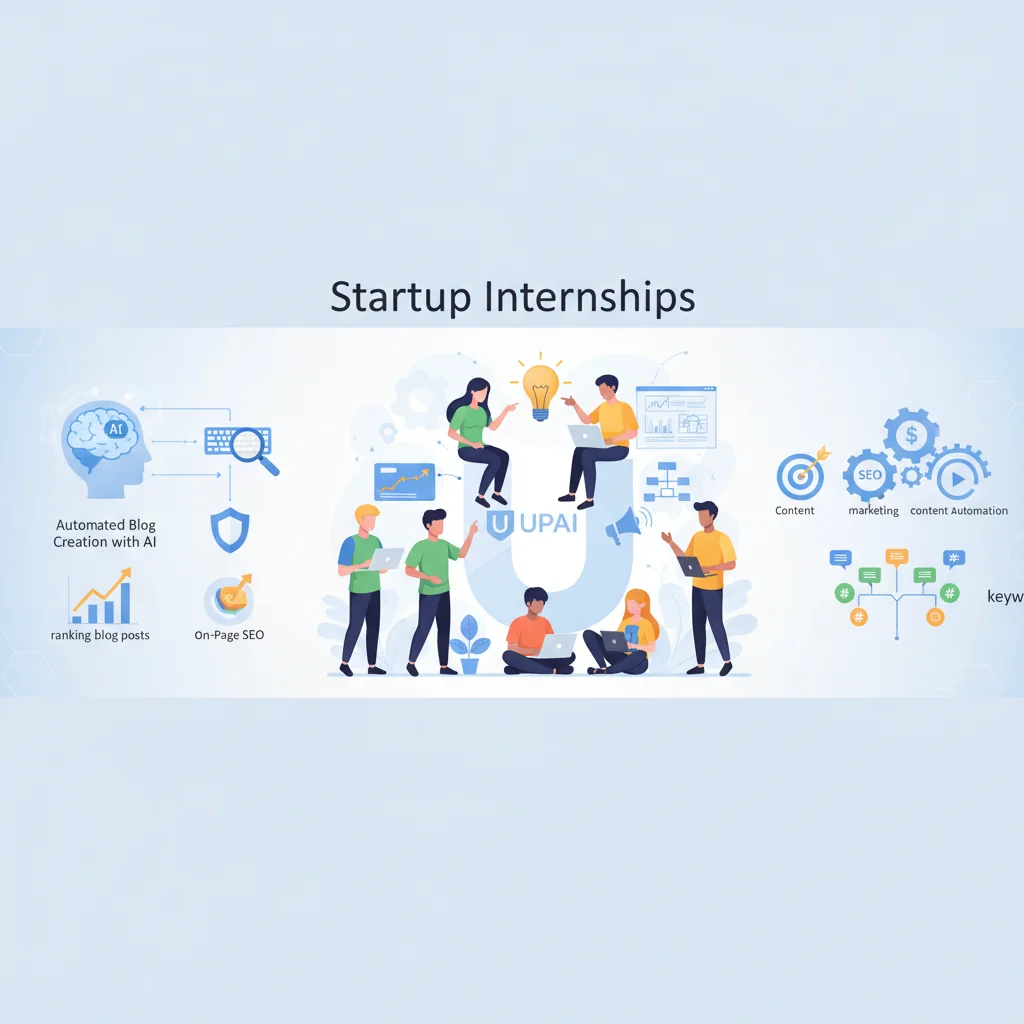
Networking and Relationship Building
The connections you make during your internship can be as valuable as the skills you acquire. Building genuine relationships with colleagues, mentors, and even other interns can open doors to future opportunities and provide a robust professional support system.Strategies for effective networking:
- Connect with Your Team: Get to know your direct colleagues and understand their roles and contributions.
- Engage with Leadership: If opportunities arise, interact with founders and senior leaders. Ask about their journey and insights.
- Attend Company Events: Participate in social gatherings, team lunches, and company-wide meetings to meet people informally.
- Connect on LinkedIn: After building rapport, send personalized connection requests to colleagues.
- Maintain Relationships: Stay in touch with key contacts even after your internship ends.
Documenting Your Contributions and Learning
Systematically documenting your projects, achievements, and lessons learned during the internship is crucial for future job applications and personal reflection. This creates a tangible record of your impact and growth.What to document:
- Project Summaries: For each major project, note the objective, your role, the actions you took, and the quantifiable results achieved.
- Skills Acquired: Keep a running list of new software, tools, methodologies, or soft skills you've developed.
- Challenges and Solutions: Document significant problems you encountered and how you successfully navigated them.
- Feedback Received: Record key pieces of feedback and how you applied them.
- Networking Log: Keep track of important contacts made and the context of your interactions.
This documentation will be invaluable when updating your resume, preparing for future interviews, or even writing content for your own blog. For instance, if you're documenting a content project, consider how an Earn Calculator might help estimate the monetary impact of your work, or how an FAQ Schema generator could have improved the project's SEO.
Measuring Success: Metrics for Startup Internship Programs (for Startups)
Measuring the success of a startup internship program is essential for demonstrating its value, justifying resource allocation, and continuously improving future iterations. Effective measurement moves beyond anecdotal evidence, relying on concrete metrics that quantify intern contributions, program efficiency, and long-term talent pipeline development. This data-driven approach ensures the program delivers tangible benefits to the startup's growth and operational goals.Quantifying Intern Project Impact
The most direct way to measure an internship's success is by evaluating the tangible impact of the intern's projects and contributions on the startup's objectives. This requires clear project definitions and methods for tracking progress and outcomes.Key impact metrics include:
- Project Completion Rate: The percentage of assigned projects or tasks that interns successfully complete within the given timeframe.
- Achieved Project Goals: How well intern projects meet their pre-defined objectives, such as "increased website traffic by X%" or "developed Y features."
- Cost Savings or Revenue Generation: Quantify any direct financial impact, such as optimizing a process that saved Z dollars or contributed to A in sales.
- Quality of Deliverables: Assess the quality of the intern's work product based on supervisor reviews and adherence to standards.
- Team Member Feedback: Collect qualitative feedback from team members on how the intern's contributions positively impacted their work or department.
Tracking Conversion and Retention Rates
A strong indicator of program success is the ability to convert interns into full-time employees and retain them within the company. This demonstrates that the internship effectively identifies and cultivates talent that aligns with the startup's long-term needs.Relevant conversion and retention metrics:
- Offer Acceptance Rate: The percentage of interns who accept a full-time offer at the end of their internship. A high rate signifies a compelling program and strong candidate fit.
- Full-Time Conversion Rate: The percentage of interns who are offered and accept full-time positions. This is a crucial metric for talent pipeline development.
- Retention Rate of Converted Interns: Track how long former interns stay with the company after being hired full-time. High retention indicates successful integration and satisfaction.
- Time-to-Hire Reduction: Measure if hiring former interns reduces the time and cost associated with recruiting external candidates.
Intern and Team Feedback Mechanisms
Gathering feedback from both interns and the teams they work with is invaluable for identifying strengths, weaknesses, and areas for improvement within the internship program. This qualitative data complements quantitative metrics, providing deeper insights into the intern experience.Effective feedback strategies:
- Mid-Point and Exit Interviews for Interns: Conduct structured interviews to gather feedback on their experience, mentorship, projects, and overall satisfaction.
- Anonymous Surveys: Use surveys to collect honest feedback from interns regarding program structure, support, and perceived value.
- Manager/Mentor Feedback Forms: Have mentors evaluate the intern's performance, growth, and contribution, as well as the effectiveness of their own mentorship.
- Team Feedback: Collect input from team members who collaborated with interns on their experience and any perceived benefits or challenges.
- Sentiment Analysis: If using open-ended feedback, apply sentiment analysis to identify recurring themes and overall program sentiment.
Calculating ROI for Internship Investments
While often challenging to quantify directly, understanding the Return on Investment (ROI) of an internship program helps justify its existence and secure future resources. This involves comparing the costs associated with the program against the benefits derived.Components for ROI calculation:
- Costs: Include intern stipends, mentor time, onboarding resources, software licenses, and any recruitment expenses.
- Benefits (Quantifiable):
- Value of completed projects (e.g., market research reports, code contributions, content generated).
- Cost savings from internal projects completed by interns that would otherwise require external contractors or full-time employees.
- Reduced recruitment costs for full-time hires from the intern pool.
- Improved employer brand and talent pipeline.
For example, if an intern develops a series of SEO-optimized blog posts, you can use an Earn Calculator to estimate the potential revenue generated by that content over time, providing a tangible ROI figure for their contribution.
Common Mistakes in Startup Internships and How to Avoid Them
Both interns and startups frequently make avoidable mistakes that can undermine the value and success of an internship experience, leading to disengagement, missed opportunities, and wasted resources. Recognizing these common pitfalls and proactively implementing strategies to mitigate them is crucial for fostering a truly beneficial and productive partnership. Addressing these issues ensures that the internship serves its intended purpose of mutual growth and contribution.For Interns: Avoiding Pitfalls
Interns often enter startup environments with high expectations but may fall short due to a lack of proactive engagement, unclear communication, or an underestimation of the unique demands of a fast-paced company. Avoiding these common errors can significantly enhance an intern's learning and impact.Here are common mistakes interns make and how to avoid them:
- Being Passive: Waiting for tasks rather than seeking them out or identifying problems to solve.
Solution: Be proactive. Ask for more work, propose ideas, and offer help to team members. Always have a "what's next?" mindset.
- Lack of Communication: Not asking questions, failing to provide updates, or hesitating to seek feedback.
Solution: Communicate frequently and clearly with your mentor and team. Ask clarifying questions, provide regular progress reports, and actively solicit feedback.
- Underestimating Cultural Fit: Not adapting to the startup's informal culture or failing to understand its values.
Solution: Observe and adapt. Understand the company's mission and values, participate in team activities, and align your approach with the existing culture.
- Not Documenting Work: Failing to keep a record of projects, achievements, and learned skills.
Solution: Maintain a detailed log of your contributions, including challenges faced and solutions implemented. This is invaluable for your resume and future interviews.
- Fear of Failure: Hesitating to take risks or propose innovative ideas due to fear of making mistakes.
Solution: Embrace experimentation. Startups thrive on innovation; view mistakes as learning opportunities and be willing to try new things.
- Poor Time Management: Struggling to prioritize tasks or meet deadlines in a dynamic environment.
Solution: Utilize productivity tools, create daily to-do lists, and communicate proactively if you anticipate missing a deadline. Learn to prioritize effectively.
For Startups: Preventing Program Failure
Startups, despite their agility, can inadvertently create ineffective internship programs through a lack of structure, poor mentorship, or assigning meaningless work. These issues can lead to intern dissatisfaction, wasted resources, and a tarnished employer brand.| Common Mistake (Ineffective Practice) | How to Avoid (Effective Practice) |
|---|---|
| Unclear Expectations & Projects: Interns are given vague tasks or busywork without clear goals or purpose. | Define Clear Objectives: Assign specific, impactful projects with measurable goals that align with company needs. Ensure interns understand how their work contributes to the larger mission. |
| Lack of Mentorship & Support: Interns are left to fend for themselves with minimal guidance or feedback. | Implement Dedicated Mentorship: Assign a specific mentor who commits to regular check-ins, provides constructive feedback, and offers professional guidance throughout the internship. |
| Poor Onboarding Process: Interns are not properly introduced to the team, tools, or company culture. | Develop a Structured Onboarding: Provide a comprehensive onboarding experience that includes introductions, tool setup, access to resources, and an overview of company culture and values. |
| Treating Interns as Cheap Labor: Viewing interns solely as a way to get low-cost work done, without investing in their development. | Focus on Mutual Growth: Design the program as a learning and development opportunity for interns, while also benefiting from their contributions. Invest in their skills and provide real-world challenges. |
| No Feedback Mechanism: Failing to solicit feedback from interns or provide them with performance evaluations. | Establish Feedback Loops: Conduct mid-point and exit interviews. Provide regular performance reviews and encourage interns to share their feedback on the program. |
| Isolation from Team: Interns are not integrated into team meetings, social events, or communication channels. | Foster Integration: Include interns in all relevant team activities, discussions, and social events to ensure they feel like valued members of the team. |
The Future of Startup Internships: Trends and Predictions (2026)
The landscape of startup internships is continually evolving, driven by technological advancements, changing workforce expectations, and the dynamic nature of the global economy. By 2026, several key trends are shaping these programs, emphasizing flexibility, specialized skill development, and a greater integration of artificial intelligence into daily tasks and learning processes. Understanding these shifts is crucial for both interns seeking relevant experiences and startups designing competitive programs.Rise of Remote and Hybrid Internships
The shift towards remote and hybrid work models, accelerated by global events, has permanently reshaped how internships are conducted. By 2026, remote and hybrid internships are not merely alternatives but often the default, offering greater accessibility and flexibility for both interns and startups. This trend allows startups to tap into a wider talent pool beyond geographical limitations.Implications of remote/hybrid models:
- Increased Accessibility: Students from diverse locations can access opportunities at leading startups, breaking down geographical barriers.
- Flexibility: Interns can often manage their schedules more effectively, balancing academic commitments with work.
- Focus on Digital Tools: Interns gain proficiency in remote collaboration tools, project management software, and virtual communication platforms.
- Enhanced Documentation: Startups are compelled to create clearer documentation and processes for remote work, benefiting all employees.
- Challenges: Requires strong self-discipline from interns and robust virtual mentorship programs from startups to maintain engagement and oversight.
AI and Automation in Internship Roles
Artificial intelligence and automation tools are increasingly integrated into startup operations, impacting the nature of intern tasks. Interns are now often expected to work alongside AI tools, leveraging them to enhance productivity, analyze data, and even generate initial content drafts. This requires a new set of skills focused on prompt engineering, data interpretation, and AI-assisted workflows.Impact of AI on internships:
- AI as a Co-pilot: Interns will use AI for tasks like data analysis, content generation, coding assistance, and market research.
- Focus on Higher-Order Thinking: Routine, repetitive tasks will be automated, allowing interns to focus on strategic thinking, problem-solving, and creative execution.
- Demand for AI Literacy: Interns with strong prompt engineering skills and an understanding of AI's capabilities and limitations will be highly sought after.
- Skill Development: Programs will emphasize teaching interns how to effectively integrate AI tools into their workflows, rather than performing tasks manually.
- Ethical Considerations: Interns will also be exposed to and learn about the ethical implications and responsible use of AI in business.
For example, an intern working on content marketing for a startup might use AI to generate initial blog post outlines, then refine them using tools like UPAI's SEO Checker and Readability tool to ensure optimization and clarity. The ability to leverage such tools effectively is a critical skill in 2026.
Focus on Specialized and Niche Skills
As startups become more specialized and competitive, the demand for interns with niche skills and specific expertise is growing. Generalist roles are giving way to opportunities requiring proficiency in areas like data science, cybersecurity, specific programming languages, advanced digital marketing, or deep understanding of emerging technologies like blockchain or quantum computing.Trends in skill requirements:
- Data Analytics: Strong demand for interns who can collect, analyze, and interpret complex datasets to inform business decisions.
- Cybersecurity: With increasing digital threats, interns specializing in security protocols and threat detection are highly valued.
- Specific Programming Languages: Expertise in languages relevant to the startup's tech stack (e.g., Python for AI, Rust for web3) is a significant advantage.
- Advanced Digital Marketing: Beyond basic social media, interns with skills in SEO, A/B testing, conversion rate optimization, and analytics are crucial.
- User Experience (UX) Research and Design: A growing need for interns who can conduct user research and contribute to intuitive product design.
Emphasis on Diversity, Equity, and Inclusion
Startups are increasingly recognizing the strategic importance of diversity, equity, and inclusion (DEI) in building innovative and resilient teams. Internship programs are being designed to actively recruit from underrepresented groups, fostering a more inclusive environment and broadening the perspectives within the company.DEI initiatives in internships:
- Targeted Outreach: Partnering with organizations and educational institutions that serve diverse student populations.
- Inclusive Hiring Practices: Implementing blind resume reviews, structured interviews, and diverse interview panels to reduce bias.
- Mentorship Programs: Establishing mentorship specifically for interns from underrepresented backgrounds to provide additional support.
- Inclusive Culture: Creating a workplace environment where all interns feel valued, respected, and have equal opportunities to succeed.
- Education and Training: Providing DEI training for mentors and team members to ensure an inclusive experience for all interns.
Conclusion: Automating Your Content Strategy for Startup Growth
Startup internships offer an invaluable reciprocal relationship, providing unparalleled growth opportunities for aspiring professionals and critical support for early-stage companies navigating competitive landscapes. For interns, these experiences are foundational for career acceleration, skill diversification, and network expansion. For startups, well-structured programs are a strategic investment in talent acquisition, innovation, and brand building. By understanding the unique dynamics of startup environments, proactively engaging, and continually adapting to emerging trends like remote work and AI integration, both interns and startups can maximize the benefits of these transformative experiences. As a startup ourselves, UPAI understands the critical need for efficiency and impact. Just as interns provide fresh energy and focused effort, our AI-powered platform empowers startups and content marketers to generate high-ranking, SEO-optimized content with unprecedented speed and accuracy. From analyzing SEO scores to previewing search results, and improving readability to optimizing headlines, UPAI provides the tools necessary to scale your content strategy effectively. You can even generate FAQ schema markup to boost your visibility or analyze keyword density for optimal ranking. Empower your startup's growth story by leveraging AI to automate your blog and dominate your niche. Automate Your Blog with AI.Frequently Asked Questions
What kind of experience can I expect from a startup internship?
Are startup internships paid?
How do I find startup internship opportunities?
What skills are most valuable for a startup intern?
Can a startup internship lead to a full-time job offer?
What are the biggest differences between a startup internship and a corporate internship?
Related Articles

How to Get a Job at a Startup: Your 2026 Guide
Looking for a job at a startup in 2026? Discover how to land your dream role with our strategic guide. Learn what startups seek and how to stand out.

Find Your Dream Startup Remote Jobs: A Comprehensive Guide
Discover how to land exciting startup remote jobs. Learn strategies to find, secure, and thrive in these flexible, high-impact roles. Start your remote career today!

Startup Company Internships: Gain Real-World Experience
Discover the unique advantages of startup company internships. Gain hands-on experience, contribute to growth, and learn in a dynamic environment. Explore opportunities today!
More free AI tools from the same team
Grow your LinkedIn presence on autopilot. Try LinkedIn automation and AI content for free.
Read the Linkesy blogAsk AI about UPAI
Click your favorite assistant to learn more about us