
The Iconic PS2 Startup: A Masterclass in Gaming Nostalgia
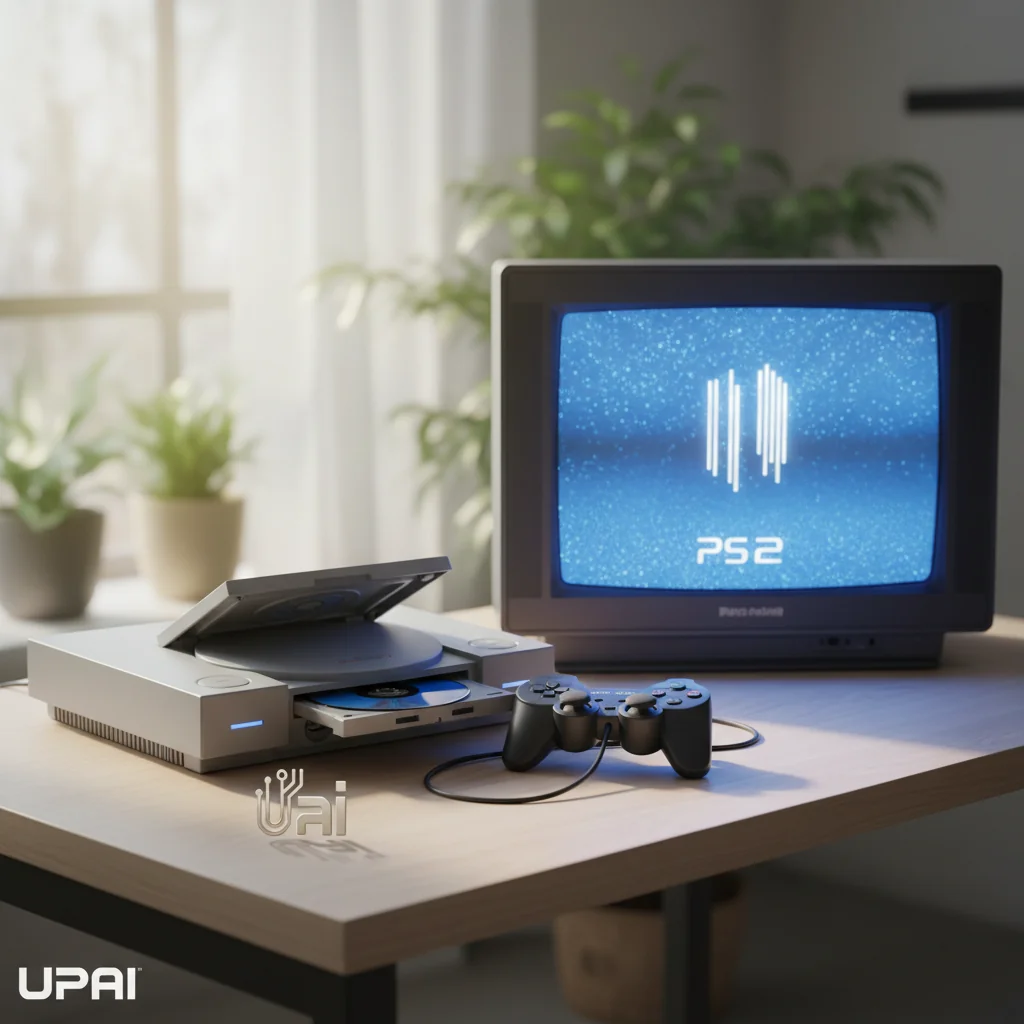
The iconic PlayStation 2 (PS2) startup sequence is a brief, yet profoundly impactful, audio-visual journey that served as a masterclass in brand identity, user anticipation, and cultural resonance, etching itself into the memories of millions of gamers worldwide since its debut in Japan on March 4, 2000. This digital overture, featuring the distinctive "towers" and ethereal soundscape, signaled the dawn of a new era in gaming, setting the stage for what would become the best-selling home console of all time. For content creators and marketers in June 2026, analyzing the PS2 startup offers invaluable lessons in crafting memorable first impressions, leveraging nostalgia, and building an enduring brand narrative, even in the fast-paced world of AI-powered content generation.
Understanding the design principles and psychological impact behind such a globally recognized sequence provides a unique lens through which to optimize modern content strategies, from blog post introductions to website user experience. By dissecting what made the PS2's boot-up so effective, we uncover universal truths about engaging an audience, fostering anticipation, and creating content that stands the test of time, much like the console itself.
Key takeaways
- The PS2 startup sequence is a prime example of effective brand identity, using distinct audio-visual elements to create an immediate and lasting impression.
- Nostalgia marketing is a powerful tool; content that taps into shared cultural memories significantly boosts engagement and brand loyalty.
- User experience (UX) begins with the very first interaction; a well-crafted "startup" (like a blog's introduction or site navigation) sets the tone for the entire user journey.
- Simplicity and symbolism in design contribute to content's memorability, making complex ideas accessible and impactful.
- Analyzing niche cultural phenomena like the PS2 startup can reveal deep insights into audience psychology, informing more effective content strategies and keyword targeting.
- AI-powered tools can help creators analyze, structure, and optimize content to replicate the "wow" factor and emotional resonance found in iconic cultural artifacts.
The Enduring Allure: An Introduction to the PS2 Startup Phenomenon
The PlayStation 2 startup sequence is a meticulously designed digital experience that transcended its functional purpose, becoming a powerful symbol of a gaming generation and a benchmark for digital branding. This brief yet profound opening act, lasting approximately 12 to 15 seconds depending on disc detection, prepared players for immersive experiences and solidified Sony's brand identity. Its enduring allure stems from a harmonious blend of minimalist design, futuristic soundscapes, and an immediate sense of anticipation, making it far more than a simple boot screen.
Launched in 2000, the PS2 arrived at a pivotal moment in technology and entertainment, offering DVD playback capabilities alongside groundbreaking gaming graphics. The startup sequence itself, with its abstract "towers" symbolizing the countless games and memories stored within the console's memory cards, ingeniously communicated the vast potential and digital landscape the console offered. This intro was not merely a loading screen; it was an integral part of the PS2's user experience, setting an emotional and aesthetic precedent for every gaming session.
For content creators, the PS2 startup serves as an exceptional case study in creating memorable first impressions and building brand loyalty. It demonstrates that even the most fleeting interactions can be optimized for maximum impact, fostering a deep connection with the audience. The principles embedded in its design—simplicity, emotional resonance, and clear brand messaging—remain highly relevant for anyone looking to produce high-ranking, engaging content in today's digital environment.
The design choices behind the PS2 startup were deliberate, aiming to evoke a sense of wonder and technological sophistication. The deep, resonant sound, often described as a "choir of angels" or a "futuristic hum," immediately captured attention and conveyed power. Coupled with the graceful ascent of the towers, this sequence created an atmosphere of digital grandeur that few other consoles have managed to replicate. This orchestrated introduction established a powerful brand narrative, one of innovation, vast possibilities, and unparalleled entertainment.
Moreover, the sequence subtly integrated functional elements. The number of towers displayed corresponds to the number of saved game files on the inserted memory cards, a clever visual representation of personal progress and engagement. This personalized touch, even in a seemingly generic boot-up, deepened the user's connection to their console and their gaming journey. Such thoughtful integration of utility and aesthetics is a cornerstone of effective content design, ensuring that every element contributes to the overall user experience and brand message.
Today, the PS2 startup is frequently revisited through online videos, memes, and discussions within retro gaming communities, demonstrating its lasting cultural footprint. This continued engagement highlights the power of iconic design and emotional connection, offering valuable insights for content marketers seeking to create evergreen content that resonates across generations. By understanding these foundational elements, content creators can better strategize their own "startup" sequences—be it a blog post's opening paragraph, a website's loading screen, or a brand's introductory video—to captivate their audience from the very first interaction.
Decoding the Visuals and Sounds: Anatomy of an Iconic Boot Sequence
The PS2 startup sequence is a masterclass in minimalist design and effective sensory branding, meticulously crafted to evoke anticipation and establish a strong brand identity through its distinctive visuals and soundscape. This brief digital overture combines abstract 3D graphics with an ethereal audio track, creating an indelible first impression that remains instantly recognizable decades later. The visual elements, primarily the "towers" and the PlayStation logo, work in concert with the unique sound to create a cohesive and powerful brand experience.
Visually, the sequence is dominated by the dynamic generation of vertical "towers" that rise from a shimmering, reflective plane. These towers are not merely decorative; they are symbolic representations. Each tower represents a saved game file on the connected memory cards, creating a personalized visual history for the player. The more games saved, the more towers appear, subtly reinforcing the user's investment in the PlayStation ecosystem. The environment itself is stark yet futuristic, featuring a deep blue or black background, a reflective floor, and subtle lighting effects that give the scene depth and mystery.
The sound design is arguably the most memorable component of the PS2 startup. Composed by Ken Kutaragi's team, the audio track begins with a low, reverberating hum that builds into a complex, almost choral, crescendo. This sound is characterized by its deep bass frequencies, ethereal synth pads, and a distinct, almost spiritual quality. It effectively communicates power, technological sophistication, and a sense of impending wonder, preparing the player for the expansive worlds they are about to enter. The sound acts as an auditory signature, instantly recognizable even without the visuals, reinforcing brand recall.
The combination of these elements creates a potent psychological effect. The minimalist visuals prevent information overload, allowing the viewer's attention to be drawn to the symbolic towers and the emerging PlayStation logo. The reflective surface adds a layer of sophistication, hinting at the console's graphical capabilities. The sound, building in intensity, generates a palpable sense of excitement and anticipation, a feeling often associated with the beginning of a grand adventure. This carefully orchestrated sensory input transforms a functional boot process into an emotional experience.
The design principles at play here—simplicity, symbolism, and sensory engagement—are highly applicable to content creation. A strong blog post introduction, for instance, should similarly use clear, concise language and evocative imagery (or descriptive text) to immediately capture the reader's attention. Just as the PS2 startup avoids clutter, effective content avoids jargon and unnecessary complexity, focusing on core messages. The consistent branding, from the PlayStation logo's animation to the specific sound, ensures that the user recognizes and associates these elements with the quality and experience of the PS2 brand.
The success of the PS2 startup lies in its ability to tell a story without words. It communicates themes of digital exploration, personal journey (through saved games), and technological prowess through abstract visual metaphors and an immersive soundscape. Content creators can learn from this by focusing on how their own content tells a story, even in its most basic elements. A website's loading animation, a blog's header image, or even the choice of font and color scheme all contribute to this unspoken narrative, shaping the user's perception and engagement. This holistic approach to design is crucial for building a strong, recognizable brand identity in the digital space.

Technical Deep Dive: How the PS2 Startup Worked Under the Hood
The PlayStation 2 startup sequence was not merely a cinematic flourish; it was a carefully orchestrated software and hardware interaction, managed by the console's BIOS (Basic Input/Output System) and Emotion Engine processor, that performed critical system checks while simultaneously engaging the user. This intricate process initiated the console's core functionalities, from hardware verification to memory card detection, all while rendering the iconic audio-visual display. Understanding its technical underpinnings provides insight into the engineering prowess of the era and the optimization required for such a memorable sequence.
When a PS2 console is powered on, the first component to activate is the BIOS, which is stored on a ROM chip. The BIOS is responsible for initializing the system's hardware components, including the CPU (Emotion Engine), GPU (Graphics Synthesizer), memory, and I/O controllers. It performs a Power-On Self-Test (POST) to ensure all components are functioning correctly. This initial phase is critical for system stability and precedes any user-facing display.
Once the basic hardware checks are complete, the BIOS loads the kernel and initiates the PS2 operating system. During this process, the console also checks for the presence of memory cards in the slots. This memory card check is directly tied to the visual aspect of the startup: the number of "towers" that appear corresponds to the number of saved game files detected across all inserted memory cards. This clever integration of system status into the visual narrative demonstrates efficient resource utilization and thoughtful user feedback.
The rendering of the 3D "towers" and the PlayStation logo, along with the playback of the distinctive audio, is handled by the Emotion Engine and Graphics Synthesizer. The Emotion Engine, a powerful CPU, manages the geometry processing and overall scene orchestration, while the Graphics Synthesizer renders the pixels to the screen. The sound, likely stored as compressed audio data within the BIOS or a dedicated sound ROM, is decoded and output through the console's audio hardware. This entire sequence is highly optimized to run quickly and smoothly, ensuring a consistent user experience regardless of the console's age or condition.
A crucial technical detail is the PS2's ability to boot directly into a game if a disc is inserted and recognized, bypassing the full memory card tower animation. If no disc is present or recognized, the console defaults to the System Browser interface, where users can manage memory cards, configure system settings, or launch applications from a network adapter. The startup sequence thus acts as a dynamic gateway, adapting its behavior based on the immediate operational context, a sophisticated design choice for its time.
This technical efficiency and integrated design offer lessons for modern web development and content delivery. Websites and applications also have "startup" sequences: loading times, initial animations, and immediate content presentation. Optimizing these elements is paramount for user retention. For example, ensuring that a website loads quickly and presents key information without delay is analogous to the PS2's efficient boot process. Tools like UPAI's SEO Checker can analyze page load speed and other technical SEO factors that contribute to a smooth "startup" for web content.
Furthermore, the PS2's ability to visually represent system data (memory card saves) within the startup sequence highlights the power of data visualization. Content creators can apply this by finding intuitive ways to display complex information, making it more digestible and engaging for their audience. Whether through infographics, interactive charts, or simple visual cues, integrating data meaningfully enhances the user experience and reinforces the content's value. The PS2 startup's technical elegance demonstrates that even foundational processes can be elevated through thoughtful design and optimization.
The Cultural and Psychological Impact: Why We Remember the PS2 Startup
The PlayStation 2 startup sequence transcended its functional role to become a powerful cultural touchstone, deeply embedded in the collective consciousness of a generation of gamers due to its unique blend of anticipation, nostalgia, and symbolic representation. This brief digital intro, far from being a mere technical formality, skillfully leveraged psychological principles to create an enduring emotional connection with its audience. Its lasting impact stems from its ability to evoke a specific emotional state and to symbolize a period of significant personal and technological advancement.
One of the primary psychological effects of the PS2 startup was the generation of immense anticipation. The slow build-up of the ethereal music, combined with the gradual appearance of the towers and the PlayStation logo, created a sense of impending wonder and excitement. This is a classic example of Pavlovian conditioning: players associated the specific audio-visual cues with the thrilling gaming experiences that followed. Over time, the startup itself became a signal for fun, adventure, and escape, reinforcing its positive emotional valence. This learned association made the sequence inherently pleasurable, even before a game had fully loaded.
The "towers" themselves played a crucial symbolic role. As established, they represented saved game files, effectively visualizing the player's journey and achievements within the PlayStation ecosystem. This personalization, even if subtle, fostered a sense of ownership and connection. Each tower was a tiny monument to hours spent, victories won, and stories experienced, turning a technical display into a personal archive. This psychological reinforcement of personal investment deepened the bond between player and console.
Nostalgia is another significant factor in the PS2 startup's lasting cultural impact. For many, the sequence is inextricably linked to their childhood or formative years, conjuring memories of late-night gaming sessions, shared experiences with friends, and the excitement of discovering new virtual worlds. This powerful emotional recall makes the startup a potent trigger for positive feelings, driving its continued popularity in retro gaming communities and online discussions. The sequence acts as a time capsule, instantly transporting individuals back to a cherished era.
Culturally, the PS2 startup has achieved meme status and is frequently referenced in discussions about iconic console designs. Its distinct sound is often sampled or parodied, and its visuals are recreated in fan art and digital tributes. This widespread recognition and appropriation demonstrate its deep penetration into popular culture, extending far beyond the initial gaming audience. Such cultural ubiquity is a testament to its strong and unambiguous brand identity, which allowed it to be easily understood and replicated.
For content creators, these insights are invaluable. To create content that resonates deeply and is remembered, it must tap into similar psychological triggers. Crafting an engaging introduction that builds anticipation, offering personalized experiences (where appropriate), and leveraging shared cultural references or nostalgia can significantly enhance audience connection. A blog post's opening, like the PS2 startup, should aim to set an emotional tone, clearly signal the value to come, and leave a lasting impression. Using tools like UPAI's Headline Analyzer can help craft titles that immediately grab attention and build anticipation, mirroring the PS2's impactful opening.
The PS2 startup teaches us that design is not just about aesthetics; it's about engineering emotion and memory. By creating a consistent, emotionally resonant "first impression," content creators can build stronger brands, foster deeper audience loyalty, and ensure their work is not only consumed but remembered and cherished for years to come. This enduring legacy is a powerful reminder of the impact thoughtful design can have on human experience.

PS2 Startup as a Masterclass in Branding and UX for Content Creators
The PlayStation 2 startup sequence stands as an exceptional case study in effective branding and user experience (UX) design, offering profound lessons for content creators seeking to establish a strong identity and engage their audience from the very first interaction. Its success lies in its ability to communicate core brand values, generate anticipation, and provide subtle utility within a concise and memorable package, principles directly transferable to modern content marketing. By dissecting its elements, content creators can refine their own digital "startup" experiences.
Brand Identity through Sensory Design: The PS2 startup is a quintessential example of sensory branding. The distinct, ethereal sound and the abstract, futuristic visuals immediately identify the product as PlayStation. This consistent audio-visual signature created an immediate, visceral connection that reinforced the brand with every power-on. For content creators, this translates to developing a consistent brand voice, visual style, and even specific introductory elements for their content. A blog's logo, color palette, writing tone, and even the structure of its introductory paragraphs contribute to this sensory identity. Just as the PS2's startup was instantly recognizable, a strong content brand should be unmistakable to its audience.
Anticipation and Emotional Engagement: The startup sequence masterfully builds anticipation. The gradual rise of the towers and the swelling, atmospheric music create a sense of wonder and excitement for the gaming session ahead. This emotional engagement is crucial for UX. In content, this means crafting compelling headlines, intriguing introductions, and clear value propositions that make the reader eager to consume the rest of the content. A bland or confusing opening can be as detrimental as a slow, uninspired console boot. Tools like UPAI's Headline Analyzer are designed to help content creators craft titles that spark curiosity and promise value, much like the PS2's startup promised adventure.
Simplicity and Clarity: Despite its emotional depth, the PS2 startup is visually and audibly simple. It avoids clutter, focusing on a few key elements: the logo, the towers, and the sound. This minimalist approach ensures clarity and prevents cognitive overload. For content, this means prioritizing readability and clear messaging. Long, dense paragraphs, excessive jargon, or confusing navigation can overwhelm an audience. Content should be easy to scan, understand, and navigate, allowing the core message to shine through. UPAI's Readability tool can help ensure content is digestible and clear, mirroring the PS2's uncluttered introduction.
Subtle Utility and Feedback: The PS2 startup wasn't purely aesthetic; the number of towers provided subtle feedback about the user's saved game data. This integration of utility within an aesthetic experience enhances UX. In content, this means providing immediate value or clear navigation cues in the introduction. For example, a table of contents (like the one in this article) or a clear statement of the problem the content will solve offers immediate utility. This ensures the user feels informed and guided from the outset, much like the PS2 user seeing their game history represented.
Memorability and Longevity: The PS2 startup's iconic status is a testament to its memorability. It's unique, consistent, and emotionally resonant. Content creators aspire to create content that is not just consumed but remembered and shared. This requires crafting unique perspectives, distinctive narratives, and high-quality production values. By investing in a memorable "startup" for their content—whether it's a unique intro video, a signature writing style, or a powerful opening statement—creators can build content that stands the test of time and becomes a part of their audience's cultural landscape.
The PS2 startup provides a blueprint for creating powerful first impressions that convert casual observers into loyal followers. By applying its lessons in sensory branding, emotional engagement, simplicity, utility, and memorability, content creators can significantly enhance their content's impact and build a stronger, more enduring brand presence in the crowded digital arena.
Key Design Principles from the PS2 Startup for Content Creators
- Consistency is King: Maintain a consistent brand voice, visual style, and thematic elements across all content to build recognition and trust.
- Evoke Emotion: Design content introductions to generate curiosity, anticipation, or immediate emotional resonance, drawing the audience in.
- Prioritize Clarity: Ensure your initial content is easy to understand, free of clutter, and directly communicates its core value.
- Provide Subtle Utility: Integrate small, helpful features or immediate navigational cues that guide the user and add value from the start.
- Strive for Memorability: Craft unique and distinctive elements in your content's "startup" phase that leave a lasting impression and encourage recall.
Leveraging Nostalgia and Niche Content for SEO and Audience Engagement
The enduring popularity and search interest surrounding the PS2 startup sequence demonstrate the immense power of nostalgia and niche content in capturing audience attention and driving significant organic traffic, providing a clear roadmap for content creators to enhance their SEO and engagement strategies. By understanding how to identify, target, and produce content around deeply resonant niche topics, marketers can cultivate highly engaged communities and establish authoritative positions within specific segments. This approach moves beyond broad keyword targeting to focus on topics that trigger strong emotional responses and sustained interest.
Niche Keyword Identification: The term "ps2 startup" itself is a niche keyword, yet it generates consistent search volume from a dedicated audience. Identifying such keywords requires deep understanding of your target demographic's interests, hobbies, and past experiences. Tools for keyword research go beyond simple volume metrics; they should also consider sentiment and relevance. For example, searching for "retro console boot screens" or "iconic video game sounds" might uncover related niche interests. UPAI's platform assists in comprehensive keyword research, allowing creators to uncover these high-value, specific terms that resonate with passionate audiences.
Nostalgia as an Engagement Driver: Nostalgia is a powerful emotional trigger that fosters feelings of comfort, connection, and happiness. Content that successfully taps into nostalgia, like detailed articles about the PS2 startup, creates an immediate emotional bond with the audience. This bond translates into higher engagement rates, longer dwell times, and increased social sharing—all positive signals for search engines. When crafting nostalgic content, authenticity is key; it must genuinely reflect the shared memory rather than simply exploiting it.
Building Authority and Trust: By consistently producing high-quality, in-depth content on niche topics like the PS2 startup, a content creator can establish themselves as an authority within that specific domain. Google's E-E-A-T (Experience, Expertise, Authoritativeness, Trustworthiness) guidelines heavily favor content from credible sources. A comprehensive article that delves into the history, technical aspects, and cultural impact of the PS2 startup, for instance, demonstrates deep expertise. This authoritative content is more likely to rank well and be cited by other sources, including AI models, further bolstering its SEO value.
Optimizing for AI Citation (GEO): AI models like ChatGPT and Gemini are increasingly used to synthesize information and answer user queries. To be cited by these models, content must be structured for easy extraction of facts and answers. The "answer-first" principle, where the first 2-3 sentences of each section directly answer the implied question of the heading, is crucial. Defining key terms clearly ("X is...") and using scannable formats like lists and tables also makes content highly "AI-friendly." A well-optimized piece on the PS2 startup, detailing its components and impact, becomes a prime candidate for AI summarization and citation. UPAI's AI-powered content generation inherently incorporates many of these GEO principles to ensure maximum visibility.
Monetization Potential of Niche Audiences: While niche topics might have smaller absolute search volumes compared to broad terms, the audience they attract is often highly passionate, engaged, and willing to convert. A blog that consistently ranks for "ps2 startup" and related terms attracts dedicated retro gaming enthusiasts who are excellent targets for affiliate marketing (e.g., retro hardware, emulation guides), digital products (e.g., e-books on console history), or even direct advertising. The engagement rate and conversion potential of niche audiences frequently outweigh their smaller size. UPAI's Earn Calculator can help estimate the monetization potential of content targeting specific niches.
Leveraging nostalgia and focusing on niche content is not just an SEO tactic; it's a strategy for building a loyal, engaged community. By understanding the emotional drivers behind search queries like "ps2 startup" and applying robust content creation and optimization techniques, content creators can carve out valuable spaces in even the most competitive digital landscapes.
Strategies for Niche Content Domination
- Deep Dive into Specificity: Instead of broad topics, focus on granular details within a niche (e.g., "PS2 startup sound analysis" rather than "PS2 history").
- Embrace Long-Tail Keywords: Target longer, more specific keyword phrases that indicate higher user intent and less competition.
- Create Evergreen Content: Produce content that remains relevant over time, such as historical analyses, technical breakdowns, or cultural retrospectives.
- Foster Community Engagement: Encourage comments, discussions, and user-generated content around niche topics to boost engagement signals.
- Cross-Promote on Niche Platforms: Share content on forums, subreddits, and social media groups dedicated to your specific niche.
| Console | Release Year | Visuals | Sound | Emotional Impact | Brand Message |
|---|---|---|---|---|---|
| PlayStation 2 | 2000 | Abstract "towers," reflective surface, logo reveal | Ethereal, deep, atmospheric, building crescendo | Anticipation, wonder, nostalgia, digital vastness | Innovation, power, immersive worlds |
| Nintendo GameCube | 2001 | Simple purple logo, cube animation, "boing" sound | Playful, bouncy, cartoonish "boing" | Joy, whimsy, fun, lightheartedness | Family-friendly, unique, imaginative |
| Xbox (Original) | 2001 | Green "X" logo, liquid-like animation, light flares | Grandiose, orchestral, futuristic, robotic hum | Power, intensity, technological prowess | Aggressive, powerful, cutting-edge |
| Sega Dreamcast | 1998 | Swirling orange logo, simple white background | Mechanical, whirring, then triumphant chime | Hope, innovation (initially), sense of urgency | Future, connectivity, arcade at home |
| PlayStation 3 | 2006 | "XMB" wave, particle effects, "Welcome to PlayStation" | Harmonious, calm, sophisticated, futuristic chime | Sophistication, next-gen, multimedia hub | Advanced, connected, entertainment ecosystem |
Common Mistakes in Content Strategy and First Impressions
Many content creators inadvertently undermine their efforts by making critical mistakes in their content strategy and how they present their initial impressions, often failing to replicate the immediate impact and lasting memorability seen in examples like the PS2 startup. These errors typically stem from a lack of user-centric design, insufficient planning, or an underestimation of the power of a strong "startup" experience. Avoiding these pitfalls is essential for achieving higher engagement, better SEO rankings, and stronger brand recall.
1. Overlooking the Introduction as a Critical Hook: A common mistake is treating the introduction of a blog post or website as a mere formality rather than a crucial hook. Just as the PS2 startup immediately captivated users, your content's opening must grab attention. Long, meandering intros that delay getting to the point, lack a clear value proposition, or fail to set the tone effectively will cause readers to bounce. The first few sentences must directly address the reader's implied question or pain point, establishing relevance and promising value. UPAI's content generation focuses on creating engaging, answer-first introductions.
2. Inconsistent Branding and User Experience (UX): Failing to maintain a consistent brand voice, visual style, and overall user experience across all content elements is a significant misstep. If a website's navigation is clunky, its visuals are disjointed, or its tone shifts dramatically, it creates cognitive dissonance and erodes trust. The PS2's consistent audio-visual branding created a seamless, predictable experience. Content creators must ensure their brand identity is clear and consistent from the headline to the conclusion, providing a cohesive journey for the user. Utilize tools like UPAI's SERP Preview to see how your brand appears even before the user clicks.
3. Ignoring Readability and Scannability: Producing dense, unbroken blocks of text without proper formatting, headings, lists, or short paragraphs is a frequent error that severely hinders content consumption. Modern audiences scan content before reading it in-depth. Content that is hard to read or navigate will be abandoned quickly. Effective content, much like the PS2's clear visual cues, is designed for scannability. This means using short paragraphs (4-5 lines max), bullet points, numbered lists, subheadings (H2, H3), and bold text to break up information and guide the reader's eye. UPAI's Readability tool helps identify and correct these issues, ensuring your content is easy to digest.
4. Lack of Clear Keyword Strategy for Niche Topics: Many creators either chase overly broad keywords with high competition or fail to identify valuable niche keywords that resonate with a specific, engaged audience. Neglecting long-tail keywords or topics that tap into specific cultural phenomena (like the PS2 startup) means missing out on highly targeted traffic. A robust keyword strategy involves understanding user intent and identifying opportunities in less competitive, but highly passionate, niches. Relying solely on general terms often leads to getting lost in the noise. UPAI helps with detailed keyword analysis to pinpoint these lucrative niches.
5. Underestimating Technical SEO Factors: Overlooking technical aspects like page load speed, mobile responsiveness, and proper schema markup can significantly impact a content's "startup" performance in search results. A slow-loading page, for instance, is the digital equivalent of a console taking an eternity to boot up—it frustrates users and leads to high bounce rates. Ensuring a fast, accessible, and technically sound website is fundamental for a positive first impression and strong SEO. UPAI offers tools like SEO Checker and FAQ Schema to address these technical necessities, improving both user experience and search engine visibility.
By consciously avoiding these common mistakes and adopting a user-centric, strategically planned approach to content creation, marketers can significantly improve their content's impact, engagement, and long-term success, drawing inspiration from iconic experiences like the PlayStation 2 startup.
The Future of Startup Sequences and Content Automation
The evolution of digital "startup sequences," from the iconic PS2 boot to modern website loading screens, underscores a persistent need for immediate engagement and strong brand identity, a principle that AI-powered content automation is now revolutionizing. As technology advances, the focus remains on creating seamless, captivating first impressions, and AI tools are becoming indispensable for content creators to achieve this efficiently and at scale. The future lies in intelligent automation that can analyze, adapt, and optimize every aspect of content delivery, much like a sophisticated system boot sequence.
Personalized and Adaptive Startups: Imagine a website or application that tailors its introductory experience based on the user's past behavior, preferences, or even real-time emotional state. AI can analyze vast datasets to create dynamic loading screens, personalized welcome messages, or adaptive content suggestions that act as a "smart startup." This level of personalization, far beyond the PS2's memory card towers, will deepen user engagement from the very first second, making every interaction feel uniquely designed for them. AI-driven platforms will facilitate the creation of such highly responsive and individualized user journeys.
AI-Powered Content Optimization for First Impressions: Content automation tools are already adept at optimizing headlines, introductions, and visual elements to maximize impact. AI can analyze millions of data points to determine which phrases, images, or even sound snippets generate the highest click-through rates and engagement. For example, UPAI's Headline Analyzer uses AI to score and suggest improvements, ensuring that the "startup" of your content—its title—is as compelling as possible. This extends to analyzing the first paragraph for readability, keyword density, and emotional resonance.
Semantic Understanding and Contextual Relevance: The next generation of AI will excel at semantic understanding, allowing content to be generated and presented with unprecedented contextual relevance. For a topic like "ps2 startup," AI can automatically identify related cultural phenomena, technical specifications, and historical context, weaving them into a comprehensive and highly informative piece. This ensures that every part of the content, especially the introduction, is perfectly aligned with user intent and provides immediate value, mirroring the PS2 startup's clear purpose and symbolism.
Efficiency and Scalability in Content Creation: The demand for high-quality, SEO-optimized content is ever-increasing. AI-powered platforms like UPAI enable content creators to generate extensive, well-structured articles on niche topics much faster than traditional methods. This efficiency allows creators to cover more ground, target a wider range of keywords (including long-tail and nostalgic terms), and maintain a consistent publishing schedule, all while adhering to best practices for readability, keyword density, and AI citation. Tools like Keyword Density become vital for ensuring optimal keyword usage without overstuffing.
Measuring and Adapting Performance: AI will continue to enhance content analytics, providing deeper insights into how users interact with content, particularly during initial impressions. By tracking metrics like bounce rate, time on page, and conversion rates, AI can identify patterns and suggest real-time optimizations for headlines, introductory paragraphs, and even the overall content structure. This iterative process of creation, measurement, and adaptation ensures that content "startups" are continuously refined for maximum effectiveness. The goal is to create a feedback loop that constantly improves the user's initial encounter with your brand and content.
The lessons from the PS2 startup—about creating powerful first impressions, evoking emotion, and building a strong brand—are more relevant than ever. With advanced AI, content creators can now systematically apply these principles, automating the generation of highly optimized, engaging, and memorable content that captures attention from the very first interaction. Automate Your Blog with AI.
The PlayStation 2 startup sequence remains a timeless example of how thoughtful design, even in the most functional contexts, can create profound emotional connections and establish an enduring brand identity. Its blend of minimalist visuals, evocative sound, and subtle utility crafted a 'first impression' that captivated millions and continues to resonate decades later. For content creators and marketers in the digital age, the lessons are clear: prioritize engaging introductions, maintain consistent branding, optimize for user experience, and leverage the power of nostalgia and niche topics to build a loyal audience. Just as the PS2 startup set the stage for countless adventures, your content's opening act can define its success.
By applying these principles and harnessing the capabilities of AI-powered tools, content creators can streamline their workflow, produce high-ranking content faster, and ensure their digital presence leaves an unforgettable mark. Ready to transform your content strategy and create blog posts that stand the test of time? Automate Your Blog with AI and start crafting your own iconic digital 'startups' today.
Frequently Asked Questions
What sound does the PS2 make when it starts up?
What are the 'towers' that appear during the PS2 startup?
Why is the PS2 startup sequence so memorable?
Can I customize the PS2 startup screen?
What was the purpose of the PS2 startup sequence?
Does the PS2 startup sequence change depending on the game?
More free AI tools from the same team
Grow your LinkedIn presence on autopilot. Try LinkedIn automation and AI content for free.
Read the Linkesy blogAsk AI about UPAI
Click your favorite assistant to learn more about us