
Movie Startups: Innovating Film Production & Distribution
The landscape of film and entertainment is undergoing a profound transformation, with movie startups emerging as agile innovators that are redefining how films are conceived, produced, distributed, and consumed. These ventures, often leveraging cutting-edge technology and unconventional business models, attracted over $2.5 billion in venture capital funding in 2023, signaling a robust appetite for disruption in an industry historically dominated by established studios. From AI-powered script analysis to blockchain-based distribution and interactive storytelling platforms, movie startups are not just creating films; they are building the future infrastructure of cinematic experiences, making strategic content marketing and SEO indispensable for their survival and growth in a competitive digital ecosystem.
Key Takeaways
- Movie startups leverage technology and innovative models to disrupt traditional film production, distribution, and consumption.
- Content marketing and SEO are critical for movie startups to attract investment, build audience, and establish industry presence.
- AI offers transformative potential for film ventures in script development, production efficiency, personalized marketing, and audience engagement.
- A robust content strategy for movie startups must encompass diverse formats, targeted distribution, and consistent value delivery to resonate with specific audiences.
- Effective on-page SEO, including meticulous keyword research and technical optimization, is essential for movie startup websites to rank highly and capture organic traffic.
- Monetization strategies for film startups extend beyond direct sales, utilizing content to foster community, drive subscriptions, and attract strategic partnerships.
Understanding the Landscape of Movie Startups: Innovation in Film
Movie startups are entrepreneurial ventures that introduce novel approaches, technologies, or business models to the film industry, challenging traditional production, distribution, and exhibition paradigms. These entities are characterized by their agility, focus on niche markets, and often heavy reliance on technological innovation to streamline processes or create entirely new cinematic experiences. Their emergence is a direct response to shifts in audience consumption habits, advancements in digital production tools, and the increasing demand for diverse, personalized content.The film industry, historically slow to adopt radical change due to its capital-intensive nature and entrenched distribution networks, is now fertile ground for disruption. Movie startups are capitalizing on this by offering solutions ranging from AI-driven script development and virtual production studios to decentralized content platforms and interactive storytelling applications. These companies are not merely making films; they are building the future infrastructure of entertainment, requiring a sophisticated understanding of both creative artistry and technological scalability.
A movie startup is defined as a new company aiming to innovate within the film sector, often by integrating technology to improve efficiency, reach new audiences, or create unique content. These innovations can span the entire value chain, from pre-production to post-distribution, and include areas such as:
- Production Technology: Developing new cameras, virtual production tools (e.g., LED volumes), or AI-assisted editing software.
- Distribution Platforms: Creating niche streaming services, blockchain-based distribution networks, or direct-to-consumer models.
- Audience Engagement: Building interactive film experiences, social viewing platforms, or personalized content recommendation engines.
- Financing Models: Exploring crowdfunding, tokenized film financing, or alternative investment structures.
- Content Creation: Utilizing AI for script analysis, character development, or even generating synthetic media.
The challenges faced by these startups are significant, including securing substantial funding, navigating complex intellectual property laws, competing with established studios, and building a sustainable audience base. However, the potential rewards are equally substantial, as successful movie startups can redefine industry standards and capture significant market share by addressing underserved audiences or unmet technological needs. Their success hinges not only on their innovative product or service but also on their ability to effectively communicate their vision and value proposition to investors, collaborators, and the ultimate consumer—the audience.
Navigating the Digital Frontier: Why Content and SEO are Critical for Movie Startups
Content marketing and SEO are not merely supplementary activities for movie startups; they are foundational pillars for establishing credibility, attracting investment, building an audience, and ultimately achieving market penetration. In a fragmented digital landscape where attention is a scarce commodity, strategic content and optimized web presence determine whether a startup's innovative film project or platform gains visibility or remains undiscovered. This strategic approach ensures that potential investors, collaborators, and future audiences can easily find, understand, and engage with the startup's unique value proposition.The film industry is inherently about storytelling, and content marketing extends this storytelling beyond the film itself. For a movie startup, content marketing involves creating and distributing valuable, relevant, and consistent content to attract and retain a clearly defined audience. This content can range from behind-the-scenes blogs and filmmaker interviews to concept art galleries, industry insights, and interactive experiences that build anticipation and connection long before a film's release. SEO, or search engine optimization, then ensures that this valuable content is discoverable by people actively searching for related topics, whether they are investors looking for the next big thing, talent seeking innovative projects, or audiences craving new cinematic experiences.
Consider the typical journey of a movie startup:
- Concept & Development: Refining the idea, script, and business model.
- Fundraising: Pitching to investors, seeking grants, or crowdfunding.
- Production: Bringing the film or platform to life.
- Marketing & Distribution: Reaching audiences and securing exhibition.
- Post-Release & Growth: Engaging with the audience and scaling operations.
At every stage, content and SEO play a crucial role. During fundraising, a startup needs a compelling website, detailed whitepapers, and thought leadership articles to demonstrate its vision and market viability. During production, behind-the-scenes content builds early buzz. For marketing and distribution, optimized landing pages, trailers, and press releases are essential for discoverability. A strong content strategy, supported by robust SEO, allows a movie startup to control its narrative, engage its community, and stand out in a crowded market.
Tools like UPAI's SEO Checker become invaluable for movie startups to analyze their website's performance and ensure their content is technically optimized for search engines. This includes assessing factors like site speed, mobile responsiveness, and proper indexing, all of which contribute to higher rankings and greater visibility. Similarly, using a SERP Preview tool helps movie startups visualize how their film titles, platform names, and promotional content will appear in Google search results, enabling them to craft compelling titles and meta descriptions that entice clicks.
By proactively integrating content and SEO into their core strategy, movie startups can:
- Attract Investors: A professional, high-ranking online presence signals legitimacy and foresight.
- Build an Audience: Engaging content creates a community around the project or platform.
- Recruit Talent: Showcasing innovative work attracts skilled filmmakers and technologists.
- Secure Distribution: A strong digital footprint demonstrates market potential and audience interest.
- Control Narrative: Own the story of their innovation, rather than relying on external media.
Ultimately, for a movie startup, content and SEO are not just about getting found; they are about building a brand, fostering a community, and laying the groundwork for long-term success in a highly competitive and rapidly evolving industry.
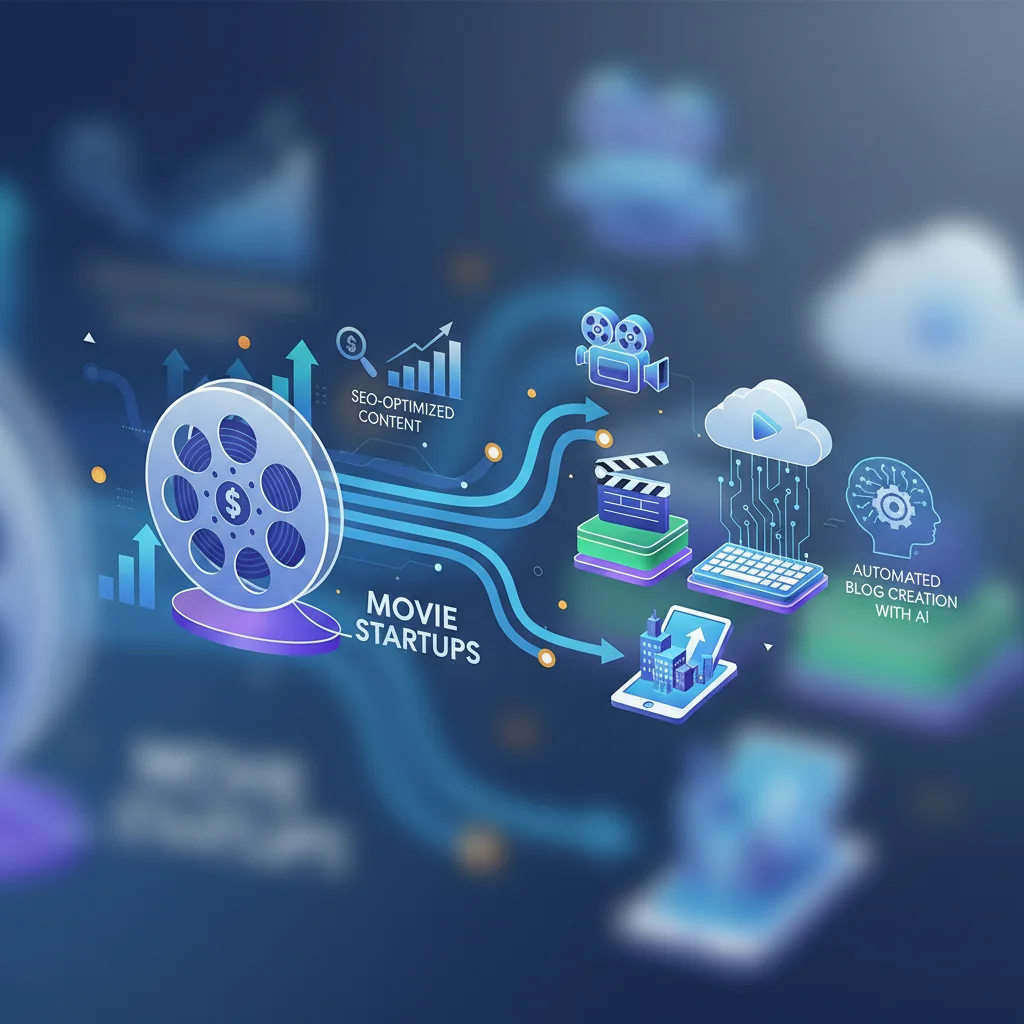
Leveraging AI for Movie Startups: Beyond Scriptwriting
Artificial intelligence offers movie startups a multifaceted toolkit that extends far beyond automated script generation, providing transformative capabilities across the entire film value chain from concept development to personalized audience engagement. While AI's role in creative writing often captures headlines, its true power for startups lies in its ability to streamline labor-intensive processes, extract actionable insights from vast datasets, and enable hyper-targeted marketing, thereby reducing costs and enhancing efficiency. This strategic integration allows agile startups to compete more effectively with larger, more established industry players by optimizing resources and accelerating innovation.AI, or Artificial Intelligence, is the simulation of human intelligence processes by machines, especially computer systems. These processes include learning, reasoning, problem-solving, perception, and language understanding. In the context of movie startups, AI applications are diversifying rapidly, offering solutions that were once the exclusive domain of large studios with extensive resources.
AI in Pre-Production and Development
In the initial stages, AI can significantly accelerate and refine creative decisions. Script analysis tools powered by natural language processing (NLP) can evaluate narrative structures, identify plot holes, predict audience reception, and even suggest character development arcs. This helps screenwriters and producers iterate faster and make data-informed creative choices. Furthermore, AI can assist in casting by analyzing actor performance data, social media sentiment, and demographic appeal to suggest optimal matches for roles, moving beyond traditional subjective methods.
- Script Analysis: AI algorithms can parse scripts to identify genre conventions, pacing issues, emotional beats, and even forecast box office potential based on historical data.
- Concept Generation: Generative AI can assist in brainstorming unique plotlines, character backstories, or world-building concepts, providing a creative springboard for human writers.
- Casting Optimization: AI can analyze actor portfolios, past performance metrics, and audience engagement data to recommend talent that aligns with specific roles and target demographics.
- Budget Forecasting: Machine learning models can predict production costs with greater accuracy by analyzing historical data from similar projects, helping startups manage finances more effectively.
AI in Production and Post-Production
During filming and editing, AI contributes to efficiency and innovation. Virtual production technologies, often leveraging AI, enable filmmakers to create complex digital environments in real-time, reducing the need for expensive location shoots and extensive post-production VFX. AI-powered tools can automate tedious tasks like rotoscoping, motion tracking, and even initial color grading, freeing up human artists to focus on more creative aspects. This directly translates to cost savings and faster turnaround times, critical for resource-constrained startups.
- Virtual Production: AI drives real-time rendering of digital sets and effects, allowing directors to visualize and interact with virtual environments on set.
- Automated Editing: AI can assist in generating initial cuts, identifying optimal takes, or even synchronizing audio and video, significantly speeding up the post-production workflow.
- Visual Effects (VFX) Enhancement: AI algorithms can automate complex VFX tasks such as de-aging actors, generating realistic crowds, or refining CGI elements.
- Sound Design: AI can generate ambient sounds, clean up audio tracks, or even compose basic musical scores, providing a foundation for human sound designers.
AI in Marketing and Distribution
Perhaps one of the most impactful areas for movie startups is AI's role in audience understanding and personalized marketing. AI-driven analytics can segment audiences with unprecedented precision, identifying micro-niches and predicting content preferences. This enables hyper-targeted advertising campaigns that maximize ROI. Recommendation engines, a staple of streaming platforms, can be tailored by startups to connect specific content with individual viewers, enhancing discoverability and engagement. Furthermore, AI can monitor social media sentiment and online trends, allowing startups to adapt their marketing strategies in real-time and capitalize on emerging cultural conversations.
- Audience Segmentation: AI analyzes viewing habits, demographics, and behavioral data to create highly granular audience segments for targeted marketing.
- Personalized Recommendations: Custom AI algorithms can suggest films or content based on individual user preferences, increasing engagement on proprietary platforms.
- Sentiment Analysis: AI monitors social media and online reviews to gauge public perception of films or marketing campaigns, allowing for quick adjustments.
- Ad Optimization: AI-powered platforms can dynamically allocate advertising spend across various channels to maximize reach and conversion rates based on real-time performance.
For movie startups focusing on their own content marketing, UPAI's tools like the Readability checker can ensure that their marketing copy, blog posts, and press releases are clear and engaging for their target audience. Coupled with the Headline Analyzer, startups can craft compelling titles that capture attention in a crowded digital space, whether for a film announcement or an investor pitch deck summary. By embracing AI, movie startups can not only innovate in filmmaking but also in how they connect with the world.
Crafting an Unstoppable Content Strategy for Film Ventures
An unstoppable content strategy for film ventures is a meticulously planned framework that aligns diverse content formats with specific audience segments and business objectives, ensuring consistent brand messaging and maximum impact across all digital touchpoints. This strategy moves beyond simply promoting a film; it builds a narrative around the startup itself, cultivating a loyal community, attracting crucial investment, and establishing thought leadership within the evolving entertainment industry. A well-executed content strategy is not just about what to say, but how, when, and where to say it to resonate most effectively with the target audience.A content strategy is the planning, development, and management of content—written or in other media. It encompasses everything from blog posts and social media updates to videos, podcasts, and interactive experiences. For movie startups, this means strategically creating content that not only showcases their films but also highlights their innovative approach, their team, and their vision for the future of cinema.
Defining Your Audience and Objectives
Before creating any content, a movie startup must clearly define its target audience. Are you primarily trying to attract investors, recruit talent, engage early adopters for a new platform, or build anticipation for a specific film? Each audience segment requires different types of content and distribution channels.
For instance, investors might be interested in whitepapers, detailed business plans, and market analysis articles, while early adopters of a new streaming platform might prefer sneak peeks, interviews with developers, and interactive demos. Understanding these distinctions is paramount.
Content Pillars and Formats
A robust content strategy for movie startups typically revolves around several key content pillars:
- Behind-the-Scenes & Making-Of: Documenting the production process, showcasing innovative techniques, and introducing the creative team. This builds authenticity and humanizes the brand.
- Thought Leadership & Industry Insights: Publishing articles, whitepapers, or podcast episodes that discuss trends in film technology, distribution, or audience behavior. This positions the startup as an expert and innovator.
- Filmmaker Spotlights & Interviews: Highlighting the talent involved, their creative process, and their vision. This attracts both collaborators and audiences interested in the craft.
- Interactive Content: Quizzes, polls, AR filters, or short interactive narratives that engage audiences directly with the film's universe or the startup's technology.
- Promotional & Announcement Content: Trailers, teasers, press releases, and launch event coverage. This is the more traditional marketing aspect but must be integrated within the broader strategy.
- User-Generated Content (UGC): Encouraging audiences to create and share their own content related to the film or platform, fostering a sense of community and organic reach.
The choice of format is equally crucial:
| Content Format | Strategic Use for Movie Startups | Target Audience |
|---|---|---|
| Blog Posts/Articles | SEO, thought leadership, detailed explanations of technology or creative process, investor updates. | Investors, industry professionals, early adopters, general audience. |
| Video (Trailers, BTS, Vlogs) | High engagement, visual storytelling, emotional connection, platform demos. | General audience, talent, investors. |
| Podcasts/Audio Blogs | In-depth interviews, industry discussions, accessible on-the-go content, niche communities. | Industry professionals, film enthusiasts, specific niche audiences. |
| Social Media Posts (Image, Short Video, Text) | Real-time engagement, community building, quick updates, viral potential, behind-the-scenes glimpses. | General audience, fans, potential collaborators. |
| Whitepapers/Case Studies | Demonstrating technological innovation, market potential, business model validation. | Investors, strategic partners, B2B clients. |
| Interactive Experiences (AR/VR, Quizzes) | Immersive engagement, unique brand experience, data collection, virality. | Early adopters, tech enthusiasts, specific niche audiences. |
Distribution and Promotion
Creating great content is only half the battle; effective distribution ensures it reaches the right eyes. This includes leveraging social media platforms (Instagram for visuals, LinkedIn for industry insights, TikTok for short-form virality), email newsletters, industry publications, and strategic partnerships. Cross-promotion with collaborators, cast members, and other complementary startups can significantly amplify reach.
For movie startups serious about their content's visibility, UPAI's Keyword Density tool helps ensure their articles and website copy are optimized for relevant search terms without keyword stuffing. This is crucial for attracting organic traffic from people searching for specific film genres, technologies, or industry trends. Furthermore, implementing FAQ Schema on their website can help movie startups answer common questions about their projects or platform directly in search results, improving visibility and user experience.
Measurement and Iteration
A truly unstoppable content strategy is dynamic. Movie startups must continuously track key performance indicators (KPIs) such as website traffic, engagement rates, social media reach, lead generation (for investors/partners), and conversion rates (for platform sign-ups or ticket sales). Analyzing this data allows for iterative improvements, refining content topics, formats, and distribution channels to maximize impact and ROI. This data-driven approach ensures that the content strategy remains agile and responsive to market changes and audience feedback.

Mastering On-Page SEO for Movie Startup Success
Mastering on-page SEO is paramount for movie startups to ensure their innovative projects, platforms, and compelling stories are discoverable by search engines and, consequently, by their target audiences and investors. On-page SEO involves optimizing individual web pages to rank higher and earn more relevant traffic in search engine results, directly impacting visibility and credibility in a crowded digital landscape. By meticulously tuning elements like content, keywords, titles, and technical structure, startups can significantly improve their organic search performance without relying solely on paid advertising.On-page SEO refers to all the optimization efforts made directly on a website's pages, as opposed to off-page SEO, which involves external signals like backlinks. For movie startups, this translates to making sure that every piece of content—from a film's landing page to an investor relations blog post—is crafted in a way that search engines can easily understand and rank for relevant queries. This involves a combination of content quality, technical optimization, and user experience considerations.
Comprehensive Keyword Research
The foundation of effective on-page SEO is thorough keyword research. Movie startups must identify the terms and phrases their target audience uses when searching for films, innovative technologies, investment opportunities, or industry insights. This goes beyond generic terms like "new movies" and dives into niche-specific keywords such as "AI film production tools," "blockchain film financing," "interactive storytelling platforms," or specific genre + location combinations (e.g., "indie horror film Los Angeles").
Tools like UPAI's Keyword Density analyzer can help startups ensure their target keywords are used appropriately throughout their content, maintaining a natural flow while signaling relevance to search engines. The goal is to achieve an optimal density without engaging in keyword stuffing, which can harm rankings.
When conducting keyword research, consider:
- Search Volume: How many people search for this term monthly?
- Keyword Difficulty: How hard is it to rank for this term?
- User Intent: Is the user looking for information, a transaction, or navigation?
- Long-Tail Keywords: More specific, often longer phrases that indicate higher purchase or engagement intent.
Optimizing Content Elements
Once keywords are identified, they must be strategically integrated into various on-page elements:
- Title Tags: The most crucial on-page element. Each page needs a unique, compelling title tag (under 60 characters) that includes the primary keyword and accurately describes the page's content. This is what appears as the clickable headline in SERP results. Using UPAI's SERP Preview tool allows startups to visualize how their titles and meta descriptions will look in Google, enabling them to optimize for click-through rates.
- Meta Descriptions: A concise summary (150-160 characters) of the page's content, also containing keywords. While not a direct ranking factor, a well-written meta description significantly influences click-through rates from search results.
- Header Tags (H1, H2, H3): Structure content logically using headers. The H1 should contain the primary keyword, and H2s and H3s should break down the content into easily digestible sections, often incorporating secondary keywords or related concepts.
- High-Quality Content: The content itself must be informative, engaging, and comprehensive, directly addressing the user's search intent. For movie startups, this means detailed film synopses, insightful articles on filmmaking tech, compelling investor pitches, or engaging blog posts about the creative process. The content should be unique and provide real value. UPAI's Readability tool can help ensure that complex topics are presented in an accessible and engaging manner for the target audience.
- Image Optimization: All images should have descriptive alt text that includes relevant keywords. This helps search engines understand the image content and improves accessibility. Image file sizes should also be optimized for fast loading.
- Internal Linking: Strategically link to other relevant pages within the startup's website. This helps search engines discover and index more pages, distributes "link equity," and guides users through related content, improving engagement.
- External Linking: Link out to authoritative and relevant external sources when appropriate. This adds credibility to your content and provides additional value to the user.
Technical On-Page Considerations
Beyond content, several technical aspects contribute to strong on-page SEO:
- Page Speed: Websites that load quickly provide a better user experience and are favored by search engines. Optimize images, leverage browser caching, and minimize code.
- Mobile Responsiveness: Ensure the website is fully responsive and provides an excellent experience on all devices, especially smartphones, as mobile search now dominates.
- URL Structure: Create clean, descriptive, and keyword-rich URLs (e.g.,
yourstartup.com/film-title-ai-production). - Schema Markup: Implement structured data (like FAQ Schema, VideoObject, or Organization Schema) to help search engines better understand the content and display rich results in SERPs. This can give movie startups a significant advantage in visibility.
- Core Web Vitals: Focus on metrics like Largest Contentful Paint (LCP), Cumulative Layout Shift (CLS), and First Input Delay (FID) to ensure a good user experience, which Google considers a ranking factor.
By diligently applying these on-page SEO principles, movie startups can significantly enhance their digital footprint, making it easier for potential investors, collaborators, and audiences to discover their groundbreaking work. Regularly using tools like UPAI's SEO Checker can provide a holistic view of a page's optimization status and identify areas for improvement, ensuring continuous SEO performance.
Monetization and Growth: Sustaining Your Movie Startup Through Strategic Content
Sustaining a movie startup requires a robust monetization strategy that extends beyond traditional film sales, leveraging strategic content to build diverse revenue streams and foster long-term growth. Content, when integrated intelligently into the business model, becomes an asset that attracts investors, cultivates audience loyalty, drives subscriptions, and opens doors to strategic partnerships. This approach recognizes that the value of a film venture's content is not limited to its direct consumption but also encompasses its power to engage, inform, and convert across various touchpoints.Monetization for movie startups is a complex endeavor, often requiring innovative approaches that go hand-in-hand with their disruptive nature. While traditional film studios rely heavily on box office, home entertainment, and licensing deals, startups can explore a broader spectrum of revenue models, many of which are directly supported or enhanced by their content strategy.
Direct-to-Consumer (D2C) Models
Many movie startups are bypassing traditional distributors to connect directly with their audience, often through proprietary platforms. This model offers greater control over content, pricing, and audience data.
- Subscription Video on Demand (SVOD): Offering exclusive content through a monthly or annual subscription. Content (trailers, behind-the-scenes, interviews, early access) is crucial for attracting and retaining subscribers.
- Transactional Video on Demand (TVOD): Selling or renting individual films. Content marketing creates awareness and drives these one-time purchases.
- Premium Video on Demand (PVOD): Releasing new films digitally at a premium price, often concurrently with or instead of theatrical release.
- Crowdfunding & Fan-Funding: Engaging the audience directly to fund production, often offering tiered rewards like exclusive content, merchandise, or even producer credits. Content plays a vital role in showcasing the project and inspiring contributions.
For startups considering these models, UPAI's Earn Calculator can help estimate the potential revenue from different content strategies, allowing them to model various subscription tiers or transactional pricing structures and understand the financial implications of their content output.
Content as a Marketing and Sales Tool
Even when direct monetization isn't the primary goal of a specific piece of content, it serves a critical role in the sales funnel.
- Lead Generation for Investment: High-quality whitepapers, industry reports, and thought leadership articles can attract potential investors by demonstrating market understanding and innovation.
- Talent Acquisition: Showcasing innovative projects and a supportive culture through content (e.g., "day in the life" videos, team spotlights) can attract top-tier talent.
- Brand Building & Awareness: Consistent, valuable content builds brand recognition and establishes the startup as a credible player in the industry. This indirect monetization leads to future opportunities.
- Community Engagement: Interactive content, Q&As, and forums build a loyal community around the startup or its films, fostering word-of-mouth marketing and reducing customer acquisition costs.
Strategic Partnerships and Licensing
Content can open doors to lucrative partnerships and licensing opportunities.
- Platform Partnerships: Collaborating with existing streaming services or tech companies to distribute content or integrate innovative technologies. A strong portfolio of original content makes a startup an attractive partner.
- Brand Integrations & Sponsorships: Integrating brands into films or content series, or securing sponsorships for production or distribution.
- Merchandising & Ancillary Products: Leveraging film IP to create merchandise, games, or other products that generate additional revenue. Content marketing helps promote these products.
- Technology Licensing: If a movie startup develops proprietary AI tools for production or distribution, licensing this technology to other studios or filmmakers can be a significant revenue stream. Content (case studies, demos) is essential for marketing these B2B offerings.
The Role of Data and Analytics
Effective monetization and growth are intrinsically linked to data analytics. Movie startups must track how their content performs, who engages with it, and how that engagement translates into revenue. AI-driven analytics can provide insights into audience preferences, content consumption patterns, and the effectiveness of different monetization models. This data-driven approach allows startups to:
- Optimize Content Production: Focus resources on content types and genres that resonate most with their paying audience.
- Refine Pricing Strategies: Adjust subscription tiers or film prices based on demand and perceived value.
- Personalize User Experiences: Offer tailored content recommendations or promotions to increase engagement and reduce churn.
- Identify New Opportunities: Uncover underserved niches or emerging trends that can be exploited for future content creation and monetization.
By strategically integrating content creation with diverse monetization models and leveraging data analytics, movie startups can build sustainable businesses that not only disrupt the industry creatively but also achieve significant financial success. Content is not just what they produce; it is a core driver of their business model and a key to their long-term growth.
Common Pitfalls and How to Avoid Them in the Movie Startup Ecosystem
Movie startups, despite their innovative spirit, frequently encounter a range of common pitfalls that can derail their progress, from misjudging market demand to underestimating the complexities of content distribution and neglecting crucial business fundamentals. Recognizing and proactively addressing these challenges is essential for survival and growth in the highly competitive and capital-intensive film industry. Avoiding these missteps requires a blend of foresight, strategic planning, and a willingness to adapt.1. Underestimating Market Research and Niche Definition
The Pitfall: Many startups fall in love with an idea without thoroughly validating its market demand or clearly defining their target audience. They assume "everyone loves movies" and fail to identify a specific, underserved niche or a unique value proposition that truly differentiates them.
How to Avoid: Conduct extensive market research before committing significant resources. Use data to identify gaps in the market, understand audience pain points, and analyze competitor strategies. Clearly define your ideal customer or investor profile. Are you targeting indie filmmakers, specific genre enthusiasts, tech-savvy early adopters, or institutional investors? Your content strategy must then be tailored to resonate with these specific groups. For content creation, tools like UPAI's Keyword Density analyzer can help ensure your messaging aligns with what your target audience is actively searching for.
2. Neglecting a Robust Business Model and Financial Planning
The Pitfall: A brilliant film concept or groundbreaking technology often overshadows the need for a sustainable business model. Startups may focus solely on creative output without a clear path to profitability, leading to funding shortfalls or an inability to scale.
How to Avoid: Develop a comprehensive business plan that outlines revenue streams, cost structures, funding requirements, and clear milestones. Explore diverse monetization strategies beyond traditional film sales, such as subscriptions, licensing, or B2B tech solutions. Regularly use financial modeling and projection tools. UPAI's Earn Calculator can assist in estimating potential earnings from various content-driven monetization strategies, providing a clearer financial roadmap.
3. Overlooking the Importance of Content Marketing and SEO
The Pitfall: In an industry focused on the "big screen," many movie startups fail to recognize the critical role of digital content and search engine optimization in attracting attention and building a brand. They might produce a great film or platform but lack the digital visibility to reach their audience or investors.
How to Avoid: Integrate content marketing and SEO from day one. Create a consistent stream of valuable content (blogs, videos, podcasts) that educates, entertains, and engages your target audience. Optimize your website and all digital assets for search engines. Regularly check your SEO performance with tools like UPAI's SEO Checker and refine your content for discoverability using the Headline Analyzer and Readability tools. A strong online presence is non-negotiable.
4. Inadequate Legal and Intellectual Property (IP) Strategy
The Pitfall: The film industry is rife with complex legal issues surrounding intellectual property, rights acquisition, and distribution agreements. Startups often overlook these complexities, leading to costly disputes, loss of rights, or an inability to monetize their content effectively.
How to Avoid: Engage legal counsel early in the process. Ensure all contracts (writer agreements, actor contracts, music licenses, distribution deals) are meticulously drafted and reviewed. Understand the nuances of IP ownership, especially when collaborating with AI or external creators. Proactively secure all necessary rights for every piece of content you produce and distribute.
5. Ignoring User Experience (UX) and Audience Feedback
The Pitfall: Startups focused on innovative technology or creative vision can sometimes neglect the end-user experience, whether it's a clunky streaming platform, a confusing website, or content that doesn't resonate with the audience. Failing to listen to feedback can lead to high churn rates and negative perception.
How to Avoid: Prioritize user experience (UX) in all digital products and content delivery. Implement clear navigation, intuitive interfaces, and high-quality streaming. Actively solicit and act on audience feedback through surveys, focus groups, and analytics. Use A/B testing for marketing campaigns and platform features. A positive user experience is key to retention and word-of-mouth growth.
6. Over-reliance on a Single Funding Source or Distribution Channel
The Pitfall: Placing all eggs in one basket, such as relying solely on a single venture capital firm or a single distribution platform, exposes the startup to significant risk if that source or channel fails or changes terms.
How to Avoid: Diversify funding sources (angel investors, VCs, grants, crowdfunding, pre-sales) and distribution channels (D2C, niche platforms, traditional distributors, international markets). Build a flexible strategy that allows for adaptation if one avenue becomes unviable. This resilience is critical for long-term sustainability.
By consciously addressing these common pitfalls, movie startups can build a more resilient foundation, increase their chances of securing funding, effectively reach their target audience, and ultimately carve out a successful niche in the dynamic world of film and entertainment.
The landscape for movie startups is both challenging and exhilarating, brimming with opportunities for innovation across every facet of film creation and consumption. Success in this evolving domain hinges not just on groundbreaking ideas or technological prowess, but equally on the strategic deployment of content and SEO to navigate the digital currents. By understanding their audience, leveraging AI for efficiency and personalization, crafting an unstoppable content strategy, mastering on-page SEO, and devising clever monetization models, these agile ventures can transform their creative visions into sustainable, impactful businesses. The ability to articulate their unique value proposition, attract investment, and cultivate a loyal audience through optimized digital channels is paramount. As the industry continues its rapid transformation, UPAI stands ready to empower movie startups and content creators with the AI-driven tools necessary to dominate search rankings, engage audiences, and Automate Your Blog with AI, ensuring their stories are not just told, but discovered and celebrated.
Frequently Asked Questions
What exactly is a movie startup?
What kind of technologies are movie startups using?
How do movie startups differ from traditional film studios?
What are some examples of areas where movie startups are making an impact?
Is it difficult for a movie startup to get funding?
What are the biggest challenges facing movie startups?
More free AI tools from the same team
Grow your LinkedIn presence on autopilot. Try LinkedIn automation and AI content for free.
Read the Linkesy blogAsk AI about UPAI
Click your favorite assistant to learn more about us