
Food Startups: Innovating the Future of What We Eat
Food startups represent a dynamic and rapidly expanding segment of the global economy, projected to reach a market value of over $250 billion by 2027, driven by consumer demand for healthier, sustainable, and convenient food options. These innovative ventures leverage technology, novel ingredients, and unique business models to disrupt traditional food systems, offering everything from plant-based alternatives and personalized nutrition solutions to sustainable farming technologies and efficient delivery platforms. The journey of a food startup is characterized by immense potential for growth and impact, yet it is also fraught with significant challenges, including stringent regulatory hurdles, intense competition, and the complexities of supply chain management. Success hinges on a clear value proposition, robust market understanding, and agile execution, making strategic planning and effective communication paramount for emerging brands in this competitive landscape.
Key takeaways
- Food startups thrive by addressing evolving consumer demands for sustainability, health, and convenience, often leveraging technology.
- A comprehensive business plan, including thorough market research and validated product development, is fundamental for securing funding and market entry.
- Diverse funding avenues, from bootstrapping to venture capital, require a compelling pitch and clear financial projections.
- Effective brand building and digital marketing strategies are critical for standing out in a crowded market and reaching target consumers.
- Navigating operational complexities like sourcing, production, and distribution is essential for scaling and maintaining product quality.
- Embracing food tech innovations, including AI and e-commerce, provides significant competitive advantages and operational efficiencies.
- Avoiding common pitfalls such as underestimating costs or neglecting market feedback can significantly increase a food startup's chances of long-term success.
Understanding the Food Startup Landscape: Opportunities and Challenges
The food startup landscape is characterized by rapid innovation and significant market disruption, offering entrepreneurs numerous avenues to introduce novel products and services while simultaneously presenting complex hurdles related to regulation, funding, and consumer acceptance. A food startup is essentially a new business venture focused on developing, producing, and distributing innovative food products, services, or technologies that address unmet market needs or improve existing systems. This sector is experiencing exponential growth, fueled by shifts in consumer preferences towards health, sustainability, and convenience, alongside advancements in food technology and supply chain optimization.Key Opportunities Driving Growth in Food Startups
The current climate presents unprecedented opportunities for food startups to thrive by aligning with dominant consumer trends and technological advancements. Identifying and capitalizing on these trends is paramount for market entry and sustained growth.-
Health and Wellness Focus
Consumers are increasingly health-conscious, seeking products that are organic, non-GMO, plant-based, allergen-free, or fortified with functional ingredients. Startups specializing in these niches can tap into a dedicated and growing market segment. This trend also extends to personalized nutrition, where AI-driven platforms offer tailored dietary recommendations and meal plans. -
Sustainability and Ethical Sourcing
Environmental concerns drive demand for products with transparent supply chains, sustainable packaging, and reduced carbon footprints. Food startups focusing on upcycling food waste, alternative proteins (e.g., cultivated meat, insect protein), and regenerative agriculture practices resonate strongly with eco-conscious consumers and investors. -
Convenience and E-commerce
The demand for ready-to-eat meals, meal kits, and convenient snack options continues to grow. E-commerce platforms and direct-to-consumer (D2C) models allow food startups to reach a broader audience, streamline logistics, and build direct relationships with customers, bypassing traditional retail gatekeepers. -
Technological Integration (Food Tech)
Food Tech is the application of technology across the food supply chain, from production and processing to distribution and consumption. This includes advancements in precision agriculture, AI-powered quality control, blockchain for traceability, and innovative food processing techniques that enhance shelf life or nutritional value.
Navigating the Inherent Challenges for Food Startups
Despite the exciting opportunities, food startups face a unique set of challenges that demand meticulous planning and resilient execution. Overcoming these hurdles is critical for survival and scaling.-
Regulatory Compliance and Food Safety
The food industry is heavily regulated, requiring strict adherence to health, safety, labeling, and manufacturing standards. Navigating complex local, national, and international regulations can be time-consuming and costly, often requiring specialized legal and scientific expertise. -
Intense Competition and Market Saturation
The food market is highly competitive, with both established giants and a constant influx of new startups vying for shelf space and consumer attention. Differentiating a product and building a strong brand identity are essential to cut through the noise. -
Supply Chain Volatility and Logistics
Managing a reliable and efficient supply chain, from sourcing raw materials to delivering finished products, presents significant logistical challenges. Fluctuations in ingredient prices, transportation costs, and unforeseen disruptions can severely impact profitability and operational stability. -
Securing Adequate Funding
Many food startups require substantial capital for product development, manufacturing equipment, marketing, and distribution. Convincing investors of a viable business model and growth potential can be challenging, especially in a sector with high failure rates.
Crafting a Winning Business Plan for Your Food Startup
A well-structured business plan serves as the foundational roadmap for any food startup, articulating its vision, market strategy, operational framework, and financial projections in detail, thereby guiding decision-making and attracting potential investors. This comprehensive document is not merely a formality; it is a living blueprint that defines the startup's purpose, identifies its target market, outlines its competitive advantages, and details how it will achieve its goals. Without a clear and compelling business plan, a food startup risks aimless execution and struggles to secure the necessary resources for growth.Thorough Market Research and Niche Identification
Effective market research is the cornerstone of a successful food startup, enabling entrepreneurs to identify viable niches, understand consumer needs, and assess the competitive landscape. This process helps define the target audience and tailor product offerings accordingly.-
Identifying Your Target Audience
Determine who your ideal customers are. Consider demographics (age, income, location), psychographics (lifestyle, values, interests), and behaviors (purchasing habits, dietary preferences). Understanding your audience allows for precise product development and targeted marketing efforts. -
Analyzing Market Trends
Stay abreast of broader food industry trends, such as the rise of plant-based diets, demand for sustainable packaging, or the growth of functional foods. Aligning your product with these trends can significantly boost its relevance and market appeal. -
Competitive Analysis
Evaluate direct and indirect competitors. What are their strengths and weaknesses? How do they position their products? Identifying gaps in the market or areas where your startup can offer a superior solution is crucial for differentiation. -
Defining Your Unique Value Proposition (UVP)
Articulate what makes your food product or service distinct and desirable. Is it a unique ingredient, a novel preparation method, a sustainable sourcing story, or an exceptional convenience factor? Your UVP must clearly communicate why customers should choose you over alternatives.
Product Development and Validation
Developing a compelling food product requires meticulous attention to taste, quality, safety, and scalability, followed by rigorous testing and validation to ensure market fit and consumer acceptance. This iterative process refines the product before a full-scale launch.-
Recipe Development and Formulation
Create and refine your product recipe, focusing on taste, texture, appearance, and nutritional profile. Consider shelf-life, ingredient sourcing, and potential allergens. This stage often involves collaboration with food scientists or culinary experts. -
Prototyping and Small-Batch Production
Produce small batches of your product for internal testing and initial feedback. This allows for adjustments before committing to larger production runs. -
Consumer Testing and Feedback
Conduct taste tests, surveys, and focus groups with your target audience. Gather honest feedback on flavor, packaging, pricing, and overall appeal. Use this data to iterate and improve the product. -
Ensuring Scalability and Food Safety
Develop a production process that can be scaled efficiently while maintaining consistent quality and strict adherence to food safety regulations (e.g., HACCP principles).
Financial Projections and Funding Strategy
Robust financial projections and a clear funding strategy are indispensable components of a business plan, demonstrating the startup's economic viability and outlining how it will secure the capital needed for operations and growth. These figures provide a realistic view of future performance.-
Startup Costs and Operating Expenses
Detail all initial expenditures (equipment, legal fees, product development) and ongoing operating costs (ingredients, labor, rent, marketing). A precise understanding of these costs is vital for accurate budgeting. -
Revenue Streams and Pricing Strategy
Define how your startup will generate income. Will you sell directly to consumers, through retailers, or a combination? Establish a competitive yet profitable pricing strategy that considers production costs, market value, and perceived consumer value. -
Sales Forecasts and Profitability Analysis
Project your sales volume over a realistic timeframe (e.g., 3-5 years) and analyze potential profitability. Include break-even analysis to determine the sales volume required to cover all costs. -
Funding Requirements and Sources
Clearly state how much capital you need and for what purpose. Outline potential funding sources, such as personal savings, angel investors, venture capitalists, crowdfunding, or bank loans. Each source requires a tailored approach and specific documentation.
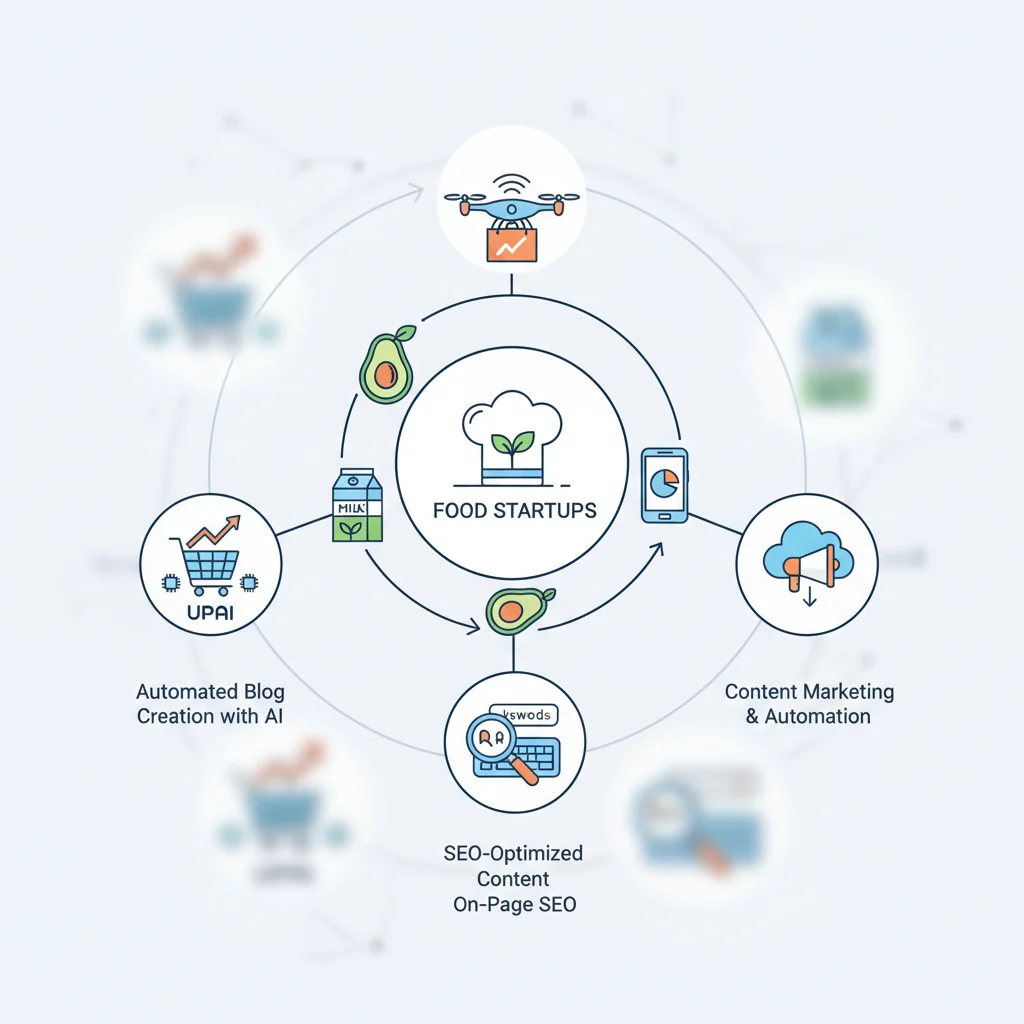
Navigating Funding and Investment for Food Startups
Securing adequate funding is a critical milestone for any food startup, providing the necessary capital to move from concept to market, scale operations, and achieve sustained growth. The choice of funding avenue often depends on the startup's stage, capital requirements, and long-term vision. Without appropriate financial backing, even the most innovative food concepts can falter, underscoring the importance of a well-articulated funding strategy.Bootstrapping and Early-Stage Funding
Bootstrapping involves self-funding a startup using personal savings, early sales revenue, or minimal external debt, allowing founders to maintain full control and validate their business model with lean resources. This approach is common for early-stage food startups seeking to prove their concept before seeking larger investments.-
Personal Savings and Friends & Family
Many entrepreneurs initiate their ventures using their own capital or by borrowing from close connections. This is often the quickest and least restrictive form of funding, though it can strain personal relationships if not managed carefully. -
Pre-Sales and Customer Validation
Generating revenue through pre-orders or initial sales can demonstrate market demand and provide capital for production. This strategy validates the product before significant investment. -
Small Business Loans and Grants
Government-backed small business loans or industry-specific grants can offer accessible funding options, often with favorable terms, especially for startups focused on innovation or social impact.
Angel Investors and Venture Capital
Angel investors and venture capital firms provide substantial capital in exchange for equity, offering not only financial resources but also valuable mentorship, industry connections, and strategic guidance crucial for scaling food startups. These investors typically target companies with high growth potential.-
Angel Investors
High-net-worth individuals who invest their own money into early-stage companies, often bringing industry experience and a network of contacts. They typically invest smaller amounts than VCs but can be invaluable for seed funding. -
Venture Capital (VC) Firms
Professional investment firms that manage funds from institutional investors and high-net-worth individuals, investing larger sums into startups with proven traction and significant growth prospects. VCs often participate in multiple funding rounds (Seed, Series A, B, etc.). -
Preparing a Compelling Pitch Deck
A concise and persuasive presentation outlining your business idea, market opportunity, team, product, traction, and financial projections is essential. This document must capture investor interest quickly. -
Valuation and Equity Negotiation
Understanding your startup's valuation and negotiating equity stakes are complex processes that often require legal and financial advice to ensure fair terms for both founders and investors.
Crowdfunding and Grants
Crowdfunding platforms allow food startups to raise capital by soliciting small amounts of money from a large number of individuals, often in exchange for rewards or equity, while grants offer non-dilutive funding for specific projects or research. These methods can also build community and validate market interest.-
Reward-Based Crowdfunding
Platforms like Kickstarter or Indiegogo allow startups to offer products or unique experiences in exchange for pledges, effectively pre-selling products and gauging market demand. -
Equity Crowdfunding
Platforms like SeedInvest or Republic enable startups to sell small equity stakes to a large number of unaccredited investors, democratizing access to startup investment. -
Government and Industry Grants
Various governmental agencies and private foundations offer grants for food-related innovations, sustainable practices, or community impact projects. These grants are non-dilutive, meaning they don't require giving up equity.
Building Your Brand and Marketing Your Food Product Effectively
Effectively building a brand and marketing a food product is paramount for food startups to differentiate themselves in a crowded market, attract target consumers, and cultivate lasting loyalty. This involves crafting a compelling narrative, developing a distinct visual identity, and deploying strategic communication across various channels. A strong brand resonates with consumers, building trust and recognition, which are critical for navigating the competitive food industry.Developing a Distinct Brand Identity and Story
Developing a distinct brand identity involves defining the core values, personality, and visual elements that represent your food startup, while a compelling brand story creates an emotional connection with consumers. Brand identity is the collection of all elements that a company creates to portray the right image to its consumer. It is more than just a logo; it encompasses everything from packaging to tone of voice.-
Defining Your Brand's Mission and Values
Clearly articulate what your startup stands for, its purpose beyond profit, and the principles that guide its operations. This foundation informs all branding and marketing decisions. -
Crafting a Unique Brand Story
Narrate the journey, inspiration, and passion behind your food product. A compelling story can humanize your brand, making it relatable and memorable to consumers. -
Visual Identity: Logo, Packaging, and Design
Invest in professional design for your logo, packaging, and overall visual assets. These elements are often the first point of contact with consumers and must convey quality, authenticity, and appeal. -
Tone of Voice and Messaging
Establish a consistent tone for all communications, whether it's friendly, authoritative, playful, or educational. This consistency reinforces your brand personality across all platforms.
Implementing Powerful Digital Marketing Strategies
Powerful digital marketing strategies are essential for food startups to reach a broad audience, engage with consumers directly, and drive sales through online channels. These strategies leverage the internet's reach to build brand awareness and foster community.-
Search Engine Optimization (SEO)
Optimize your website and content to rank higher in search engine results for relevant keywords (e.g., "plant-based meal delivery," "organic snack bars"). This increases organic visibility and drives targeted traffic. You can analyze your website's current performance with an SEO Checker and see how your pages appear in search results using our SERP Preview tool. -
Social Media Marketing
Utilize platforms like Instagram, TikTok, Facebook, and Pinterest to showcase your products visually, share behind-the-scenes content, engage with followers, and run targeted advertising campaigns. Visual content is particularly effective for food products. -
Email Marketing
Build an email list and send regular newsletters with product updates, promotions, recipes, and exclusive content. Email marketing remains one of the most effective channels for direct consumer communication and fostering loyalty. -
Influencer Marketing
Collaborate with food bloggers, nutritionists, and social media personalities who align with your brand values to reach their engaged audiences and build credibility.
Leveraging Content Marketing for Food Startups
Content marketing is a strategic approach focused on creating and distributing valuable, relevant, and consistent content to attract and retain a clearly defined audience, ultimately driving profitable customer action. For food startups, this means sharing recipes, nutritional information, sourcing stories, and lifestyle content that resonates with their target market.-
Blogging and Recipe Development
Publish engaging blog posts about food trends, health benefits, sustainable practices, or behind-the-scenes glimpses into your startup. Develop and share unique recipes using your products to inspire usage and demonstrate versatility. Ensure your blog content is optimized for readability using a Readability tool and that your headlines are compelling with a Headline Analyzer. -
Video Content
Create short-form videos for social media (e.g., cooking demos, product reviews, farm-to-table narratives) and longer-form content for YouTube. Video is highly engaging and effective for showcasing food products. -
User-Generated Content (UGC)
Encourage customers to share their experiences with your products through photos, videos, and reviews. UGC builds social proof and authentic engagement. -
Podcast and Webinar Series
Launch a podcast discussing food innovations, entrepreneurship, or health topics, or host webinars to educate and engage your audience on specific themes related to your products.
Educational Content
Provide valuable information about ingredients, nutritional science, food safety, or sustainable farming practices. Position your brand as an authority and trusted resource in its niche. Checking your Keyword Density is important to ensure your content is optimized for search engines while maintaining natural language.
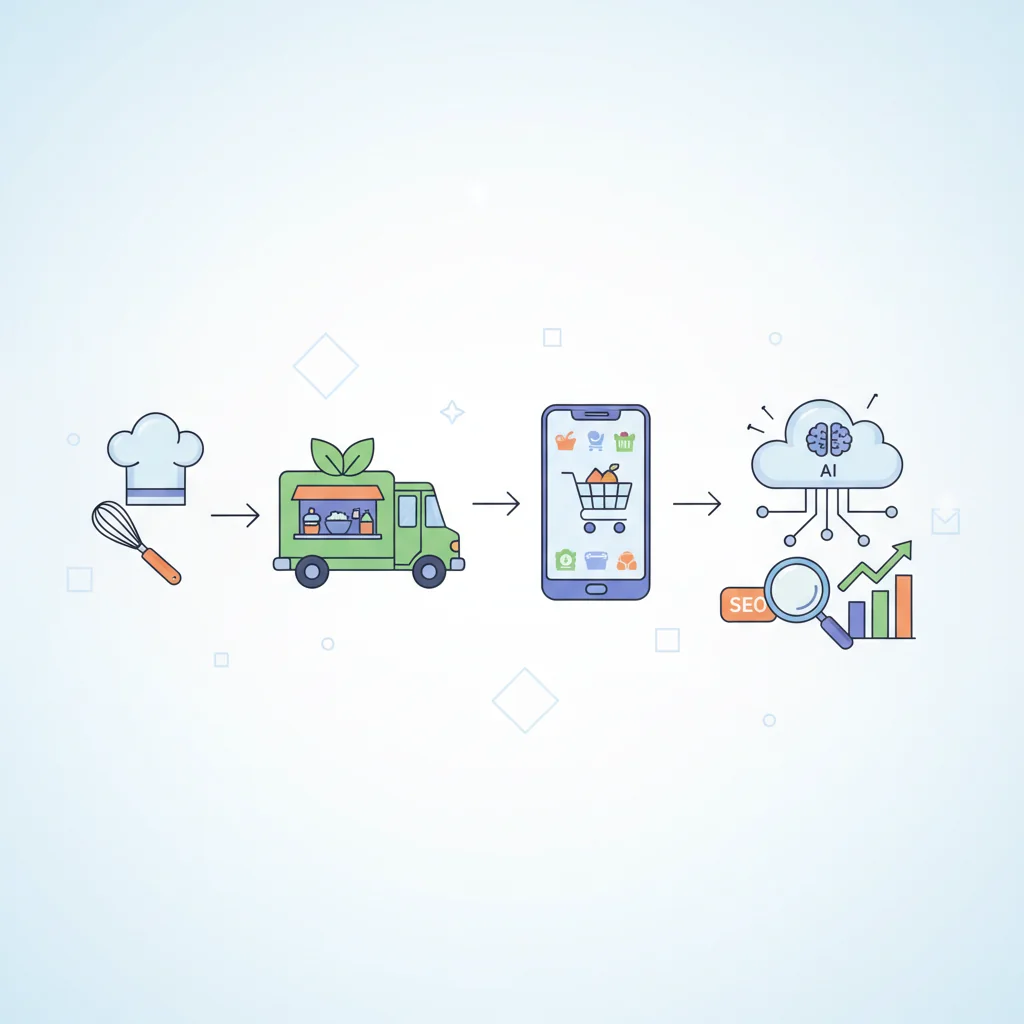
Overcoming Operational Hurdles: Production, Supply Chain, and Distribution
Overcoming operational hurdles in production, supply chain management, and distribution is critical for food startups to deliver high-quality products consistently, efficiently, and profitably to their customers. These interconnected processes form the backbone of a food business, and any inefficiencies or breakdowns can severely impact product quality, cost, and customer satisfaction. Effective management of these areas ensures that a startup can scale without compromising its core offering.Strategic Sourcing and Production Management
Strategic sourcing involves carefully selecting suppliers for raw materials based on quality, cost, sustainability, and reliability, while efficient production management ensures consistent output and adherence to food safety standards. These elements are foundational to product integrity and cost control.-
Ingredient Sourcing and Supplier Relationships
Establish strong relationships with reliable suppliers who can consistently provide high-quality ingredients at competitive prices. Consider local sourcing for freshness and sustainability, or specialized suppliers for unique ingredients. -
Manufacturing and Co-packing Options
Decide whether to establish your own manufacturing facility or utilize co-packers (contract manufacturers). Co-packers can offer scalability and expertise without significant upfront capital investment, but require careful selection and oversight. -
Quality Control and Food Safety Protocols
Implement rigorous quality control measures at every stage of production, from raw material inspection to finished product testing. Adhere strictly to HACCP (Hazard Analysis and Critical Control Points) principles and other relevant food safety regulations. -
Inventory Management
Efficiently manage raw material and finished product inventory to minimize waste, reduce holding costs, and ensure products are fresh when they reach consumers. Implement systems for tracking expiration dates and batch numbers.
Optimizing Supply Chain Efficiency
Optimizing supply chain efficiency means streamlining the flow of goods from raw materials to the end consumer, reducing costs, minimizing lead times, and enhancing responsiveness to market changes. A well-optimized supply chain is a competitive advantage for food startups.-
Logistics and Transportation
Plan efficient transportation routes and methods to move ingredients to production facilities and finished products to distribution points. Consider factors like temperature control for perishable goods and cost-effective shipping solutions. -
Warehouse and Storage Solutions
Secure appropriate warehousing that meets food safety standards (e.g., temperature-controlled storage). Optimize warehouse layout and processes for efficient inventory retrieval and dispatch. -
Technology for Supply Chain Visibility
Utilize supply chain management software or blockchain technology to gain end-to-end visibility, track products, manage orders, and identify potential bottlenecks or risks. -
Risk Management and Contingency Planning
Develop plans to mitigate risks such as supplier disruptions, transportation delays, or unexpected demand fluctuations. Diversifying suppliers and having backup logistics partners are key strategies.
Choosing Effective Distribution Channels
Choosing effective distribution channels involves selecting the most suitable pathways to get your food products from production to the hands of your target consumers, optimizing reach and profitability. The right channels depend on your product, target market, and business model.-
Direct-to-Consumer (D2C) Sales
Selling directly through your own e-commerce website allows for higher profit margins, direct customer relationships, and valuable data collection. This requires robust online store management and fulfillment capabilities. -
Retail Partnerships
Securing shelf space in grocery stores, specialty food shops, or convenience stores can significantly expand your reach. This often involves working with distributors and meeting retailer-specific requirements. -
Foodservice and Wholesale
Supplying restaurants, cafes, catering companies, or other businesses offers large volume opportunities. This segment often requires different packaging and pricing strategies compared to retail. -
Marketplaces and Online Retailers
Leveraging established online marketplaces (e.g., Amazon, specialty food platforms) can provide access to a vast customer base without building your own extensive e-commerce infrastructure.
Leveraging Technology and Innovation in the Food Industry
Leveraging technology and innovation is no longer optional but a fundamental requirement for food startups to gain a competitive edge, optimize operations, enhance product development, and meet evolving consumer expectations. The integration of advanced tools and methodologies across the entire food value chain enables startups to achieve efficiencies, scale rapidly, and deliver novel solutions. This strategic embrace of technology can transform raw ideas into market-ready products and sustainable business models.Embracing Emerging Food Tech Trends
Food Tech encompasses the application of technology across the entire food ecosystem, from agriculture and processing to distribution and consumption, driving innovation in sustainability, health, and efficiency. Startups that actively engage with these trends position themselves at the forefront of industry transformation.-
AI and Machine Learning for Personalization
Artificial intelligence can analyze consumer data to offer personalized nutrition recommendations, tailor ingredient formulations, or predict market trends, enabling highly customized product development and marketing. -
Sustainable Packaging Solutions
Innovations in packaging technology, such as biodegradable materials, edible packaging, or smart packaging that monitors freshness, address environmental concerns and appeal to eco-conscious consumers. -
Alternative Proteins and Cellular Agriculture
Developments in plant-based proteins, insect-based ingredients, and cell-cultured meat offer sustainable and ethical alternatives to traditional animal products, attracting significant investment and consumer interest. -
Precision Agriculture and Vertical Farming
Technologies that optimize crop yields, reduce resource consumption, and enable urban farming (e.g., IoT sensors, hydroponics, aeroponics) provide fresh, locally sourced ingredients with reduced environmental impact.
Utilizing E-commerce Platforms and Data Analytics
E-commerce platforms provide food startups with direct access to consumers, enabling efficient sales and distribution, while data analytics offers invaluable insights into customer behavior, operational performance, and market dynamics. Together, these tools empower informed decision-making and rapid adaptation.-
Building a Robust E-commerce Presence
Develop an intuitive and secure online store that showcases your products, handles orders, and processes payments seamlessly. Features like subscription models or personalized bundles can enhance customer loyalty. -
Supply Chain Digitization
Implement digital tools for inventory management, order fulfillment, and logistics tracking. This improves transparency, reduces errors, and enhances overall supply chain efficiency. -
Leveraging Data Analytics for Insights
Collect and analyze data on sales, customer demographics, website traffic, and marketing campaign performance. Use these insights to refine product offerings, optimize pricing, and personalize marketing efforts. -
Automating Marketing and Customer Service
Employ AI-powered chatbots for customer support, automate email marketing campaigns, and use CRM (Customer Relationship Management) systems to manage customer interactions efficiently.
Common Mistakes Food Startups Make and How to Avoid Them
Food startups, despite their innovative spirit and passion, frequently encounter a range of common pitfalls that can impede growth or lead to outright failure, making it crucial to understand and proactively mitigate these risks. Recognizing these recurring mistakes allows entrepreneurs to build more resilient business models and navigate the complex food industry with greater foresight. Avoiding these missteps can significantly increase the likelihood of long-term success.Underestimating Costs and Cash Flow Challenges
Many food startups underestimate the true costs associated with product development, production, marketing, and regulatory compliance, leading to severe cash flow problems and premature depletion of funds. This financial oversight is a leading cause of startup failure.-
Inadequate Budgeting
Failing to account for all potential expenses, including unexpected costs, permits, certifications, and marketing spend, can quickly deplete initial capital. Create a detailed budget and add a contingency fund (e.g., 20-30% of total costs). -
Poor Cash Flow Management
Even profitable businesses can fail due to poor cash flow. Monitor incoming and outgoing funds rigorously, manage payment terms with suppliers and customers carefully, and project cash flow regularly. An Earn Calculator can help estimate potential revenue, but thorough financial planning remains essential. -
Underpricing Products
Setting prices too low to compete can erode margins and make the business unsustainable. Ensure pricing covers all costs (ingredients, labor, packaging, marketing, overhead) and provides a healthy profit margin while remaining competitive.
Ignoring Market Feedback and Customer Needs
A critical mistake for food startups is developing products in isolation without continuous market validation and ignoring direct feedback from potential customers, resulting in offerings that fail to resonate with the target audience. This detachment from the market can lead to a lack of demand.-
Lack of Consumer Testing
Skipping or conducting insufficient consumer testing means launching a product without knowing if it truly meets customer preferences for taste, texture, or convenience. -
Failing to Iterate
The product development process should be iterative. Not adapting the product based on early feedback or changing market trends can lead to stagnation and irrelevance. -
Misunderstanding the Target Market
Assuming you know what your customers want without data-driven insights can lead to products that miss the mark. Invest in market research to deeply understand your audience's needs and pain points.
Weak Branding and Ineffective Marketing
Many food startups struggle to differentiate themselves and capture consumer attention due to weak branding and ineffective marketing strategies, leading to low brand recognition and limited sales. A compelling brand story and strategic outreach are non-negotiable.-
Generic Branding
A lack of a unique brand identity, including a memorable logo, compelling story, and consistent messaging, makes it difficult for consumers to distinguish your product from competitors. -
Underinvesting in Marketing
Expecting products to sell themselves without dedicated marketing efforts is unrealistic. Allocate sufficient resources to digital marketing, social media, and public relations to build awareness and drive demand. -
Ignoring SEO and Content Strategy
Neglecting search engine optimization and a robust content strategy means missing out on organic traffic and the opportunity to educate and engage potential customers. Utilize tools like SEO Checker and Keyword Density for optimization.
Inconsistent Messaging
Failing to maintain a consistent brand voice and message across all marketing channels confuses consumers and dilutes brand recognition. Tools like a Headline Analyzer can help ensure your messaging is clear and impactful.
Scaling Too Fast or Too Slowly
Both scaling too rapidly without adequate infrastructure and capital, or conversely, scaling too slowly and missing market opportunities, represent significant challenges for food startups. Finding the right pace for growth is crucial for sustainable expansion.-
Rapid Expansion Without Infrastructure
Attempting to scale production, distribution, or team size too quickly without the necessary operational systems, capital, or experienced personnel can lead to quality control issues, logistical nightmares, and financial strain. -
Hesitation to Scale
Conversely, being too cautious to scale when market demand is high can lead to missed opportunities, allowing competitors to capture market share. -
Lack of Operational Planning for Growth
Failing to plan for increased demand in terms of sourcing, manufacturing capacity, and distribution logistics can create bottlenecks and dissatisfy customers.
Neglecting Regulatory Compliance and Food Safety
Overlooking or inadequately addressing the complex regulatory landscape and stringent food safety requirements can lead to severe legal penalties, product recalls, reputational damage, and ultimately, business closure. Compliance is non-negotiable in the food industry.-
Ignoring Permits and Licenses
Operating without the necessary food manufacturing permits, health licenses, and business registrations can result in immediate shutdown and fines. -
Inadequate Food Safety Protocols
Failure to implement and maintain strict HACCP plans, proper labeling, allergen declarations, and hygiene standards can lead to foodborne illnesses, recalls, and consumer distrust. -
Non-Compliance with Labeling Laws
Incorrect nutritional information, misleading claims, or missing allergen warnings on packaging can lead to legal action and significant brand damage. Consider tools for generating structured data like FAQ Schema to enhance your product information online.
A comparison of traditional food businesses and modern food startups highlights key differences in their operational approaches and market dynamics:
| Characteristic | Traditional Food Business | Food Startup |
|---|---|---|
| **Primary Focus** | Established products, consistent quality, broad market appeal. | Innovation, niche markets, disruptive solutions, rapid growth. |
| **Product Development** | Incremental improvements, proven recipes, long cycles. | Novel ingredients, tech-driven, agile, rapid prototyping. |
| **Funding Model** | Self-funded, bank loans, retained earnings. | Angel investors, venture capital, crowdfunding, grants. |
| **Market Entry** | Leveraging existing distribution networks, retail dominance. | Direct-to-consumer (D2C), e-commerce, specialty channels. |
| **Risk Tolerance** | Lower risk, focus on stability and market share. | Higher risk, focus on innovation and market disruption. |
| **Technology Integration** | Often slower adoption, traditional methods. | Core to strategy, leveraging AI, blockchain, automation. |
| **Sustainability Approach** | Often reactive, compliance-driven. | Proactive, integrated into core mission and product. |
Conclusion: The Future is Flavorful for Food Startups
The journey of a food startup is a complex yet incredibly rewarding endeavor, characterized by the opportunity to innovate, solve pressing societal challenges, and bring truly unique products to market. Success in this dynamic sector hinges on a blend of culinary creativity, astute business acumen, strategic marketing, and an unwavering commitment to operational excellence. By meticulously planning, understanding the market, securing appropriate funding, building a strong brand, navigating operational complexities, and embracing technological advancements, food entrepreneurs can overcome common hurdles and establish resilient, impactful businesses. The future of food is undeniably shaped by these agile and inventive startups, promising a landscape filled with more sustainable, healthier, and diverse culinary experiences. To ensure your food startup's content and marketing efforts are as effective and optimized as your products, remember the power of automation. Automate your blog with AI to generate high-quality, SEO-optimized content that tells your brand story, educates your audience, and drives engagement.Embracing Sustainability and Ethical Practices: A Core Differentiator
In an era of increasing environmental consciousness and social responsibility, food startups have a unique opportunity – and indeed, a growing imperative – to embed sustainability and ethical practices into their core operations. This isn't just about compliance or good PR; it's a powerful differentiator that resonates deeply with modern consumers, investors, and talent. A truly sustainable food startup contributes positively to the planet, supports equitable communities, and ensures long-term viability.
The Imperative of Sustainable Food Systems
The global food system faces immense challenges, from climate change and resource depletion to food waste and social inequality. Food startups, with their agility and innovative spirit, are perfectly positioned to address these issues head-on. By prioritizing sustainability, these businesses can:
- Attract and Retain Customers: Consumers, particularly younger generations, are increasingly willing to pay more for products from brands that align with their values. Transparency about sustainable practices builds trust and loyalty.
- Unlock Investment Opportunities: Impact investors and venture capitalists are actively seeking out companies with strong ESG (Environmental, Social, and Governance) credentials, recognizing that these businesses are more resilient and have greater long-term growth potential.
- Enhance Brand Reputation: A commitment to ethical sourcing, minimal environmental footprint, and fair labor practices can elevate a brand's standing, setting it apart in a crowded market.
- Mitigate Risks: Proactive sustainability efforts can reduce exposure to supply chain disruptions, regulatory changes, and reputational damage.
- Drive Innovation: The pursuit of sustainable solutions often sparks creative problem-solving, leading to novel products, processes, and business models.
Key Areas for Sustainable Action in Food Startups
Sustainability encompasses a broad spectrum of considerations. Food startups should evaluate their entire value chain to identify areas for improvement and innovation.
- Sustainable Sourcing:
- Local and Seasonal: Prioritizing ingredients from local farmers reduces food miles, supports regional economies, and ensures freshness.
- Ethical Supply Chains: Ensuring fair wages, safe working conditions, and transparent practices for all suppliers, from farm to processor.
- Minimizing Environmental Impact: Sourcing ingredients that are grown or produced with minimal water usage, pesticide application, and land degradation (e.g., regenerative agriculture, certified sustainable seafood).
- Eco-Friendly Packaging:
- Reducing Plastic: Exploring alternatives like compostable, biodegradable, or reusable packaging materials.
- Recyclable Materials: Opting for packaging that can be easily recycled by consumers.
- Minimalist Design: Reducing excess packaging to lessen material usage and waste.
- Waste Reduction:
- Upcycling Ingredients: Utilizing byproducts or 'ugly' produce that would otherwise go to waste to create new products.
- Efficient Production: Optimizing manufacturing processes to minimize food and material waste.
- Consumer Education: Providing tips on how consumers can reduce food waste at home.
- Energy and Water Efficiency:
- Renewable Energy: Investing in solar panels or purchasing renewable energy credits for production facilities.
- Water Conservation: Implementing water-saving technologies and practices in processing and cleaning.
- Social Impact:
- Fair Labor Practices: Ensuring equitable wages, benefits, and working conditions for all employees.
- Community Engagement: Supporting local initiatives, hiring from diverse backgrounds, and contributing to food security efforts.
Communicating Your Commitment: Certifications and Transparency
While genuine action is paramount, effectively communicating your sustainability efforts is crucial for building trust and attracting your target audience. Third-party certifications can lend credibility, but authentic storytelling and transparency are equally important.
Comparison of Popular Sustainability Certifications and Approaches
Understanding the landscape of sustainability certifications can help food startups choose the most relevant and impactful paths for their specific products and values.
| Certification/Approach | Primary Focus | Benefits for Food Startups | Considerations & Challenges |
|---|---|---|---|
| Organic (e.g., USDA Organic, EU Organic) | Agricultural practices; no synthetic pesticides, fertilizers, GMOs. | High consumer recognition, premium market access, perceived health benefits. | Strict regulations, high certification costs, potential for limited ingredient availability. |
| Fair Trade (e.g., Fairtrade International) | Social equity, fair prices for producers, worker rights, community development. | Strong ethical branding, consumer loyalty, positive global impact story. | Focus on specific commodities (coffee, chocolate, etc.), certification costs, complex supply chain auditing. |
| B Corp Certification | Holistic social and environmental performance, accountability, transparency. | Enhanced brand reputation, attracts purpose-driven talent and investors, robust framework for improvement. | Rigorous assessment process, ongoing recertification, requires commitment across the entire business. |
| Regenerative Agriculture Practices | Soil health, biodiversity, carbon sequestration, water cycle improvement. | Differentiated product story, environmental leadership, potential for carbon credits. | No single universal certification yet, requires deep agricultural knowledge, potential for higher initial ingredient costs. |
| Carbon Neutral/Plastic Neutral Certifications | Measuring and offsetting carbon emissions or plastic footprint. | Demonstrates commitment to climate action, resonates with environmentally conscious consumers. | Relies on offsets (which can be controversial), requires diligent measurement and reporting. |
| Local/Direct Sourcing | Reduced food miles, support for local economies, freshness. | Strong community connection, fresh ingredients, unique storytelling. | Scalability challenges, seasonality constraints, may not have formal certification. |
Beyond certifications, startups should embrace transparent communication about their journey, including both successes and challenges. Storytelling through packaging, websites, social media, and direct consumer engagement can build a powerful narrative around their commitment to a better food future.
Navigating the Regulatory Maze: Ensuring Compliance and Safety
The food industry is one of the most heavily regulated sectors globally, and for good reason. Public health and safety are paramount. For food startups, understanding and adhering to a complex web of regulations is not merely a legal obligation but a fundamental pillar of building trust, ensuring product quality, and avoiding costly liabilities. Ignoring these requirements can lead to severe penalties, product recalls, and irreparable damage to a brand's reputation.
Core Food Safety and Health Standards
Food safety regulations vary significantly by country, region, and even specific product type. However, some core principles and governing bodies are universal or widely influential.
- Understanding Key Regulatory Bodies:
- United States: The Food and Drug Administration (FDA) governs most food products, while the U.S. Department of Agriculture (USDA) oversees meat, poultry, and certain egg products. State and local health departments also impose crucial rules for manufacturing, handling, and sales.
- European Union: The European Food Safety Authority (EFSA) provides scientific advice, while the European Commission sets overarching regulations (e.g., General Food Law, hygiene packages) implemented by member states.
- Other Regions: Similar national agencies exist globally (e.g., Health Canada, Food Standards Australia New Zealand - FSANZ, COFEPRIS in Mexico). Startups must identify and comply with the specific authorities relevant to their target markets.
- Hazard Analysis and Critical Control Points (HACCP): This is a systematic preventive approach to food safety from biological, chemical, and physical hazards in production processes. Many regulations mandate HACCP plans for food manufacturers.
- Good Manufacturing Practices (GMPs): These are a set of general guidelines for ensuring product quality and safety, covering everything from facility design and equipment maintenance to personnel hygiene and pest control.
- Allergen Control: Strict regulations exist globally regarding the identification and labeling of common food allergens (e.g., peanuts, tree nuts, milk, eggs, soy, wheat, fish, shellfish). Cross-contamination prevention is critical.
- Traceability and Recall Procedures: Startups must have systems in place to trace ingredients from source to finished product and to efficiently recall products from the market if a safety issue arises.
Product Labeling and Claims Accuracy
Every food product sold must bear a label that provides accurate and legally compliant information. This is not just about ingredients but also nutritional facts, health claims, and marketing language.
- Mandatory Labeling Elements:
- Product name and statement of identity.
- Net quantity of contents.
- Ingredient list (in descending order of predominance by weight).
- Allergen declarations.
- Name and place of business of the manufacturer, packer, or distributor.
- Nutrition facts panel (including calories, fat, sodium, sugars, etc.).
- Country of origin (for certain products).
- Health and Nutrient Claims: Any claims made about the health benefits or nutritional content of a product (e.g., "high in fiber," "low fat," "boosts immunity") are highly regulated and must be substantiated by scientific evidence. Unsubstantiated claims can lead to severe penalties.
- Organic and Other Certifications: If a product carries an organic label or other third-party certifications (e.g., Non-GMO Project Verified, Gluten-Free), the startup must adhere to the specific standards of that certification body and maintain proper documentation.
- Marketing Language: Beyond explicit claims, all marketing materials, including websites and social media, must avoid misleading consumers about the nature, quality, or benefits of the food product.
Protecting Your Innovations: Intellectual Property in Food
While often associated with tech, intellectual property (IP) is crucial for food startups, protecting unique recipes, branding, and processes.
- Trade Secrets: This is perhaps the most common form of IP in food. A trade secret is confidential information that gives a business a competitive edge (e.g., a secret spice blend, a proprietary processing method). Protection relies on maintaining strict secrecy through NDAs, limited access, and robust internal controls.
- Trademarks: These protect your brand name, logo, slogans, and any other distinctive marks that identify your products or services. A strong trademark prevents competitors from using similar branding that could confuse consumers.
- Patents: While less common for simple recipes, patents can protect novel and non-obvious food processing techniques, unique food compositions, or specialized equipment. Utility patents protect functionality, design patents protect aesthetic appearance.
- Copyrights: These protect original works of authorship, such as unique packaging designs, marketing copy, or original recipes published in a cookbook (though the ingredient list itself is not copyrightable).
Engaging with legal counsel specializing in food law and intellectual property early in the startup journey is highly recommended. Proactive compliance and IP strategy can save significant resources and safeguard the future of the business.
Building a Resilient Team: The Human Ingredient for Success
While innovative products, strategic funding, and clever marketing are vital, no food startup can achieve sustained success without a dedicated, skilled, and passionate team. The people behind the product are the ultimate drivers of execution, problem-solving, and culture. Building a resilient team means not only attracting top talent but also fostering an environment where they can thrive, innovate, and grow alongside the company.
Identifying Essential Roles and Skill Gaps
In the early stages, founders often wear many hats. However, as the startup grows, clearly defining roles and recognizing skill gaps becomes critical to scaling efficiently.
- Founding Team Core: Typically includes individuals with expertise in:
- Culinary/Product Development: The visionary behind the food product itself, responsible for R&D, quality, and scaling recipes.
- Business Strategy/Operations: Oversees the overall business model, financial planning, and day-to-day execution.
- Marketing/Sales: Drives brand awareness, customer acquisition, and market penetration.
- Early Hires & Key Roles: As funding allows and needs emerge, consider roles such as:
- Food Scientist/Production Manager: Critical for ensuring food safety, quality control, and efficient manufacturing as you scale.
- Supply Chain Manager: Manages ingredient sourcing, logistics, and supplier relationships.
- Sales & Account Manager: Builds relationships with retailers and distributors.
- Digital Marketing Specialist: Manages online presence, e-commerce, and social media.
- Finance/Bookkeeping: Essential for managing cash flow, compliance, and investor reporting.
- Assessing Skill Gaps: Regularly evaluate what expertise your current team lacks. This could be in specific technical areas (e.g., food safety certifications, e-commerce platform management) or soft skills (e.g., leadership, conflict resolution). Don't be afraid to bring in external consultants or advisors for specialized knowledge temporarily.
Cultivating a Strong Company Culture
Culture isn't just about perks; it's the shared values, beliefs, and practices that define how your team interacts and works towards common goals. A positive culture is a powerful tool for retention and productivity.
- Define Core Values: Articulate what your company stands for beyond its product. Are you innovative, collaborative, customer-centric, sustainable? Let these values guide hiring, decision-making, and employee recognition.
- Foster Open Communication: Create channels for honest feedback, both upwards and downwards. Regular team meetings, one-on-ones, and anonymous suggestion boxes can help ensure everyone feels heard.
- Empower and Trust: Give team members autonomy and ownership over their work. Trust them to make decisions and learn from mistakes.
- Promote Collaboration: Break down silos between departments. Encourage cross-functional projects and shared goals.
- Recognize and Reward: Acknowledge hard work and celebrate successes, big or small. This could be through verbal praise, bonuses, promotions, or team outings.
- Embrace Diversity and Inclusion: A diverse team brings varied perspectives, experiences, and problem-solving approaches, leading to more robust and innovative solutions. Ensure your workplace is inclusive and equitable for all.
Strategies for Talent Acquisition and Retention
In a competitive job market, attracting and keeping top talent requires a proactive approach.
- Craft Compelling Job Descriptions: Go beyond a list of duties. Highlight your company culture, mission, and the impact the role will have.
- Leverage Your Network: Personal referrals often lead to the best hires. Tap into industry contacts, advisors, and even existing employees for recommendations.
- Showcase Your Mission: Many talented individuals are drawn to food startups because of their passion for food, sustainability, or health. Articulate your mission clearly to attract mission-aligned candidates.
- Offer Competitive Compensation and Benefits: This includes not just salary, but also health insurance, paid time off, and potentially equity options, especially for key early hires.
- Invest in Professional Development: Provide opportunities for learning and growth, whether through training programs, conferences, or mentorship. This shows employees you're invested in their long-term career.
- Prioritize Work-Life Balance: While startups demand dedication, burnout is a real threat. Encourage healthy boundaries, offer flexible work arrangements where possible, and support employee well-being.
- Conduct Stay Interviews: Instead of exit interviews, conduct "stay interviews" to understand what keeps your valuable employees engaged and what improvements could be made to their experience.
A strong, cohesive team is the bedrock upon which a successful food startup is built. By strategically hiring, nurturing a positive culture, and investing in your people, you create a powerful engine for innovation and growth, ensuring the long-term resilience and success of your culinary venture.
Frequently Asked Questions
What are the biggest challenges facing food startups today?
What are some popular niches within the food startup industry?
How can a food startup differentiate itself in a crowded market?
What kind of funding is typically available for food startups?
What role does technology play in modern food startups?
How important is sustainability for a food startup's success?
Related Articles

Best Business Structure for Small Tech Startups: LLC vs. C-Corp
Discover the best business structure for your small tech startup. Learn about LLCs, C-Corps, and S-Corps to protect your assets and optimize taxes. Find out which is right for you.

Best Payroll Provider for Startups: Gusto & More
Discover the best payroll provider for your startup. Explore top options like Gusto, focusing on features, ease of use, and compliance for growing businesses.

Travel Startups: Innovating the Future of Global Tourism
Explore the exciting world of travel startups disrupting the $1.5 trillion global industry with innovative tech and new market segments. Discover their impact today!
More free AI tools from the same team
Grow your LinkedIn presence on autopilot. Try LinkedIn automation and AI content for free.
Read the Linkesy blogAsk AI about UPAI
Click your favorite assistant to learn more about us