
Top Digital Marketing Agencies for Startups in 2026

Digital marketing agencies are indispensable partners for startups in 2026, providing specialized expertise and strategic execution that accelerates growth, establishes market presence, and drives customer acquisition in a highly competitive digital landscape.
Key takeaways
- Digital marketing agencies offer startups immediate access to specialized skills, advanced tools, and proven strategies, which are critical for rapid market entry and scalable growth.
- Choosing the right agency involves a rigorous evaluation of their industry experience, alignment with your startup's specific goals, transparent communication practices, and measurable reporting capabilities.
- Agencies provide a cost-effective alternative to building an extensive in-house team, offering flexibility and scalability to adapt to a startup's evolving marketing needs without high overheads.
- Effective partnership with an agency requires clear goal setting, consistent communication, and a shared understanding of performance metrics to ensure campaigns deliver tangible ROI.
- Startups must define their budget, target audience, and key performance indicators before engaging an agency to ensure a focused and successful collaboration.
- Leveraging AI-powered tools for content creation and SEO, like those offered by UPAI, can significantly amplify the efficiency and impact of agency-led marketing efforts.
Why Digital Marketing is Non-Negotiable for Startups in 2026
Digital marketing is essential for startups to gain visibility, acquire customers, and establish a robust market presence in a crowded and constantly evolving digital landscape. In 2026, with consumer behavior overwhelmingly online and competition intensifying, a well-executed digital strategy is not merely an option but a foundational requirement for survival and scalable growth.
The digital realm offers unparalleled opportunities for startups to reach their target audience with precision and efficiency that traditional marketing channels cannot match. From social media engagement to targeted advertising and search engine visibility, every digital touchpoint serves as a potential gateway for customer acquisition and brand building.
Market Penetration and Audience Reach
Startups operate with limited resources and often face established incumbents. Digital marketing allows them to bypass traditional barriers to entry and reach a global audience instantly. Platforms like Google, Meta, and TikTok provide sophisticated targeting capabilities, enabling startups to connect directly with their ideal customer segments regardless of geographical location.
This direct access facilitates rapid market penetration. By strategically deploying digital campaigns, startups can introduce their products or services to millions of potential customers, generating awareness and driving initial adoption far quicker than conventional methods.
Competitive Advantage in a Crowded Market
In today's hyper-competitive environment, a strong digital presence differentiates a startup from its rivals. An effective digital marketing strategy enables startups to articulate their unique value proposition, build a distinctive brand identity, and foster a loyal customer base.
Continuous optimization based on data analytics ensures that marketing efforts remain agile and responsive to market changes, giving startups a critical edge. Competitors who neglect their digital footprint will inevitably fall behind.
Cost-Effectiveness and Measurable ROI
Digital marketing offers a significantly more cost-effective approach to advertising compared to traditional channels like TV, radio, or print, especially for budget-constrained startups. Pay-per-click (PPC) campaigns, for instance, allow startups to pay only when a potential customer clicks on their ad, maximizing budget efficiency.
Crucially, nearly all digital marketing activities are measurable. Startups can track impressions, clicks, conversions, customer acquisition cost (CAC), and return on ad spend (ROAS) in real-time. This data-driven approach enables precise optimization, ensuring every dollar spent contributes directly to business objectives.
Building Brand Authority and Trust
Beyond sales, digital marketing is instrumental in building brand authority and trust. High-quality content, engaging social media interactions, and positive online reviews contribute to a startup's credibility. Readability of content plays a crucial role in ensuring messages are clear and impactful, fostering trust with the audience.
By consistently delivering value and engaging with their community online, startups can cultivate a strong brand reputation that resonates with their target audience, transforming initial customers into brand advocates. This long-term brand building is vital for sustainable growth.
Adaptability and Future-Proofing
The digital landscape is constantly evolving, with new platforms, algorithms, and consumer trends emerging regularly. Digital marketing strategies are inherently adaptable, allowing startups to pivot quickly and capitalize on new opportunities. Agencies specializing in digital marketing stay abreast of these changes, providing startups with future-proof strategies.
This agility ensures that a startup's marketing efforts remain relevant and effective, protecting their investment and positioning them for continuous success in the dynamic digital future.
Digital Marketing is the umbrella term for all marketing efforts that use an electronic device or the internet. Businesses leverage digital channels such as search engines, social media, email, and other websites to connect with current and prospective customers.
The Core Services a Digital Marketing Agency Offers Startups
Digital marketing agencies provide a comprehensive suite of services tailored to help startups achieve specific growth objectives, ranging from brand awareness and lead generation to customer acquisition and retention. These services are strategically designed to address the unique challenges and opportunities that startups face in establishing their market presence.
By outsourcing these specialized functions, startups gain access to a team of experts proficient in various digital disciplines, enabling them to execute complex marketing campaigns efficiently and effectively without the overhead of an in-house department.
Search Engine Optimization (SEO)
SEO is fundamental for startups to achieve organic visibility on search engines like Google. Agencies implement strategies to improve a website's ranking for relevant keywords, driving qualified organic traffic. This includes:
- Technical SEO: Optimizing website infrastructure for crawling and indexing, ensuring site speed, mobile-friendliness, and secure connections.
- On-Page SEO: Optimizing individual web pages with target keywords, compelling meta descriptions, and structured data. Tools like UPAI's SEO Checker can analyze a page's SEO score instantly, while a SERP Preview helps visualize how these changes appear in search results.
- Off-Page SEO: Building high-quality backlinks from authoritative sites to enhance domain authority and credibility.
- Local SEO: Optimizing for local search queries, crucial for startups with physical locations or geographically targeted services.
SEO (Search Engine Optimization) is the process of improving the visibility and ranking of a website or a web page in search engine results pages (SERPs) to increase organic, non-paid traffic.
Content Marketing
Content marketing involves creating and distributing valuable, relevant, and consistent content to attract and retain a clearly defined audience, ultimately driving profitable customer action. For startups, this means:
- Blog Post Creation: Developing informative and engaging articles that answer user queries and establish thought leadership. UPAI specializes in automated blog creation with AI, enabling startups to produce SEO-optimized content at scale.
- Video Production: Creating explainer videos, tutorials, and promotional content for platforms like YouTube and social media.
- Ebooks & Whitepapers: Generating long-form content to capture leads and demonstrate expertise.
- Infographics: Visualizing complex data into easily digestible formats for sharing across platforms.
- Content Strategy: Planning and executing a content calendar aligned with business goals and target audience interests, ensuring optimal keyword density and topical relevance.
Social Media Marketing (SMM)
Social media marketing leverages platforms like Facebook, Instagram, LinkedIn, X (Twitter), and TikTok to connect with target audiences, build brand awareness, and drive traffic or sales. Agency services include:
- Strategy Development: Defining target audience, platform selection, content themes, and engagement goals.
- Content Creation & Scheduling: Developing engaging posts, stories, and videos, and scheduling them for optimal reach.
- Community Management: Interacting with followers, responding to comments and messages, and fostering a brand community.
- Paid Social Advertising: Running targeted ad campaigns to reach specific demographics and interests, maximizing ROI.
- Influencer Marketing: Collaborating with relevant influencers to amplify brand messages and reach new audiences.
Paid Advertising (PPC & Display Ads)
Paid advertising campaigns provide immediate visibility and traffic, making them crucial for startups seeking rapid growth. Agencies manage:
- Google Ads (PPC): Creating and optimizing search, display, and video campaigns to appear at the top of search results and on relevant websites. This ensures startups capture demand actively expressed by users.
- Social Media Ads: Running highly targeted ad campaigns on platforms like Meta, LinkedIn, and TikTok to reach specific demographics and interests.
- Retargeting Campaigns: Displaying ads to users who have previously interacted with the startup's website or content, encouraging conversion.
- Landing Page Optimization: Designing and testing high-converting landing pages for ad campaigns to maximize conversion rates.
Email Marketing
Email marketing remains one of the most effective channels for lead nurturing, customer retention, and driving repeat business. Agencies help with:
- List Building Strategies: Implementing tactics to grow a qualified email subscriber list.
- Campaign Development: Designing and writing compelling email newsletters, promotional emails, and automated sequences.
- Segmentation & Personalization: Dividing subscribers into segments and tailoring content for increased relevance and engagement.
- A/B Testing & Optimization: Continuously testing subject lines, call-to-actions, and content to improve open rates and click-through rates.
Website Design & Development (with a Marketing Focus)
While not purely marketing, a strong website is the foundation of all digital efforts. Agencies often offer or partner for services that ensure the website is not just visually appealing but also optimized for marketing performance:
- User Experience (UX) Design: Ensuring the website is intuitive, easy to navigate, and provides a seamless experience for visitors.
- Conversion Rate Optimization (CRO): Designing pages to encourage specific actions, such as sign-ups, purchases, or contact form submissions.
- Mobile Responsiveness: Guaranteeing the website functions flawlessly across all devices, from desktops to smartphones.
- SEO-Friendly Architecture: Building the site with search engine best practices in mind from the outset.
Analytics, Reporting & Strategy
A critical service is the ongoing analysis of campaign performance and transparent reporting. Agencies provide:
- Data Tracking & Analysis: Setting up analytics tools (e.g., Google Analytics) to monitor website traffic, user behavior, and campaign effectiveness.
- Performance Reporting: Providing regular, detailed reports on key metrics, progress toward goals, and insights for future optimization.
- Strategic Consulting: Offering expert advice based on performance data and market trends to continually refine and evolve the startup's digital marketing strategy.
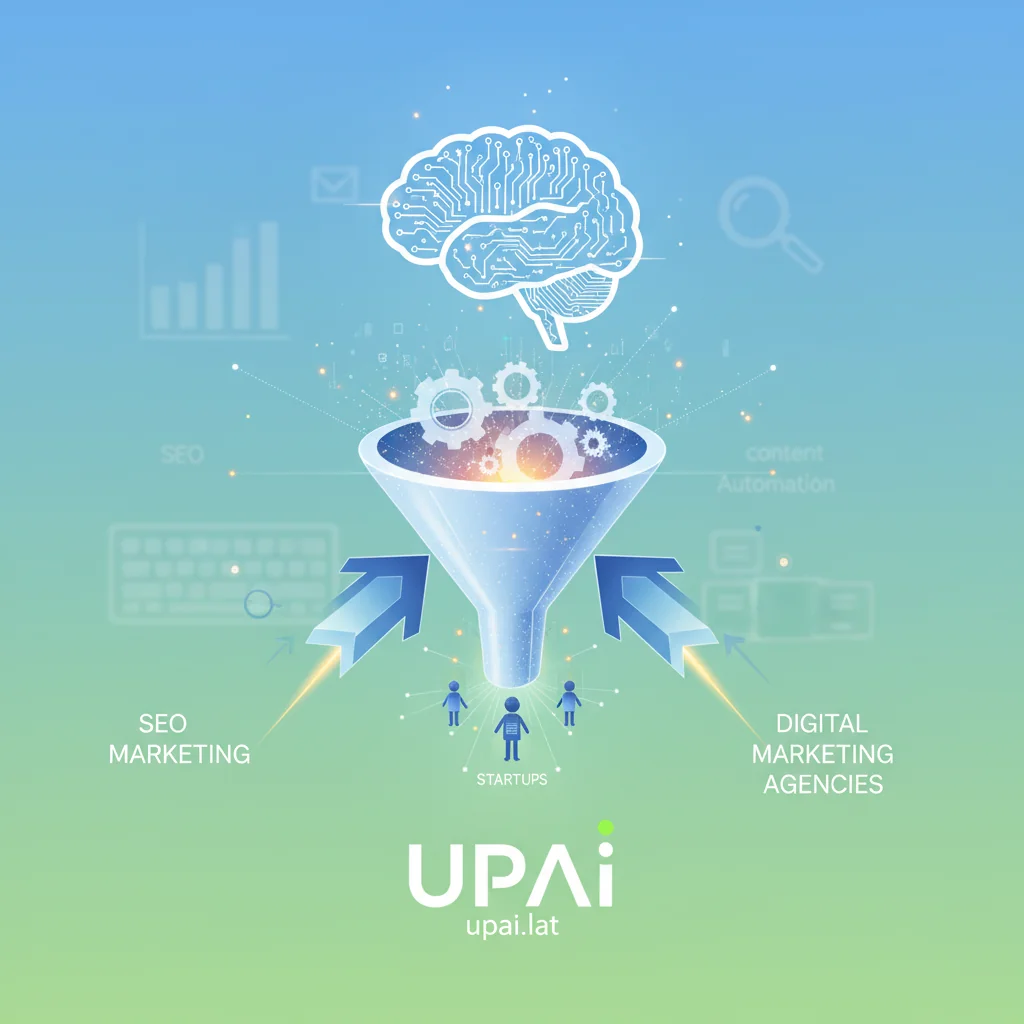
By leveraging these core services, startups can establish a robust digital presence, attract their target audience, convert leads into customers, and foster long-term brand loyalty, all while benefiting from the specialized knowledge and resources of an experienced agency.
Strategic Advantages: How Agencies Accelerate Startup Growth
Partnering with a digital marketing agency provides startups with immediate access to specialized expertise, advanced tools, and a proven strategic framework, significantly accelerating their path to market penetration and customer acquisition. These advantages are crucial for startups operating in fast-paced environments where time-to-market and efficient resource allocation are paramount.
Agencies bring a wealth of experience from working with diverse clients, allowing them to apply best practices and innovative solutions that might otherwise take a startup years to develop internally.
Access to Specialized Expertise and Diverse Skill Sets
A digital marketing agency comprises a team of specialists, each proficient in a different area of digital marketing—SEO, PPC, social media, content creation, analytics, and more. For a startup, hiring individual experts for each of these roles is often financially prohibitive and impractical.
By engaging an agency, startups gain instant access to this collective expertise. This means campaigns are executed by professionals who understand the nuances of each channel, avoiding common pitfalls and maximizing effectiveness from day one. This specialized knowledge translates directly into higher campaign performance and faster results.
Scalability and Flexibility
Startups experience rapid growth and often face fluctuating marketing needs. An agency offers unparalleled scalability and flexibility. As a startup's needs evolve—whether launching a new product, expanding into a new market, or scaling down during a lean period—the agency can adjust its resources and strategies accordingly.
This agility allows startups to scale their marketing efforts up or down without the complexities and costs associated with hiring, training, or laying off in-house staff. It provides a dynamic marketing solution that adapts precisely to the startup's lifecycle.
Cost-Effectiveness Compared to In-House Teams
While agency fees might seem substantial, they are often more cost-effective than building an equivalent in-house team. Consider the costs associated with salaries, benefits, recruitment, training, and subscriptions to various marketing tools for an internal team.
An agency bundles these costs into a single fee, providing access to a full suite of services and tools at a fraction of the cost. This allows startups to allocate their precious capital more efficiently towards product development or other critical business functions.
Access to Advanced Tools and Technologies
Effective digital marketing relies heavily on sophisticated tools for keyword research, competitive analysis, SEO auditing, content creation, analytics, and automation. Many of these tools come with significant subscription costs that are often out of reach for individual startups.
Agencies typically invest in and maintain subscriptions to a wide array of premium tools. By partnering with an agency, startups indirectly gain access to these advanced technologies, enabling more data-driven decisions, deeper insights, and more efficient campaign management without direct investment.
Focus on Core Business and Product Development
Founders and early employees of startups are often stretched thin, juggling multiple responsibilities. Delegating digital marketing to an agency frees up invaluable time and mental bandwidth.
This allows the startup's core team to concentrate on what they do best: developing their product, refining their business model, securing funding, and managing operations. This focused approach is critical for a startup's long-term success and innovation.
Objective Perspective and Market Insights
An external agency brings an objective, unbiased perspective to a startup's marketing strategy. They are not bogged down by internal politics or preconceived notions and can provide fresh insights based on their broader industry experience.
Agencies continuously monitor market trends, competitor activities, and algorithm changes, offering startups up-to-date intelligence that informs strategic adjustments. This external viewpoint ensures marketing efforts remain relevant and competitive.
Content Marketing is a strategic marketing approach focused on creating and distributing valuable, relevant, and consistent content to attract and retain a clearly defined audience, ultimately driving profitable customer action.
When to Hire: Agency vs. In-House vs. Freelancer for Startups
Deciding whether to hire a digital marketing agency, build an in-house team, or work with freelancers depends entirely on a startup's specific budget, current growth stage, internal capabilities, and long-term strategic goals. Each option presents distinct advantages and disadvantages that must be carefully weighed to ensure the most effective and sustainable marketing solution.
There is no one-size-fits-all answer; the optimal choice often evolves as the startup matures and its needs become more complex or specialized.
Understanding the Options
Before making a decision, it is crucial to understand the distinct characteristics of each approach:
- Digital Marketing Agency: A firm specializing in providing comprehensive marketing services across various channels. They typically have a team of experts, advanced tools, and a structured process.
- In-House Team: Hiring full-time employees to manage marketing efforts internally. This provides maximum control and deep integration with the core business.
- Freelancer: Engaging independent contractors for specific marketing tasks or projects. Freelancers offer flexibility and specialized skills for particular needs.
Comparison Table: Agency vs. In-House vs. Freelancer
| Feature | Digital Marketing Agency | In-House Team | Freelancer |
|---|---|---|---|
| Cost (Avg. Annual) | Moderate to High (Package-based, access to full team) | High (Salaries, benefits, tools, overhead) | Low to Moderate (Project or hourly-based) |
| Expertise Depth | Broad & Deep (Team of specialists across channels) | Potentially Deep (Specific hires), but limited initially | Deep (Highly specialized in one area) |
| Control & Integration | Moderate (Requires clear communication, external) | High (Direct oversight, integrated with company culture) | Low to Moderate (Task-specific, less integrated) |
| Scalability & Flexibility | High (Easily scale services up/down) | Low (Hiring/firing is slow and costly) | High (Hire as needed, project-based) |
| Access to Tools | High (Agencies bear costs of premium tools) | Moderate (Startup must purchase/subscribe) | Low (Freelancer may use their own, or require client access) |
| Time to Market/Results | Fast (Immediate execution, established processes) | Slow (Recruitment, onboarding, strategy development) | Moderate (Depends on project complexity and freelancer availability) |
| Strategic Oversight | Strong (Proactive strategy, market insights) | Strong (If experienced leader is hired) | Limited (Focus on execution, not broad strategy) |
When to Opt for a Digital Marketing Agency
Hiring an agency is ideal for startups that:
- Need rapid growth and immediate impact: Agencies can deploy campaigns quickly and leverage existing expertise to generate results faster.
- Lack internal marketing expertise: If founders and core team members are focused on product development and operations, an agency fills the knowledge gap.
- Require a broad range of marketing services: Agencies offer a holistic approach, covering SEO, content, social, paid ads, and more, providing a unified strategy.
- Have a moderate to significant marketing budget: While cost-effective compared to an in-house team, agencies require a consistent budget commitment.
- Value external perspective and industry best practices: Agencies bring insights from diverse client experiences, offering objective strategic guidance.
For example, a startup looking to rapidly build organic search visibility and create a high volume of SEO-optimized content could greatly benefit from an agency that leverages tools like UPAI's SEO Checker and automated content generation to scale quickly.
When to Build an In-House Marketing Team
An in-house team becomes viable for startups that:
- Have established product-market fit and stable funding: Sustaining salaries and benefits requires a predictable financial runway.
- Require deep brand integration and specific industry knowledge: An in-house team can immerse themselves fully in the company culture and niche.
- Prioritize maximum control over marketing strategy and execution: Direct oversight allows for immediate adjustments and alignment.
- Have complex or highly sensitive marketing needs: Certain industries might require a dedicated internal team for compliance or proprietary knowledge.
- Plan for long-term, sustained marketing efforts: An in-house team is an investment in building internal capabilities over time.
When to Utilize Freelancers
Freelancers are an excellent choice for startups that:
- Have specific, project-based needs: For example, designing a logo, writing a few blog posts, or setting up a single ad campaign.
- Operate on a tight budget: Freelancers are often more affordable for individual tasks than agencies or full-time hires.
- Need specialized skills for a short duration: Access to niche expertise without a long-term commitment.
- Have internal resources to manage and direct freelancers: Founders or marketing managers must oversee freelancer output and integrate it into the broader strategy.
- Are in the very early stages and testing different marketing channels: Freelancers allow for experimentation without heavy investment.

Many startups adopt a hybrid approach, beginning with freelancers for specific tasks, then transitioning to an agency for broader strategy and execution as they scale, eventually building a lean in-house team for strategic oversight and brand management while still leveraging agencies for specialized or high-volume tasks like content generation using platforms like UPAI.
The Definitive Guide to Choosing the Right Digital Marketing Agency for Your Startup
Selecting the optimal digital marketing agency for a startup requires a systematic and thorough approach, focusing on alignment with business goals, demonstrated expertise, transparent communication, and a clear understanding of their processes and reporting. A well-chosen agency acts as a strategic growth partner, while a poor fit can lead to wasted resources and stagnation.
This decision is critical, as the agency will significantly influence your startup's market perception, customer acquisition, and overall growth trajectory.
1. Define Your Startup's Goals, Budget, and Target Audience
Before approaching any agency, clearly articulate what you want to achieve, how much you can spend, and who you want to reach. This foundational step ensures you can effectively evaluate agencies based on their ability to meet your specific needs.
- Specific Goals: Do you need more website traffic, higher conversion rates, increased brand awareness, lead generation, or improved SEO rankings? Quantify these goals (e.g., "increase website traffic by 50% in 6 months").
- Realistic Budget: Determine your monthly or project-based budget. Be transparent with agencies about your financial constraints. This helps them tailor proposals that are feasible for your startup.
- Target Audience: Deeply understand your ideal customer. Who are they? What are their pain points? Where do they spend their time online? This information is vital for an agency to craft effective campaigns.
2. Research and Vet Potential Agencies Thoroughly
Once your internal objectives are clear, begin your search. Don't settle for the first agency you find. Conduct extensive research and due diligence.
- Portfolio and Case Studies: Examine their past work. Look for case studies with measurable results for clients similar to your startup in industry or growth stage. Pay attention to the specific challenges they addressed and the outcomes they delivered.
- Testimonials and Reviews: Check independent review sites, Google reviews, and their website for client testimonials. Look for consistent positive feedback regarding communication, results, and professionalism.
- Industry Specialization: Does the agency have experience in your specific industry (e.g., SaaS, e-commerce, FinTech)? Niche expertise can be a significant advantage, as they'll understand your market and audience better.
- Awards and Recognition: While not the sole determinant, industry awards can indicate a high level of performance and innovation.
3. Assess Their Expertise and Service Offerings
Ensure the agency's core competencies align with your defined goals. A full-service agency might be appealing, but confirm their strength in the specific areas you need most.
- SEO Prowess: If organic growth is key, inquire about their SEO strategies, keyword research methodologies, and how they stay updated with algorithm changes. Ask about their use of tools like UPAI's SEO Checker for technical audits or Keyword Density tools for content optimization.
- Content Marketing Capabilities: If you need content, evaluate their content creation process, editorial standards, and ability to produce engaging, SEO-optimized material. Inquire if they leverage AI for efficient content generation, as UPAI does for automated blog creation.
- Paid Media Management: For PPC, ask about their bid management strategies, ad copy creation, and conversion rate optimization (CRO) tactics.
- Data Analytics and Reporting: How do they track performance? What metrics do they prioritize? How do they use data to inform future strategies?
4. Evaluate Their Communication and Reporting Style
Effective communication is the cornerstone of a successful agency-startup partnership. Transparency and regular updates are crucial.
- Communication Frequency: How often will they communicate? Weekly calls, bi-weekly reports, or ad-hoc updates? Ensure their rhythm matches your expectations.
- Reporting Transparency: Ask for examples of their reports. Do they clearly show progress against your KPIs? Are they easy to understand? Do they offer actionable insights, not just raw data?
- Dedicated Account Manager: Will you have a single point of contact? A dedicated account manager ensures consistent communication and a deeper understanding of your business.
- Responsiveness: Pay attention to how quickly they respond during the proposal phase. This often indicates their general responsiveness.
5. Understand Their Pricing Models and Contract Terms
Pricing structures vary widely, and understanding them fully prevents future surprises.
- Pricing Models: Common models include retainer (fixed monthly fee), project-based, performance-based (tied to results), or hourly rates. Choose the model that best aligns with your budget and risk tolerance.
- Included Services: Clearly understand what is included in the proposed fee. Are there any hidden costs? What tools are they using, and are their costs covered?
- Contract Length: Many agencies prefer longer contracts (6-12 months) to allow time for strategies to yield results. However, as a startup, you might seek more flexible terms initially (e.g., a 3-month trial period).
- Exit Clauses: Understand the termination clauses, notice periods, and intellectual property rights in case the partnership doesn't work out.
6. Assess Cultural Fit and Team Dynamics
While often overlooked, cultural fit significantly impacts the smoothness and effectiveness of the collaboration.
- Values Alignment: Do their values align with your startup's? Do they understand and appreciate your mission and vision?
- Proactiveness and Innovation: Are they proactive in suggesting new ideas and staying ahead of trends (e.g., leveraging AI for content creation or advanced SEO techniques)?
- Team Chemistry: During initial meetings, assess if you feel comfortable and confident working with their team. A good rapport fosters better collaboration.
7. Request a Detailed Proposal and Review It Meticulously
The proposal should outline their understanding of your business, proposed strategy, key deliverables, timeline, pricing, and how success will be measured.
- Strategic Clarity: Does the proposal clearly articulate how they plan to achieve your specific goals? Is the strategy logical and well-justified?
- Deliverables: What exactly will they deliver (e.g., X number of blog posts, Y hours of PPC management, Z social media posts)?
- KPIs and Reporting: How will they track progress? What key performance indicators will be reported, and how frequently? For content, understanding metrics like post engagement and how it contributes to overall blog monetization, possibly estimated via an Earn Calculator, is important.
- References: Don't hesitate to ask for client references and actually contact them to verify the agency's claims.
By following these steps, startups can significantly increase their chances of finding a digital marketing agency that becomes a true partner in their growth journey, delivering tangible results and helping them achieve their ambitious objectives.
Maximizing Your Agency Partnership: Strategies for Startup Success
To ensure a digital marketing agency partnership yields maximum results for a startup, proactive communication, clear goal setting, continuous feedback, and integrated internal collaboration are paramount. The relationship should be viewed as a strategic alliance, requiring active participation from both sides to achieve shared objectives and drive sustainable growth.
Treating the agency as an extension of your internal team fosters trust and ensures that marketing efforts are deeply aligned with the startup's evolving business strategy.
1. Establish Clear, Measurable Goals from the Outset
Before any campaign launches, define Specific, Measurable, Achievable, Relevant, and Time-bound (SMART) goals. These goals serve as the north star for both your startup and the agency, providing a clear framework for success.
- Quantify Objectives: Instead of "increase brand awareness," aim for "increase organic search traffic by 40% within six months" or "reduce customer acquisition cost (CAC) by 15% through paid social campaigns."
- Prioritize KPIs: Work with the agency to identify the most critical Key Performance Indicators (KPIs) that directly tie back to your business objectives. This ensures everyone focuses on what truly matters.
- Baseline Data: Provide the agency with current performance data (website traffic, conversion rates, current SEO rankings, etc.) to establish a clear baseline for measuring progress.
2. Foster Open and Consistent Communication
Communication is the bedrock of any successful partnership. Regular, transparent, and honest dialogue prevents misunderstandings and keeps projects on track.
- Scheduled Check-ins: Establish a routine for meetings (weekly, bi-weekly) to discuss progress, challenges, and upcoming strategies.
- Designated Point of Contact: Assign a dedicated person from your startup to liaise with the agency's account manager. This streamlines communication and ensures consistency.
- Feedback Loop: Provide constructive feedback promptly. If something isn't working or needs adjustment, communicate it clearly and offer solutions where possible.
- Share Updates: Keep the agency informed about any internal changes, product launches, funding rounds, or strategic shifts that might impact marketing efforts.
3. Provide Comprehensive Resources and Information
The more context and resources an agency has, the better they can represent your brand and achieve your goals. Don't assume they know everything about your startup.
- Brand Guidelines: Share your brand's voice, tone, visual identity, and messaging guidelines to ensure consistency across all marketing materials.
- Product/Service Details: Provide in-depth information about your offerings, including unique selling propositions, target features, and future roadmap.
- Audience Insights: Share any customer research, buyer personas, or market intelligence you possess. This helps the agency tailor campaigns more effectively.
- Access to Tools: Grant necessary access to your website analytics (e.g., Google Analytics), CRM, social media accounts, and any other relevant platforms.
4. Embrace Data-Driven Decision Making and Performance Reviews
Agencies are experts in data analysis. Leverage their insights and participate actively in performance reviews to understand the impact of campaigns and guide future strategies.
- Review Reports Critically: Don't just skim reports. Ask questions, understand the 'why' behind the numbers, and challenge assumptions if necessary.
- Focus on ROI: Continuously evaluate the return on investment for different marketing activities. Use tools like UPAI's Earn Calculator to estimate potential blog monetization and align content efforts with revenue goals.
- Iterate and Optimize: Digital marketing is dynamic. Be prepared to iterate on strategies based on performance data and market feedback.
- A/B Testing: Encourage and support the agency in conducting A/B tests for landing pages, ad copy, and email campaigns to continuously improve conversion rates.
5. Integrate Agency Efforts with Internal Teams
For maximum effectiveness, the agency's work should be seamlessly integrated with your internal sales, product, and customer service teams.
- Sales Alignment: Ensure marketing efforts generate leads that are qualified for your sales team. Establish clear definitions of a "marketing qualified lead" (MQL) and "sales qualified lead" (SQL).
- Product Feedback: Share customer feedback gleaned from marketing campaigns with your product team to inform future development.
- Customer Service: Ensure customer service is aware of current marketing promotions or campaigns to provide consistent messaging and support.
- Utilize SEO Tools Together: For instance, use SERP Preview to visualize how your content appears in search, or Headline Analyzer to improve the click-through rate of your blog posts, ensuring internal and external teams are aligned on content optimization.
6. Be Patient and Realistic
Digital marketing, especially SEO and content marketing, takes time to yield significant results. While paid ads can offer immediate impact, organic growth is a long-term play.
- Set Realistic Timelines: Understand that major SEO improvements or significant brand awareness shifts won't happen overnight.
- Celebrate Small Wins: Acknowledge incremental progress and optimizations. These small victories collectively contribute to larger success.
- Trust Their Expertise: While critical questioning is healthy, trust the agency's expertise and experience, especially when they recommend strategies based on data.
By actively engaging in these strategies, startups can transform a transactional agency relationship into a true growth partnership, leveraging the agency's expertise to its fullest potential and achieving impressive digital marketing outcomes.
Common Pitfalls Startups Make When Working with Digital Marketing Agencies
Startups frequently encounter common pitfalls when engaging digital marketing agencies, such as unclear expectations, insufficient budget allocation, lack of internal commitment, and failure to track performance metrics, all of which can severely hinder marketing success. Recognizing and proactively addressing these potential issues is crucial for forging a productive and results-driven partnership.
These mistakes often stem from a lack of experience, hurried decision-making, or underestimating the complexities of effective digital marketing.
1. Unclear or Unrealistic Expectations
One of the most prevalent issues is failing to set clear, mutually agreed-upon expectations for campaign outcomes and timelines. Startups often expect overnight success or viral growth without understanding the effort and time involved.
- Lack of Specific Goals: Vague goals like "get more customers" are unhelpful. Without SMART goals (Specific, Measurable, Achievable, Relevant, Time-bound), both parties lack a clear target.
- Expecting Instant Results: Especially for organic strategies like SEO and content marketing, significant results can take months. Misaligned expectations lead to frustration and premature termination of contracts.
- Ignoring Market Realities: Some startups have unrealistic expectations about their product's market fit or competitive landscape, which no agency can magically overcome.
2. Insufficient Budget Allocation
Digital marketing requires a sustained investment. Startups sometimes underfund their marketing efforts, expecting premium results from a minimal budget.
- Underestimating Costs: The budget might only cover agency fees, neglecting ad spend, content creation tools, or other necessary resources.
- Short-Term Funding: Allocating budget for only a month or two limits the agency's ability to implement long-term strategies, particularly for SEO.
- Budget Inflexibility: Not allowing for budget adjustments based on campaign performance or market opportunities can stifle growth.
3. Lack of Clear Communication and Collaboration
A partnership thrives on communication. When startups fail to communicate effectively, it creates significant friction and inefficiency.
- Infrequent Check-ins: Sporadic or absent communication from the startup's side means the agency operates in a vacuum, potentially leading to misaligned efforts.
- Withholding Information: Not sharing critical business updates, product changes, or customer feedback prevents the agency from optimizing strategies.
- Poor Feedback Mechanisms: Delaying feedback or providing vague criticism makes it difficult for the agency to make necessary adjustments.
- Lack of Internal Alignment: If the startup's internal teams (sales, product) are not aligned with the marketing goals, it can create internal conflicts and hinder the agency's work.
4. Not Providing Adequate Resources or Access
Agencies need access to various tools, information, and internal stakeholders to perform effectively. Restricting this access hobbles their efforts.
- Limited Website Access: Not providing necessary access to CMS, analytics, or hosting can delay technical SEO improvements or content updates.
- Insufficient Brand Assets: Lack of brand guidelines, high-quality images, or video assets can compromise the quality and consistency of marketing materials.
- Delayed Approvals: Slow approval processes for content, ad copy, or campaign launches can cause significant delays and missed opportunities.
5. Focusing Solely on Vanity Metrics
While metrics like website traffic or social media followers are important, they don't always translate to business growth. Startups sometimes prioritize these over true conversion-focused KPIs.
- Ignoring Conversion Rates: High traffic is meaningless if visitors aren't converting into leads or customers.
- Obsessing Over Likes: Social media likes and shares are good for engagement but often don't directly impact revenue unless tied to a clear conversion path.
- Not Tracking ROI: Failing to connect marketing spend to actual revenue generated means the startup can't assess the true value of the agency's work. Using an Earn Calculator can help estimate blog monetization and keep focus on revenue.
6. Lack of Internal Buy-in or Leadership Support
If the startup's leadership or core team doesn't fully commit to the digital marketing strategy, it undermines the agency's ability to execute effectively.
- Marketing as an Afterthought: Treating marketing as a secondary function rather than a core growth driver.
- Frequent Strategy Shifts: Constantly changing direction without allowing strategies to mature or yield results.
- Undermining Agency Expertise: Overriding agency recommendations without sufficient data or understanding.
7. Failure to Adapt or Iterate
The digital landscape is dynamic. Sticking rigidly to an initial plan without adapting to data or market changes is a recipe for stagnation.
- Resisting A/B Testing: Being unwilling to test different approaches for fear of disruption.
- Ignoring Data Insights: Dismissing agency recommendations based on performance data because they conflict with initial assumptions.
- Not Leveraging Tools: Failing to use tools like Readability to improve content engagement or Headline Analyzer to optimize click-throughs, thus missing optimization opportunities.
By being aware of these common pitfalls and actively working to avoid them, startups can build stronger, more productive relationships with their digital marketing agencies, ultimately driving greater success for their business.
Conclusion: Supercharge Your Startup's Growth with Strategic Digital Marketing
For startups navigating the competitive landscape of 2026, a strategic partnership with a digital marketing agency is not just advantageous but often essential for accelerated growth and sustainable success. These agencies offer a powerful blend of specialized expertise, advanced technological resources, and a data-driven approach that can dramatically enhance a startup's visibility, customer acquisition, and brand authority.
By outsourcing complex marketing functions, startups can focus on their core product and vision, confident that their digital presence is being managed by seasoned professionals.
The decision to engage an agency, build an in-house team, or utilize freelancers hinges on a clear understanding of your startup's unique stage, budget, and strategic objectives. However, for many, an agency provides the most flexible, scalable, and cost-effective path to comprehensive digital marketing execution, delivering immediate impact and long-term strategic guidance.
To maximize this partnership, startups must prioritize clear goal setting, transparent communication, and a commitment to data-driven iteration. Avoiding common pitfalls like unrealistic expectations or insufficient resource allocation ensures a productive and mutually beneficial relationship.
As your startup scales, remember that the efficiency of your content strategy can be significantly amplified by leveraging AI-powered tools. Automate your blog creation with AI and ensure your content is always SEO-optimized and ready to rank. Explore how UPAI can streamline your content marketing efforts and help you achieve your growth ambitions faster. Visit upai.lat to learn more about how we empower startups to automate their blog with AI and dominate their niche.
Frequently Asked Questions
What exactly does a digital marketing agency do for a startup?
How much does it typically cost for a startup to hire a digital marketing agency?
What are the key factors to consider when choosing a digital marketing agency for a startup?
Can a startup afford a digital marketing agency if they have a limited budget?
How long does it usually take to see results from a digital marketing agency?
What kind of reporting can a startup expect from a digital marketing agency?
Related Articles

Boost Your Business: Effective Website Promotion Strategies
Unlock your online potential with effective website promotion. Discover strategies to increase visibility, drive traffic, and generate revenue. Learn more today!

Digital Marketing for Startups: Your Growth Blueprint
Unlock startup growth with essential digital marketing strategies. Learn how to build your brand, acquire customers, and scale effectively online. Start your journey today!
More free AI tools from the same team
Grow your LinkedIn presence on autopilot. Try LinkedIn automation and AI content for free.
Read the Linkesy blogAsk AI about UPAI
Click your favorite assistant to learn more about us