
Biotechnology Startup Companies: Driving Innovation & Growth

Biotechnology startup companies are innovative enterprises that leverage biological processes, organisms, or systems to develop new technologies and products, with the global biotechnology market projected to reach over $2.4 trillion by 2030, reflecting significant growth and investment. These companies are at the forefront of scientific discovery, translating complex research into tangible solutions across various sectors, including medicine, agriculture, environmental science, and industrial applications. Their rapid advancements drive progress in areas from disease treatment and prevention to sustainable food production and renewable energy, fundamentally reshaping industries and improving human well-being.
Key Takeaways
- Biotechnology startups drive innovation by applying biological sciences to create novel products and solutions in healthcare, agriculture, and environmental sectors.
- Key trends include gene editing (CRISPR), AI/ML in drug discovery, personalized medicine, and synthetic biology, which are accelerating therapeutic development.
- Securing substantial funding, navigating complex regulatory pathways, and attracting specialized talent are primary challenges for biotech startups.
- Effective content marketing and SEO are crucial for biotech startups to build credibility, attract investment, and educate their target audiences about complex scientific advancements.
- Strategic content should simplify scientific concepts, target niche keywords, and leverage tools like SEO Checker and Readability to maximize reach and impact.
- Avoiding common mistakes like overly technical jargon, neglecting audience needs, and inconsistent content publishing are essential for long-term growth and market penetration.
What Are Biotechnology Startup Companies?
Biotechnology startup companies are newly formed enterprises focused on developing and commercializing products or services that utilize living organisms, biological systems, or their derivatives to solve problems or create new opportunities. These companies typically emerge from academic research, scientific discoveries, or technological breakthroughs, aiming to translate innovative scientific concepts into marketable solutions. Their operations are characterized by intensive research and development (R&D), often requiring significant capital investment and specialized scientific expertise.
Defining Biotechnology and Its Scope
Biotechnology is the application of scientific and engineering principles to the processing of materials by biological agents to provide goods and services. This broad definition encompasses a vast array of activities. Biotechnology startups operate across multiple domains, including healthcare, agriculture, environmental protection, and industrial manufacturing.
A biotechnology startup distinguishes itself through its reliance on cutting-edge biological science and technology. It often begins with a novel discovery or a unique approach to an existing biological challenge. The company's core value proposition revolves around its intellectual property, such as patents for new drugs, diagnostic tools, or genetically modified organisms. These ventures are typically high-risk, high-reward endeavors, with long development cycles and significant regulatory oversight.
Key Characteristics of Biotechnology Startups
Biotechnology startups exhibit several defining characteristics that set them apart from other tech or traditional businesses. Understanding these traits is crucial for appreciating their operational models and strategic needs.
- Intensive Research & Development (R&D): These companies dedicate a substantial portion of their resources to R&D. Their success hinges on scientific validation and the ability to move discoveries through preclinical and clinical stages.
- Long Development Cycles: Bringing a biotech product, especially a drug, to market can take 10-15 years or more, involving extensive testing, clinical trials, and regulatory approvals.
- High Capital Requirements: The R&D, infrastructure, and regulatory processes demand significant financial investment, often secured through venture capital, grants, and strategic partnerships.
- Intellectual Property (IP) Focus: IP protection, primarily patents, is paramount. It safeguards their innovations and provides a competitive advantage, attracting investors and collaborators.
- Specialized Talent Pool: Biotech startups require highly skilled scientists, researchers, clinicians, and regulatory experts. Attracting and retaining this talent is critical for their scientific progress.
- Regulatory Scrutiny: Products and services in biotechnology, particularly in healthcare, face rigorous regulation by agencies like the FDA (U.S.), EMA (Europe), or similar bodies globally, ensuring safety and efficacy.
Primary Focus Areas within Biotechnology
The biotechnology sector is incredibly diverse, with startups specializing in various applications. Each area presents unique scientific and commercial challenges.
- Red Biotechnology (Healthcare): This is the largest segment, focusing on medical and pharmaceutical products. It includes drug discovery, vaccine development, diagnostics, gene therapy, and regenerative medicine. Examples include companies developing new cancer treatments or personalized medicine approaches.
- Green Biotechnology (Agriculture): This area applies biotechnology to agricultural processes. It involves developing genetically modified crops for increased yield, pest resistance, or nutritional value, as well as bio-pesticides and sustainable farming solutions.
- White Biotechnology (Industrial): Also known as industrial biotechnology, this segment uses biotechnology for industrial processes. It focuses on creating biofuels, bio-plastics, enzymes for manufacturing, and other bio-based products, aiming for more sustainable and efficient production methods.
- Blue Biotechnology (Aquatic): This relatively newer field explores marine and aquatic organisms for new products. It includes developing new drugs from marine sources, sustainable aquaculture practices, and enzymes for industrial use.
- Bioinformatics: While not a color, bioinformatics is a crucial supporting field. It involves using computational tools and algorithms to analyze and interpret biological data, accelerating drug discovery, genomic research, and personalized medicine. Many startups specialize in developing software and platforms for bioinformatics.
These diverse applications underscore the transformative potential of biotechnology startups in addressing some of the world's most pressing challenges, from health crises to climate change.
Why Are Biotechnology Startups Crucial for Innovation?
Biotechnology startups are crucial for innovation because they act as engines of discovery, translating fundamental scientific research into practical applications at an accelerated pace, often addressing unmet needs that larger, more established companies may overlook due to their risk-averse nature. Their agility, specialized focus, and pursuit of groundbreaking solutions drive significant advancements in medicine, agriculture, and environmental sustainability. These companies foster a culture of rapid experimentation and scientific rigor, pushing the boundaries of what is biologically possible.
Driving Medical Breakthroughs and Health Solutions
Biotechnology startups are at the forefront of developing novel therapies, diagnostics, and preventive measures that revolutionize healthcare. They often target rare diseases, develop personalized medicine approaches, and pioneer new treatment modalities that transform patient outcomes.
For instance, many startups focus on gene therapies that correct genetic defects, or cell therapies that use living cells to treat diseases like cancer and autoimmune disorders. Their concentrated efforts on specific scientific challenges allow for deep dives into complex biological pathways, leading to truly innovative solutions. This focused approach is less common in large pharmaceutical companies, which often prioritize projects with broader market appeal.
The development of mRNA vaccines, while a massive collaborative effort, stemmed from decades of foundational biotech research, much of which was advanced by smaller, agile scientific teams. These startups often take on the initial high-risk, early-stage research that, if successful, attracts larger investments and partnerships for scaling.
Addressing Global Challenges Beyond Healthcare
Beyond medicine, biotechnology startups contribute significantly to solving global issues in food security, environmental protection, and sustainable energy. They develop innovative solutions that improve quality of life and protect the planet.
In agriculture, startups are engineering crops to be more resilient to climate change, requiring less water, or being naturally resistant to pests, thereby reducing reliance on chemical pesticides. Other companies are developing alternative protein sources through cellular agriculture, aiming to reduce the environmental impact of traditional livestock farming. This includes lab-grown meat and dairy products, offering sustainable alternatives.
Environmentally, biotech startups are creating biodegradable plastics, developing bioremediation techniques to clean up pollution, and engineering microorganisms to produce biofuels more efficiently. These innovations are vital for transitioning to a more sustainable global economy. Their ability to leverage biological processes offers unique and often more eco-friendly solutions compared to conventional industrial methods.
Economic Impact and Job Creation
The biotechnology sector is a significant economic driver, creating high-value jobs and attracting substantial investment. Startups, in particular, contribute to regional economic growth by fostering innovation clusters and driving venture capital activity.
Biotech companies require a highly skilled workforce, including scientists, engineers, data analysts, and regulatory specialists. This creates well-paying jobs and stimulates growth in related industries, such as specialized manufacturing, laboratory equipment, and clinical research organizations. The success of a few key startups can ignite a regional biotech ecosystem, attracting more talent and investment, leading to a virtuous cycle of innovation and economic expansion.
Furthermore, successful biotech startups often lead to acquisitions or initial public offerings (IPOs), generating significant returns for investors and founders. This capital can then be reinvested into new ventures, further fueling the innovation economy. The long-term nature of biotech development means that these companies often provide stable, high-quality employment for many years.
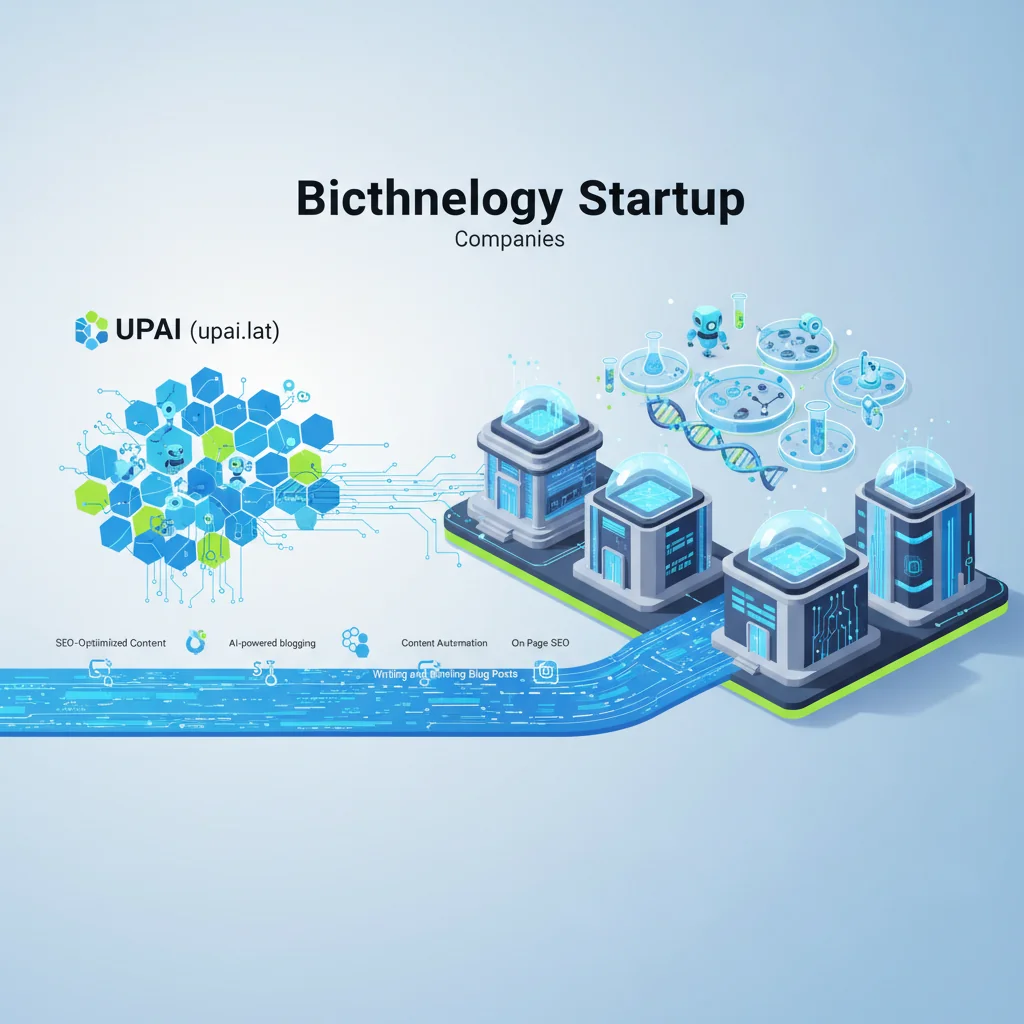
Key Trends Shaping the Biotechnology Startup Landscape
The biotechnology startup landscape is rapidly evolving, driven by several transformative scientific and technological trends that are accelerating discovery, reducing development timelines, and expanding the scope of what is possible in biological engineering. These key trends include advancements in gene editing, the integration of artificial intelligence and machine learning, the rise of personalized medicine, and the sophisticated capabilities of synthetic biology.
CRISPR and Gene Editing Revolution
CRISPR-Cas9 technology has revolutionized gene editing, offering unprecedented precision and efficiency in modifying DNA sequences within living organisms. This breakthrough enables startups to develop novel therapies for genetic diseases, engineer crops with enhanced traits, and create advanced research tools.
Startups are leveraging CRISPR to target specific disease-causing genes, aiming to correct them directly. This holds immense promise for treating conditions like cystic fibrosis, sickle cell anemia, and Huntington's disease. Beyond therapeutics, CRISPR is being applied in agriculture to develop disease-resistant crops and in industrial biotechnology for more efficient production of biofuels and biomaterials. The accessibility and relative ease of use of CRISPR have democratized gene editing, allowing smaller, agile startups to pursue ambitious projects that were previously only feasible for large institutions.
AI and Machine Learning in Drug Discovery and Development
Artificial intelligence (AI) and machine learning (ML) are transforming drug discovery and development by dramatically accelerating the identification of drug candidates, optimizing clinical trial design, and predicting patient responses. These technologies enable startups to analyze vast datasets more efficiently, reducing both time and cost.
AI algorithms can sift through millions of chemical compounds to identify potential drug molecules, predict their interactions with biological targets, and model their efficacy and toxicity. This significantly shortens the early stages of drug development. ML models are also being used to analyze patient data, identify biomarkers, and optimize patient selection for clinical trials, leading to more successful and efficient studies. Startups specializing in AI-driven drug discovery platforms are attracting significant investment due to their potential to bring therapies to market faster and more cost-effectively.
For content marketers covering this space, explaining the complexities of AI in drug discovery requires clarity. Tools like UPAI's Readability Checker can ensure that intricate scientific concepts are presented in an accessible manner, while a Keyword Density tool helps maintain SEO balance for technical terms.
The Rise of Personalized Medicine
Personalized medicine, or precision medicine, tailors medical treatment to the individual characteristics of each patient, including their genetic makeup, lifestyle, and environment. Biotechnology startups are central to this trend, developing diagnostic tools and therapies that are highly specific and effective for individual patients.
This approach moves away from a "one-size-fits-all" model of medicine. Startups are developing advanced genomic sequencing technologies, companion diagnostics that identify which patients will respond best to a particular drug, and cell-based therapies that use a patient's own cells. For example, CAR T-cell therapy, where a patient's T-cells are engineered to fight cancer, is a prime example of personalized medicine that originated from biotech innovation. The growth of personalized medicine is creating a demand for highly specialized biotechnological products and services.
Synthetic Biology and Bio-manufacturing
Synthetic biology involves designing and constructing new biological parts, devices, and systems, or redesigning existing natural biological systems for useful purposes. This field enables startups to engineer organisms to produce high-value chemicals, materials, and even fuels, leading to sustainable bio-manufacturing processes.
Startups in synthetic biology are designing microbes to produce pharmaceuticals, industrial enzymes, sustainable materials like spider silk proteins, and even novel food ingredients more efficiently and environmentally friendly than traditional methods. This area holds immense potential for reducing reliance on petrochemicals and developing a circular economy. The ability to "program" biology opens up vast possibilities for creating entirely new products and manufacturing processes. These companies are often at the intersection of biology, engineering, and computer science, building complex biological systems from the ground up.
Bioinformatics and Big Data Integration
Bioinformatics is the application of computational techniques to manage and analyze large sets of biological data, such as genetic sequences, protein structures, and clinical trial results. Biotechnology startups are increasingly relying on sophisticated bioinformatics platforms to extract meaningful insights from this data, accelerating research and development.
These startups develop software, algorithms, and databases that enable scientists to process and interpret complex biological information. This includes tools for genomic analysis, drug target identification, biomarker discovery, and predictive modeling for disease progression. The integration of big data analytics with biological research allows for more informed decision-making, faster hypothesis testing, and the identification of previously unseen patterns in biological systems. Companies specializing in bioinformatics are critical enablers for almost all other areas of biotechnology, providing the computational backbone for modern biological discovery.
Navigating the Challenges: Funding, Regulation, and Talent Acquisition
Biotechnology startups face a unique set of formidable challenges, primarily revolving around securing substantial funding for long and capital-intensive R&D cycles, navigating complex and evolving regulatory landscapes, and attracting and retaining highly specialized scientific and technical talent. These obstacles often determine the viability and eventual success of a biotech venture, requiring strategic planning and robust execution from their inception.
High Research and Development Costs
Developing a biotechnology product, especially a new drug, demands significant financial investment in research, preclinical studies, and multiple phases of clinical trials. These costs can run into hundreds of millions or even billions of dollars, making fundraising a constant and critical priority.
The expenses include laboratory equipment, specialized reagents, salaries for highly skilled scientists, and outsourcing clinical trial management. Unlike software startups that can often scale with lower initial capital, biotech companies require substantial upfront investment before generating any revenue. The long timelines associated with R&D mean that investors must be prepared for a delayed return on investment, which can make securing early-stage funding particularly challenging. Startups must meticulously plan their R&D budgets and demonstrate clear milestones to attract and retain investor confidence.
Complex Regulatory Hurdles and Approval Processes
Biotechnology products, particularly those in healthcare, are subject to stringent regulatory oversight by agencies such as the FDA (U.S. Food and Drug Administration) or EMA (European Medicines Agency). Navigating these complex approval processes is a major challenge, requiring extensive documentation, rigorous testing, and adherence to evolving guidelines.
The regulatory pathway for a new drug involves preclinical testing, Investigational New Drug (IND) application, three phases of clinical trials, and finally, a New Drug Application (NDA) or Biologics License Application (BLA). Each stage has specific requirements, and failure at any point can lead to significant delays or outright rejection, resulting in substantial financial losses. Startups must invest heavily in regulatory affairs expertise and quality assurance to ensure compliance and increase their chances of approval. This regulatory burden adds significant time, cost, and risk to product development.
When communicating about regulatory milestones, clarity and precision are paramount. Using tools like UPAI's SERP Preview can help ensure that search snippets accurately reflect critical updates, while Headline Analyzer can optimize titles for press releases and official announcements.
Attracting and Retaining Specialized Talent
The biotechnology sector requires a unique blend of highly specialized scientific, technical, and regulatory expertise. Attracting and retaining top talent, including Ph.D. scientists, clinical researchers, bioinformaticians, and regulatory specialists, is a constant challenge for startups, especially in competitive markets.
These professionals are in high demand and often command premium salaries and benefits. Startups must compete not only with other biotech companies but also with large pharmaceutical firms and academic institutions. Beyond compensation, providing a compelling vision, cutting-edge research opportunities, and a strong company culture are essential for attracting and retaining these critical individuals. A shortage of specific skills, such as expertise in gene therapy or AI in biology, can significantly impede a startup's progress. Building a strong scientific advisory board and fostering a collaborative environment are key strategies for talent acquisition.
Intellectual Property Protection
Protecting intellectual property (IP) is fundamental for biotechnology startups, as their innovations are often their most valuable assets. Securing and defending patents, trade secrets, and trademarks is crucial for maintaining a competitive edge and attracting investment.
The process of obtaining patents for biological inventions can be complex and expensive, often requiring international filings. Startups must invest in robust IP strategies from day one, working with specialized legal counsel to ensure their discoveries are adequately protected. Furthermore, they must be prepared to defend their IP against infringement, which can involve costly litigation. A strong IP portfolio not only safeguards their innovations but also enhances their valuation and attractiveness to potential partners or acquirers. Without robust IP, a startup's scientific breakthroughs can be easily replicated, undermining their commercial potential.

How Do Biotechnology Startups Secure Funding and Scale?
Biotechnology startups typically secure funding through a multi-stage process, starting with seed capital from angel investors and grants, progressing through venture capital rounds (Series A, B, C), and often culminating in strategic partnerships with larger pharmaceutical companies or an initial public offering (IPO). Scaling involves not only financial growth but also expanding R&D capabilities, navigating regulatory milestones, and building commercial infrastructure, often requiring significant capital injections at each phase of development.
Early-Stage Funding: Seed, Angel, and Grants
At their earliest stages, biotechnology startups rely on initial capital from a combination of sources to fund foundational research, proof-of-concept studies, and team building. This initial funding is critical for validating scientific hypotheses and developing preliminary data.
- Angel Investors: High-net-worth individuals who provide capital for startups, often in exchange for ownership equity. They frequently have industry experience and can offer valuable mentorship.
- Seed Capital: Small amounts of funding, typically from specialized seed funds or incubators, used to get the company off the ground, cover initial operational costs, and conduct preliminary experiments.
- Government Grants: Non-dilutive funding from agencies like the National Institutes of Health (NIH) or Small Business Innovation Research (SBIR) grants in the U.S. These grants are highly competitive but provide crucial capital without requiring equity.
- Incubators and Accelerators: Programs that provide not only funding but also mentorship, laboratory space, and networking opportunities, helping startups refine their business models and scientific strategies.
These early-stage investments are high-risk but essential for bridging the gap between academic research and commercial development. A compelling scientific vision and a strong founding team are key to attracting this initial capital.
Venture Capital Rounds: Series A, B, and Beyond
As biotechnology startups achieve initial milestones and generate promising data, they transition to larger funding rounds, primarily from venture capital (VC) firms specializing in life sciences. These rounds provide the substantial capital needed for preclinical development, clinical trials, and scaling operations.
Series A Funding: Typically ranges from $5 million to $30 million. This round supports the transition from proof-of-concept to preclinical studies and often involves expanding the scientific team and developing a clear regulatory strategy. VC firms invest based on the scientific merit, potential market size, and strength of the management team.
Series B, C, and Later Rounds: These rounds involve increasingly larger sums, often in the tens to hundreds of millions of dollars, as the company progresses through clinical trials. Each subsequent round aims to fund specific milestones, such as completing Phase 1 or Phase 2 clinical trials, or preparing for commercialization. Valuation increases significantly with each successful milestone, reflecting reduced risk and greater market proximity. These rounds often involve syndicates of VC firms, institutional investors, and sometimes corporate venture arms.
The ability to consistently hit scientific and regulatory milestones is paramount for attracting follow-on investments. Transparent communication about progress and challenges is crucial for maintaining investor confidence.
Strategic Partnerships and Collaborations
Many biotechnology startups form strategic partnerships with larger pharmaceutical companies or established biotech firms. These collaborations can provide not only significant non-dilutive funding but also access to expertise, resources, and distribution networks that are vital for scaling.
Partnerships often involve licensing agreements, co-development deals, or research collaborations where the larger company provides funding and resources in exchange for commercial rights or royalties on future products. These alliances can de-risk a startup's development pipeline, provide validation for their technology, and offer a clear path to market. For example, a small biotech developing a novel drug candidate might partner with a large pharma company for late-stage clinical development and commercialization, leveraging the partner's extensive infrastructure and market reach. These partnerships are increasingly common as a means for both startups to scale and for large companies to replenish their innovation pipelines.
Initial Public Offerings (IPOs) and Acquisitions
For successful biotechnology startups, an Initial Public Offering (IPO) or acquisition by a larger company represents a key exit strategy for early investors and a mechanism for raising substantial capital for commercialization and further pipeline development.
IPOs: Going public allows a biotech company to raise capital from the public market by selling shares. This typically occurs after significant clinical milestones have been achieved and the company demonstrates a clear path to commercialization and profitability. An IPO provides liquidity for early investors and founders, and often enhances the company's profile and ability to attract talent. The biotech IPO market is highly sensitive to overall market conditions and investor sentiment towards the life sciences sector.
Acquisitions: Many biotech startups are acquired by larger pharmaceutical or biotech companies that seek to integrate innovative technologies or promising drug candidates into their own pipelines. Acquisitions can provide a quicker and more certain return for investors compared to an IPO, and often offer the startup's team access to greater resources and a broader platform for their technology. The valuation of an acquired company depends heavily on the stage of its pipeline, its intellectual property, and its market potential.
Both IPOs and acquisitions require meticulous preparation, including robust financial reporting, legal compliance, and a clear commercialization strategy. For content teams, this means having all public-facing materials, from investor decks to website content, optimized for clarity and impact, and tools like UPAI's SEO Checker become essential for ensuring online visibility.
Essential Strategies for Content Marketing and SEO in Biotech
Effective content marketing and SEO are essential for biotechnology startups to build credibility, attract investment, educate stakeholders, and ultimately drive adoption of their complex scientific innovations. These strategies involve translating intricate scientific concepts into accessible, engaging, and search-engine-optimized content that resonates with diverse audiences, from investors and potential partners to scientific communities and the general public. A robust content strategy ensures visibility, establishes thought leadership, and communicates the profound impact of their work.
Translating Complex Science for Diverse Audiences
Biotechnology involves highly technical and often esoteric scientific concepts. A core content marketing challenge is to translate this complexity into clear, concise, and compelling narratives that are understandable and relevant to various target audiences, including investors, collaborators, scientists, and the public.
This requires a skill set that blends scientific accuracy with excellent communication. Content should simplify jargon without oversimplifying the science. Using analogies, infographics, and clear explanations of the "why" and "how" behind the technology can make it accessible. For example, when explaining gene editing, a startup might use a visual analogy of "editing a book's text" to represent modifying DNA. Different content formats serve different audiences: white papers for scientific peers, blog posts for the general public, and investor decks for financial stakeholders. Regularly checking content with a Readability Score tool ensures it meets the comprehension level of its intended audience.
Building Thought Leadership and Trust
Establishing a biotechnology startup as a thought leader in its niche is crucial for building trust, attracting investment, and fostering collaborations. This involves consistently publishing high-quality, insightful content that demonstrates expertise and forward-thinking vision.
Thought leadership content includes scientific articles, expert interviews, opinion pieces on industry trends, and deep dives into specific research areas. By sharing their unique insights and contributions to the field, startups can position themselves as pioneers. This not only attracts scientific talent but also signals to investors that the company is at the cutting edge of innovation. Trust is paramount in biotech, given the long development cycles and high stakes; consistent, authoritative content helps cultivate this trust over time. Leveraging a Headline Analyzer can help craft titles that grab attention and convey expertise effectively.
SEO for Scientific Terms and Industry Keywords
Optimizing content for search engines using relevant scientific terms and industry-specific keywords is critical for biotechnology startups to be discovered by their target audiences, including researchers, clinicians, investors, and potential partners. This requires a deep understanding of how these audiences search for information.
Keyword research for biotech involves identifying long-tail keywords related to specific diseases, therapeutic approaches (e.g., "CRISPR gene therapy for sickle cell"), technological platforms (e.g., "AI drug discovery platforms"), and regulatory processes. Content should be optimized to rank for these terms, ensuring that when someone searches for information on a specific biotech innovation, the startup's content appears prominently. This includes optimizing website pages, blog posts, and scientific publications. Utilizing an SEO Checker can help analyze page performance and identify areas for improvement, while a Keyword Density tool ensures natural integration of terms without over-optimization.
Leveraging AI for Content Creation and Optimization
Artificial intelligence tools are increasingly valuable for biotechnology startups in streamlining content creation, improving SEO, and amplifying their message. AI can assist in generating initial drafts, optimizing for keywords, and analyzing content performance.
AI-powered content platforms can help generate blog posts, social media updates, and even summaries of scientific papers, saving valuable time for scientific teams. These tools can also assist with keyword research, competitive analysis, and identifying content gaps. For instance, AI can analyze trending topics in biotechnology and suggest content ideas that resonate with the target audience. Furthermore, AI can optimize existing content for better search engine rankings by suggesting improvements to structure, readability, and keyword usage. This allows biotech startups to maintain a consistent content output, crucial for sustained visibility and thought leadership. UPAI's suite of tools, from SEO Checker to FAQ Schema generator, exemplifies how AI can empower content teams to create high-ranking, AI-citation-optimized content efficiently.
Comparison of Content Marketing Strategies for Biotech vs. Traditional Tech
Content marketing in biotechnology presents unique challenges and priorities compared to traditional software or consumer tech. The table below highlights key differences in approach.
| Aspect | Biotechnology Startups | Traditional Tech Startups (e.g., SaaS) |
|---|---|---|
| Primary Goal | Build scientific credibility, attract investment, educate scientific/medical community, facilitate partnerships. | Generate leads, acquire customers, build brand awareness, drive product adoption. |
| Content Complexity | High; requires deep scientific accuracy, careful simplification for diverse audiences. | Moderate; focuses on product features, use cases, benefits, often simpler concepts. |
| Target Audience | Scientists, clinicians, investors, regulatory bodies, strategic partners, patients, policymakers. | End-users, businesses (B2B), consumers (B2C), potential employees. |
| Key Content Formats | White papers, peer-reviewed articles, scientific blog posts, investor decks, regulatory updates, expert interviews. | Blog posts, case studies, product demos, webinars, tutorials, social media updates. |
| SEO Focus | Long-tail scientific keywords, disease-specific terms, technical jargon (explained), E-E-A-T for authority. | Product-related keywords, solution-oriented queries, feature comparisons, commercial intent. |
| Sales Cycle | Very long (years to decades), highly dependent on clinical trials and regulatory approval. | Shorter (weeks to months), often driven by free trials, demos, and immediate value proposition. |
This comparison underscores the necessity for a specialized content strategy in biotech that prioritizes scientific rigor, long-term relationship building, and meticulous adherence to regulatory communication guidelines, contrasting sharply with the often faster-paced, more direct conversion-focused strategies of traditional tech.
Common Mistakes Biotechnology Startups Make in Content and SEO
Biotechnology startups frequently make several critical mistakes in their content marketing and SEO efforts that hinder their ability to effectively communicate their innovations, attract funding, and build credibility. These errors often stem from a failure to adapt scientific communication to marketing principles, leading to content that is either too technical, lacks strategic focus, or fails to engage its intended audience. Rectifying these common pitfalls is essential for achieving visibility and impact in a highly competitive and specialized industry.
Overly Technical Language and Jargon
A prevalent mistake is the overuse of highly technical scientific jargon without adequate explanation, making content inaccessible to non-scientific audiences like investors, policymakers, or even potential collaborators outside their immediate specialty. This alienates a significant portion of their target audience.
While scientific accuracy is paramount, content must be tailored to the audience's level of understanding. Assuming everyone comprehends complex biological pathways or intricate molecular mechanisms leads to disengagement. For example, a blog post discussing "CRISPR-Cas9 gene editing" without explaining what CRISPR stands for or how it works will lose many readers. Startups often forget that investors or potential partners may understand the business implications but not the granular science. The solution involves simplifying language, using analogies, and providing clear definitions. Utilizing a Readability tool can objectively assess if content is comprehensible for the target audience.
Neglecting Audience-Centric Content
Many biotech startups focus solely on showcasing their technology's scientific brilliance without considering the specific needs, pain points, or questions of their diverse audiences. Content that is not audience-centric fails to resonate and convert.
Instead of merely describing a new drug's mechanism of action, content should address how it solves a patient's problem, what its clinical benefits are, or how it offers a superior investment opportunity. Investors want to know about market potential and return on investment, not just the intricacies of a protein's folding. Patients and advocacy groups seek information on treatment outcomes, side effects, and accessibility. Failing to tailor messages to these distinct interests means missing opportunities to connect and build rapport. Conducting thorough audience research and developing buyer personas are crucial steps that are often overlooked.
Inconsistent Content Publishing and Promotion
Sporadic or infrequent content publishing, coupled with a lack of strategic promotion, is a common pitfall that prevents biotech startups from building sustained online presence and thought leadership. Inconsistent efforts yield inconsistent results.
To establish authority and maintain SEO rankings, a consistent content calendar is essential. This includes regular blog posts, updates on research milestones, and engagement on relevant social media platforms. Publishing a few articles and then going silent for months undermines any initial SEO gains and makes it difficult to cultivate a loyal audience. Furthermore, creating great content is only half the battle; effective promotion through scientific conferences, industry newsletters, social media, and targeted outreach is necessary to maximize its reach. Without a consistent strategy for both creation and distribution, even high-quality content will struggle to gain traction.
Ignoring SEO Best Practices
Many biotechnology startups, despite their scientific rigor, often overlook fundamental SEO best practices, resulting in their valuable scientific content being invisible to search engines. This means potential investors, partners, and scientific talent cannot easily find their groundbreaking work.
Common SEO errors include:
- Lack of Keyword Research: Not identifying the specific terms and questions their target audience uses in search engines.
- Poor On-Page Optimization: Forgetting to optimize title tags, meta descriptions, headings, and image alt text with relevant keywords. A SERP Preview tool can help visualize how their content appears in search results and optimize for click-through rates.
- Technical SEO Issues: Problems with website speed, mobile responsiveness, or broken links that negatively impact search engine crawling and indexing. An SEO Checker can identify these critical technical issues.
- Absence of Structured Data: Not implementing schema markup, such as FAQ Schema or Organization schema, which helps search engines understand content context and display rich results.
- No Backlink Strategy: Neglecting to build high-quality backlinks from authoritative scientific and industry sources, which are crucial for domain authority.
Ignoring these SEO fundamentals means that even the most innovative scientific discoveries will struggle to gain the online visibility required to attract the necessary support and resources for commercialization.
Conclusion
Biotechnology startup companies are indispensable drivers of innovation, pushing the boundaries of scientific discovery to address critical global challenges in health, agriculture, and environmental sustainability. Their journey, while fraught with the complexities of high R&D costs, stringent regulatory pathways, and fierce competition for specialized talent, is consistently fueled by groundbreaking scientific advancements like gene editing and AI-driven drug discovery. Successful navigation of this landscape hinges not only on scientific prowess and robust funding strategies but also on highly effective communication.
For these pioneering ventures, strategic content marketing and meticulous SEO are not mere optional extras; they are fundamental pillars for building trust, attracting essential investment, educating diverse stakeholders, and ultimately securing market adoption. By translating intricate scientific narratives into accessible, engaging, and search-engine-optimized content, biotech startups can powerfully convey their unique value proposition and ensure their innovations reach the audiences that matter most. Mastering these communication strategies is paramount for transforming scientific breakthroughs into real-world impact and commercial success.
Are you a biotechnology startup looking to amplify your scientific message, attract investors, and educate your target audience with high-ranking, AI-optimized content? UPAI offers a comprehensive suite of AI-powered tools designed to streamline your content creation, enhance your SEO, and ensure your groundbreaking work gets the visibility it deserves. From analyzing your page's SEO score and previewing your SERP appearance to checking readability and optimizing your headlines, UPAI empowers you to create content that stands out. Automate Your Blog with AI and make your scientific story resonate across the digital landscape.
Frequently Asked Questions
What exactly is a biotechnology startup?
What are some common areas biotechnology startups focus on?
How do biotechnology startups typically get funded?
What are the biggest challenges faced by biotechnology startups?
What is the role of intellectual property for biotech startups?
What is the potential impact of biotechnology startups on society?
Related Articles

More free AI tools from the same team
Grow your LinkedIn presence on autopilot. Try LinkedIn automation and AI content for free.
Read the Linkesy blogAsk AI about UPAI
Click your favorite assistant to learn more about us